
NASA Encourages Public to Witness Aug. 12 Total Solar Eclipse
NASA is promoting the upcoming total solar eclipse on August 12, urging the public to watch the celestial event. The moon's shadow will traverse parts of Europe and the Atlantic, offering a spectacular view.

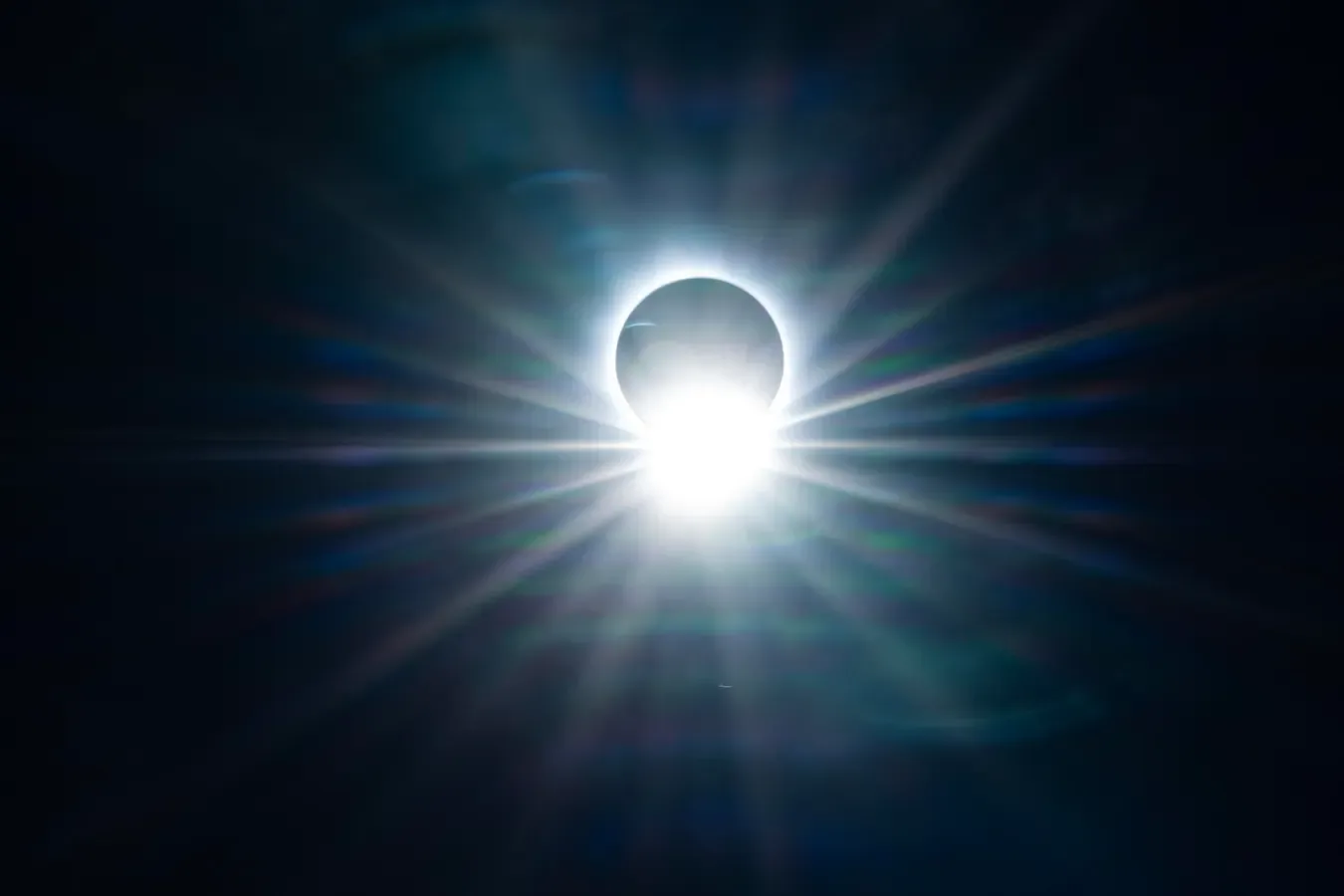
NASA is encouraging the public to witness an extraordinary celestial event: a total solar eclipse scheduled for August 12, 2026. Although the path of totality will primarily cross Europe, including Greenland, Iceland, and Spain, the agency is promoting the spectacle to a global audience. This event follows the highly successful 2024 North American eclipse, aiming to replicate the wonder and engagement experienced by millions.
The upcoming eclipse will offer a maximum duration of totality lasting up to 2 minutes and 18 seconds. The moon’s shadow will begin its sweep over northern Russia and extend across Greenland, Iceland, and the Atlantic Ocean before reaching Spain and a small part of Portugal. This celestial alignment, known as syzygy, creates a breathtaking experience where the sun's corona becomes visible to the naked eye.
Emotional Reactions Highlighted
A new promotional video released by NASA emphasizes the profound emotional impact of totality, featuring firsthand accounts from previous eclipse observers. These testimonials describe feelings of awe, tears, and an overwhelming urge to share the experience. By focusing on these human reactions, NASA aims to connect with the public on an emotional level, highlighting the eclipse as more than just a scientific event but a deeply moving human experience.
"There is no other feeling like it." "I burst into tears." "Instant chills." "Everybody should be watching." These powerful statements underscore the life-changing nature of witnessing a total solar eclipse. NASA's strategy shifts from purely scientific explanations to showcasing the visceral, emotional resonance of the event, making it relatable and compelling for a broader audience.
On August 12, the path of totality will start over Greenland, move through Iceland, and then cross northern Spain. Millions are expected to gather in these locations to witness the event. Even for those outside the direct path, a partial solar eclipse will be visible across a wide area, including parts of the U.S. from Alaska to North Carolina, most of Canada, much of Europe, and northwestern Africa.
NASA will provide live broadcast coverage across multiple platforms, commencing at 1:15 p.m. EDT. Totality is expected to reach Iceland around 1:45 p.m. EDT and Spain at 2:28 p.m. EDT. The broadcast will include live views from the eclipse path, expert commentary from NASA scientists, and opportunities for viewers to submit questions via social media. The European Space Agency (ESA) will also livestream the event from Spain, focusing on the scientific aspects and the sun's importance in space exploration.
While North America will not experience totality on August 12, residents can still observe a partial solar eclipse. The deepest partial views in the U.S. will be in northern Maine (28% obscured), and in Canada, Nunavut will see about 61% obscuration. It is crucial to use certified solar eclipse glasses or viewers when observing any part of the sun, except during the brief moments of totality.
Adding to the excitement, the peak of the Perseid meteor shower will occur just hours after the eclipse, on the night of August 12 into August 13. Under dark skies, observers could witness 60 to 100 meteors per hour, with potential for bright fireballs, making it one of the year's prime stargazing opportunities, provided skies are clear.
Even though the path of totality does not extend to California, San Francisco will host a unique eclipse event at the California Academy of Sciences. This event will combine NASA’s live coverage with a performance by the International Space Orchestra, comprising astronauts and scientists. Attendees can also engage with SETI scientists through talks and Q&A sessions, exploring how eclipses contribute to solar science. Dr. Franck Marchis, Senior Planetary Astronomer at the SETI Institute, emphasized technology's role in making the solar eclipse a shared global experience, connecting viewers worldwide with scientists in real-time.