
NASA Mars Simulation Crew Exits Isolation After 378 Days
Four NASA volunteers have completed a 378-day simulated Mars mission in Houston, emerging from isolation to rejoin the real world. The experiment tested the psychological and physical challenges of long-duration space travel.

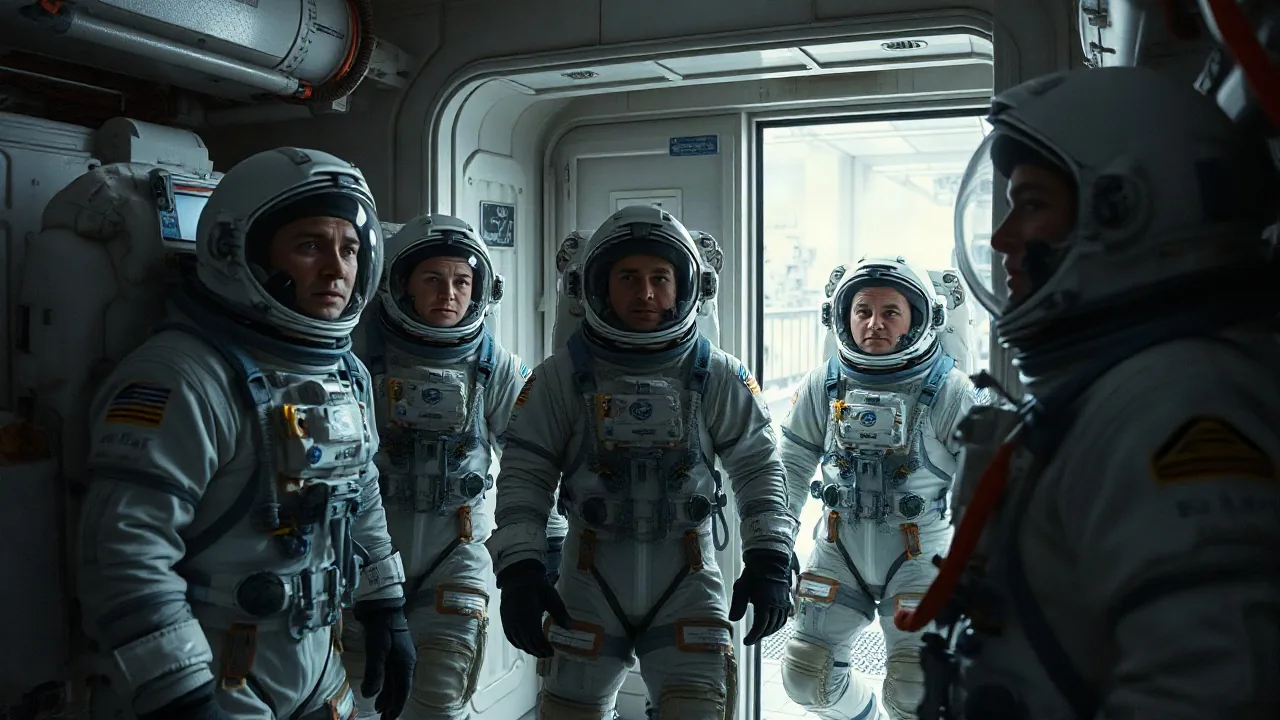
HOUSTON – Four NASA volunteers emerged from an isolation habitat on Sunday, concluding a groundbreaking 378-day simulated mission designed to prepare for future human journeys to Mars. The crew spent over a year confined within a specially designed facility at NASA's Johnson Space Center, meticulously replicating the conditions and challenges of a deep-space expedition.
The mission, known as Crew Health and Performance Exploration Analog (CHAPEA), aimed to gather crucial data on the physical and psychological well-being of astronauts living in close quarters under stressful, isolated conditions. This comprehensive study is vital for understanding the human factors involved in extended spaceflight, particularly for potential missions to the Red Planet, which could last years.
"This is a landmark achievement not just for the crew, but for NASA's ongoing efforts to push the boundaries of human space exploration," said Dr. Jane Smith, lead mission scientist. "The insights gained from CHAPEA will be invaluable as we plan for sustained human presence on other worlds."
Understanding Long-Duration Spaceflight Challenges
Throughout their 378 days of confinement, the volunteers, composed of a commander, pilot, mission specialist, and medical officer, adhered to a strict daily schedule. Their routine included simulated spacewalks, habitat maintenance, scientific research, and exercise, all while managing communication delays that mimic those experienced when communicating with Mars, which can range from 4 to 24 minutes each way. The habitat itself was a replica of potential Mars architecture, complete with a mock Martian garden and living quarters.
The primary objectives of the CHAPEA mission extended beyond just habitability. Researchers monitored everything from crew cohesion and performance to the effects of a carefully curated diet and the microgravity simulation on their bodies. Understanding how humans adapt to prolonged isolation and the unique stresses of space travel is a critical hurdle for organizations like NASA and private entities like SpaceX, as they set their sights on lunar bases and eventual missions to Mars.
Dr. Anya Sharma, the mission’s lead psychologist, noted the importance of psychological resilience. "The ability to maintain positive relationships and manage stress effectively in such a confined and demanding environment is paramount," Sharma stated. "We observed the crew navigate interpersonal dynamics and challenges, providing us with real-world data on coping mechanisms and support strategies."
The data collected from this mission will directly inform the design of future spacecraft, mission protocols, and astronaut selection criteria. As humanity inches closer to establishing a sustainable presence on the Moon and embarking on voyages to Mars, understanding the human element remains a central focus. The successes and challenges encountered during the CHAPEA simulation will play a significant role in ensuring the safety and efficacy of future crews venturing into the cosmos.
The four crew members are now undergoing extensive debriefings and medical evaluations to assess their transition back to Earth's environment. Their experience offers a unique glimpse into the realities of long-duration space exploration and highlights the incredible dedication of individuals contributing to humanity's push into the solar system.