
Northern Lights Possible Tonight for 17 US States
Residents in 17 U.S. states have a rare, high chance of witnessing the aurora borealis tonight, June 5, 2026. NOAA forecasts mild auroral activity, with the best viewing conditions expected in northern regions.

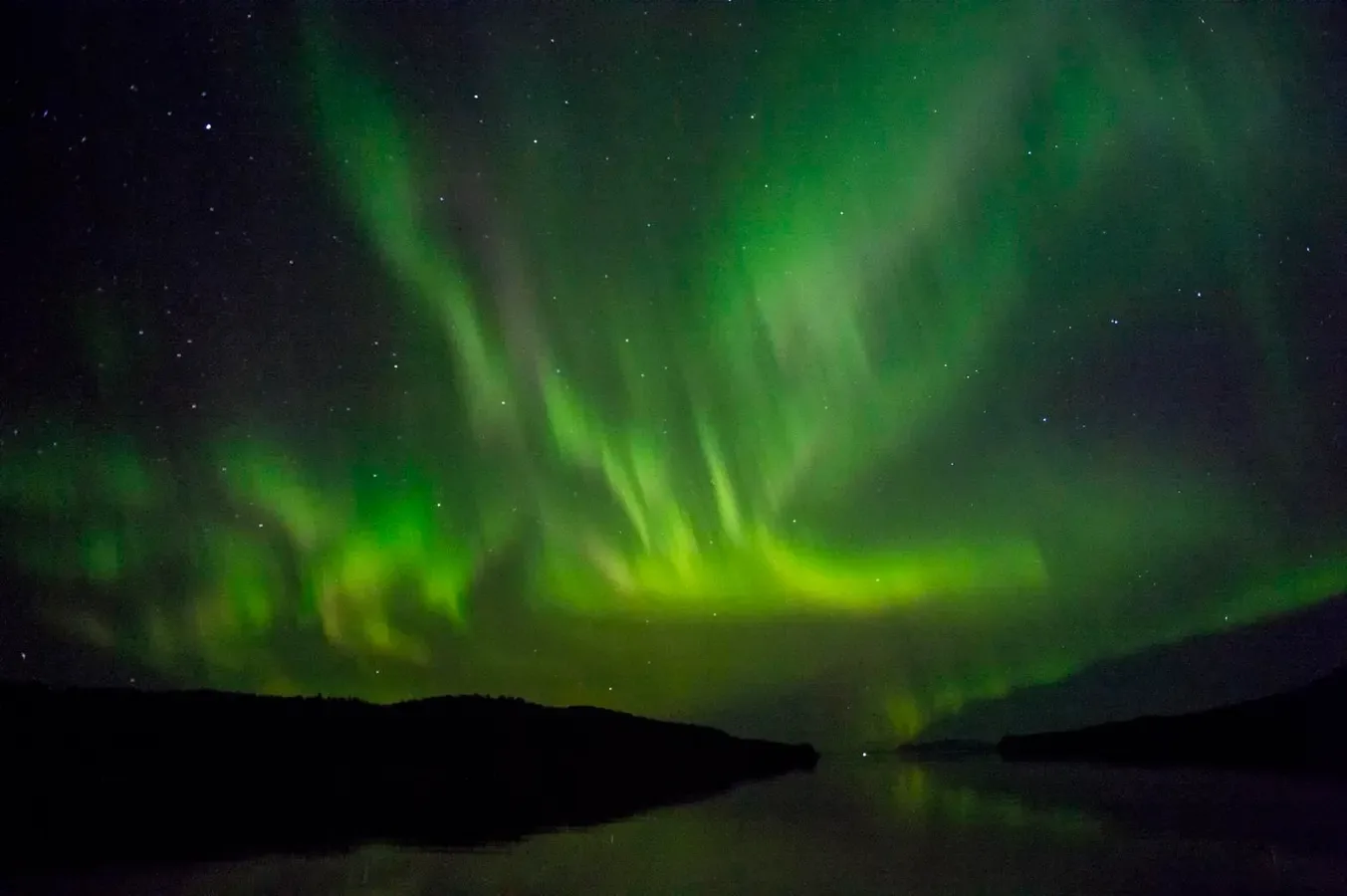
Residents across 17 U.S. states may have a rare opportunity to witness the aurora borealis tonight, June 5, 2026. The National Oceanic and Atmospheric Administration (NOAA) has forecast a higher-than-usual chance of seeing the northern lights, with mild auroral activity predicted along the northern U.S. border.
The forecast suggests visibility in much of Washington state, the northeastern tip of Oregon, northern Idaho, Montana, northern Wyoming, North Dakota, South Dakota, northern Nebraska, Minnesota, northern Iowa, Wisconsin, northern Michigan, northern New York state, far northern Vermont, far northern New Hampshire, and northern Maine. Much of Alaska also has a very favorable outlook.
For all states within the forecast area, the likelihood of observing the northern lights increases significantly the further north observers are located. In addition to much of Alaska, viewers in northern Minnesota, northern North Dakota, and far northeastern Montana have a “high” chance of seeing the northern lights tonight. This designation is considered rare for the contiguous United States.
Tips for Aurora Viewing
To maximize the chances of seeing the aurora borealis, experts recommend seeking locations with minimal light pollution. The peak hours for aurora activity are typically between 10 p.m. and 2 a.m. local time. For those hoping to capture photographs, the use of tripods, night mode settings on cameras, wide-angle lenses, and low aperture settings can significantly improve image quality. It is advisable to avoid using the camera's flash, as it can detract from the natural glow of the aurora.
The heightened auroral activity observed over the past few years is linked to the sun's activity cycle. The sun reached the peak of its 11-year solar cycle approximately two years ago, which subsequently led to increased geomagnetic storms and more frequent aurora displays visible at lower latitudes. While the solar cycle peaked in 2024, bringing a 500-year high in activity, the northern lights have remained notably active along the northern U.S. border. However, forecasts indicate that this enhanced activity is expected to diminish as time passes from the height of the solar cycle. The year 2026 is anticipated to be the final year of significant northern lights visibility before a prolonged period of reduced displays.
NOAA’s Space Weather Prediction Center monitors solar activity and issues forecasts for geomagnetic storms that can cause the aurora. While the current forecast indicates a good chance for viewing, aurora displays are dynamic and can change rapidly based on solar wind conditions. Stargazers are encouraged to check the latest forecasts closer to the viewing time for the most up-to-date information on the aurora borealis.