
Orionid Meteor Shower 2026: Regional Cloud Cover Outlook
Skywatchers can anticipate the annual Orionid meteor shower peaking in late October 2026. Regional forecasts predict varying cloud cover, potentially impacting viewing conditions across the United States.

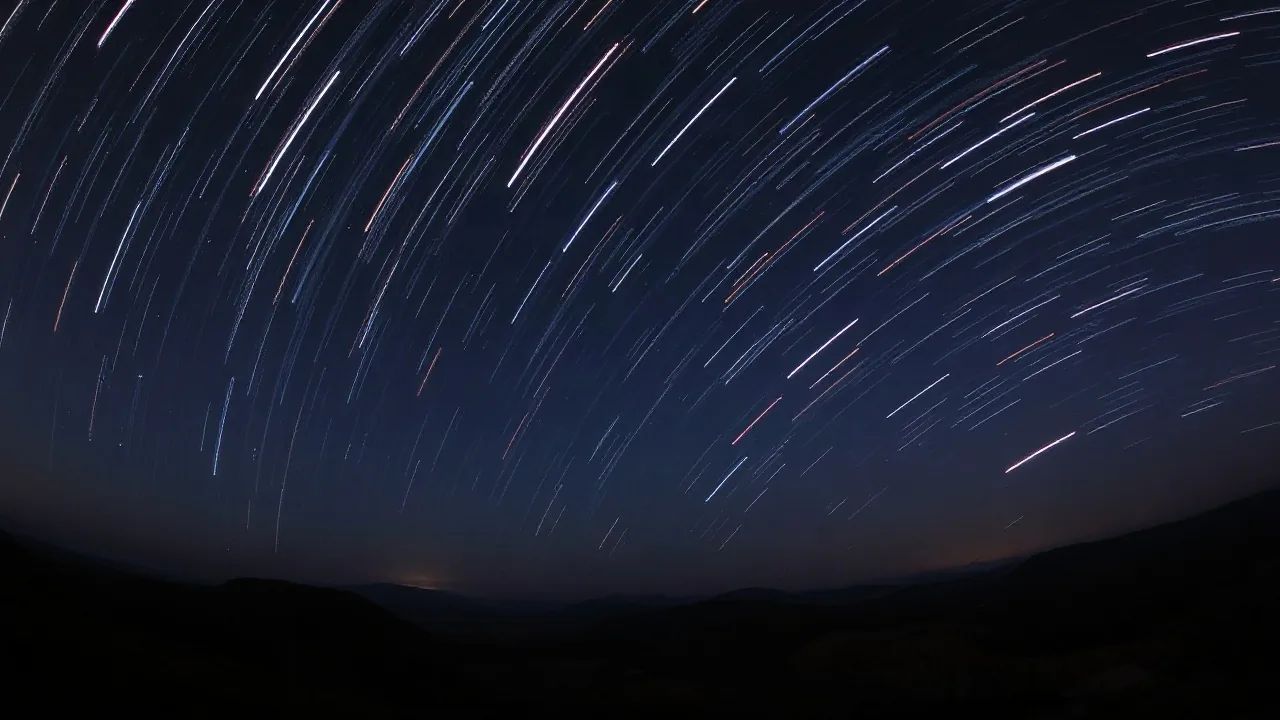
The annual Orionid meteor shower, a celestial event originating from debris left by Halley's Comet, is set to reach its peak in late October 2026. Skywatchers across the United States are advised to check regional weather forecasts, as cloud cover is expected to vary significantly, potentially hindering optimal viewing conditions in some areas.
The shower typically produces around 20 to 30 meteors per hour under ideal, dark sky conditions. The optimal viewing window for the 2026 Orionids is expected to be in the early morning hours of October 22nd and 23rd. However, the presence of the moon, while not at its fullest, could still cast a slight glare, making darker locations away from city lights preferable for the best experience.
Regional Viewing Conditions
Forecasting cloud cover for widespread viewing is a dynamic challenge, but initial outlooks suggest a mixed bag for stargazers. The Northeast may face persistent cloudiness, particularly on the eastern seaboard, potentially obscuring the view. Moving westward, the Midwest could see clearer skies, offering a better chance for observation, especially in states with lower light pollution. The Southwest is predicted to have favorable conditions with predominantly clear skies, making it a prime location for meteor enthusiasts. However, coastal regions in California might experience some marine layer fog, particularly in the early morning hours.
The Orionids are famous for their speed, with meteors entering Earth's atmosphere at approximately 148,000 miles per hour (238,000 kilometers per hour). This rapid entry often results in bright, fleeting streaks of light. Unlike some other meteor showers, the Orionids are active for an extended period, typically from early October through early November, with the peak activity occurring in late October. This prolonged activity window means that even if skies are unfavorable on the peak nights, there are still opportunities to catch some of these fast-moving meteors.
To maximize the chances of seeing the Orionids, experts recommend finding a location far from urban light pollution, allowing your eyes to adjust to the darkness for at least 20 minutes. No special equipment is needed, as the meteors are visible to the naked eye. Simply lie back, look up, and be patient. The shower is known for producing fireballs, which are exceptionally bright meteors, adding to the spectacle.
The debris trails left by Halley's Comet have been entering Earth's orbit for centuries. As Earth passes through this stream of cosmic dust and ice, particles burn up in our atmosphere, creating the dazzling display of the Orionid meteor shower. This recurring event serves as a yearly reminder of our planet's journey through the solar system and its connection to the vastness of space.