
Perseid Meteor Shower: Improved Skies Offer Better Viewing
Skywatchers still have a chance to catch the Perseid meteor shower. Improved weather forecasts for Thursday and Friday nights promise clearer skies for optimal viewing of the celestial event.

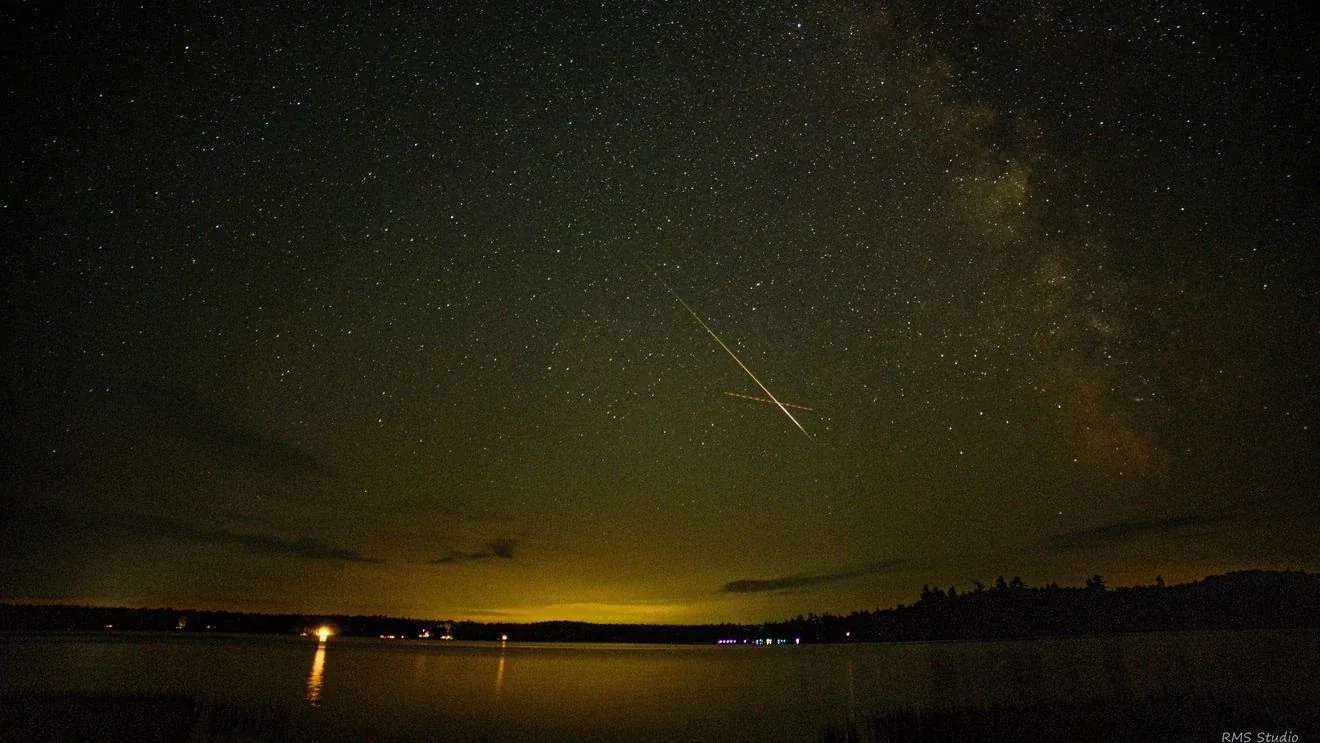
The annual Perseid meteor shower, while past its technical peak on August 13th, continues to offer spectacular displays. Skygazers can still witness numerous shooting stars over the next few nights, with significantly improved viewing conditions anticipated for Thursday and Friday evenings. This year's forecast offers a welcome reprieve from the cloud cover that impacted the initial peak of the event.
The Perseids occur each year between July 14 and September 1, as Earth passes through the debris trail left by Comet 109P/Swift-Tuttle. These tiny particles, upon entering Earth's atmosphere, burn up and create the brilliant streaks of light commonly known as shooting stars. For those hoping to catch a glimpse, looking towards the northeastern sky, where the meteors appear to radiate from the constellation Perseus, is recommended. The constellation Perseus becomes visible after 10:00 PM.
Maximizing Your Meteor Shower Experience
To best observe the Perseids, experts advise finding a location far from city lights, as light pollution significantly diminishes visibility. A dark, rural setting is ideal for allowing your eyes to fully adjust to the darkness, which can take up to 45 minutes. Lying on your back on the ground is suggested to allow for a wider field of vision, increasing the chances of spotting multiple meteors.
The origin of the Perseid meteor shower is intrinsically linked to Comet 109P/Swift-Tuttle. This comet's icy debris ignites our atmosphere, creating the dazzling light show. Notably, the "Swift" component of the comet's name has a historical connection to Central New York. Lewis Swift, an astronomer based in Marathon, New York, first visually identified the comet on July 16, 1862, using an 11-centimeter refractor telescope.
Even though the peak viewing has passed, the celestial event is far from over. The extended period during which Earth traverses the comet's dust trail means that sporadic meteors can still be seen. Amateur astronomers and casual observers alike can still benefit from the clearer skies predicted for the coming nights. The upcoming viewing opportunities provide a renewed chance to experience one of the year's most anticipated astronomical events, making it worthwhile to seek out dark skies.