
Saturn Rings Visible: Closest Approach to Earth in 2026
Skywatchers have a prime opportunity to see Saturn at its brightest this year. The ringed planet will make its closest approach to Earth in 2026, offering spectacular views.

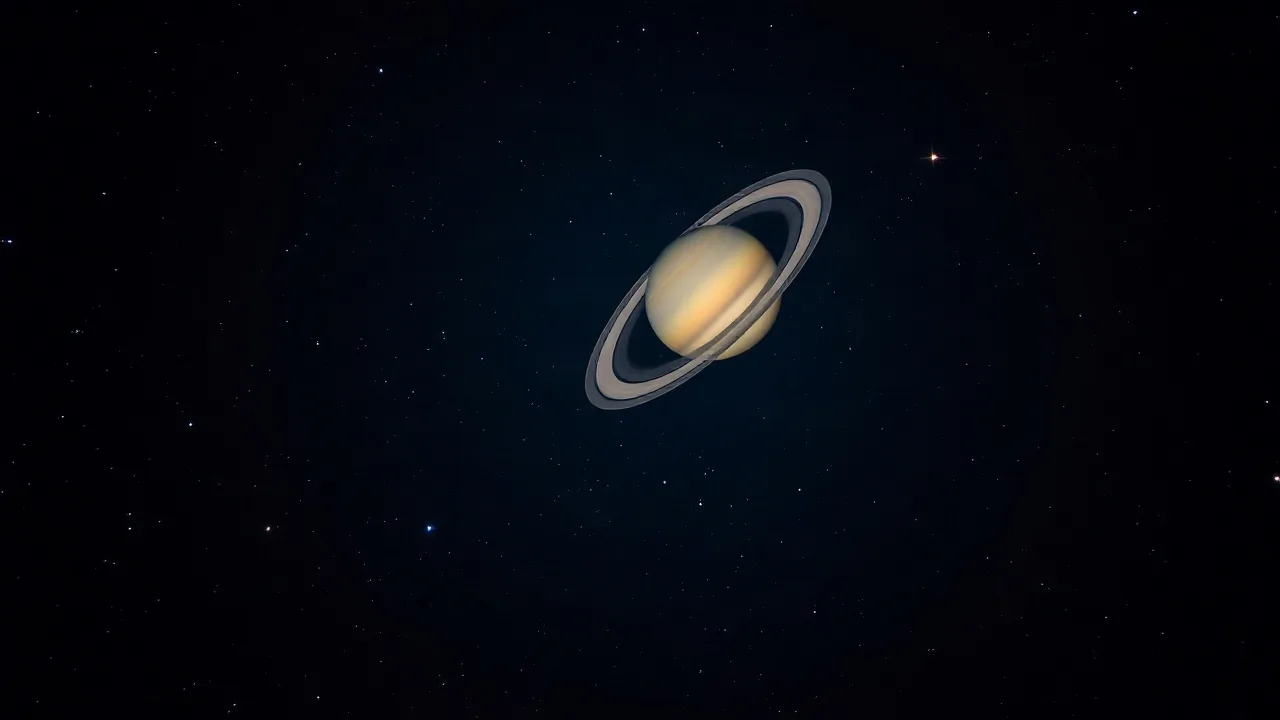
Stargazers will have an exceptional chance to witness the ringed planet Saturn in 2026 as it reaches its closest point to Earth for the year. This celestial event, known as opposition, occurs when Earth passes directly between the Sun and Saturn, making the planet appear brighter and larger in our night sky. For optimal viewing, experts recommend observing on the night of October 3rd to 4th, when Saturn is expected to be at its most luminous.
During opposition, Saturn not only shines brightly but also presents its magnificent rings in full glory. While telescopes are typically needed to discern the intricate details of Saturn's rings, even a small backyard telescope can provide a stunning view of this astronomical marvel. binoculars may offer a glimpse of the planet’s disk, but the iconic rings will likely remain elusive without magnification. Saturn’s largest moon, Titan, may also be visible as a tiny point of light alongside the planet.
Maximizing Your Saturn Viewing Experience
To make the most of this year's Saturn opposition, several factors can enhance the viewing experience. Firstly, finding a location with minimal light pollution is crucial. Urban skies often obscure fainter celestial objects, so venturing into a rural area or a designated dark sky park will significantly improve visibility. Secondly, allowing your eyes to adjust to the darkness for at least 20 minutes before observing can make a substantial difference in perceiving subtle details.
The timing of the observation is also key. While Saturn will be closest on October 3rd and 4th, it will remain a prominent celestial object throughout much of October. The Hunter's Moon, the first full moon of autumn, will also grace the skies later in the month, offering another significant event for observers. Additionally, the debris trails from Halley's Comet will be visible as the Orionid meteor shower peaks in late October, providing a double feature for skywatchers.
This annual event is a significant opportunity for both amateur astronomers and casual observers to connect with the cosmos. Saturn's opposition has captivated humanity for centuries, inspiring art, mythology, and scientific inquiry. Understanding the mechanics of planetary orbits and the vastness of space becomes more tangible when witnessing such spectacular alignments firsthand. The 2026 opposition provides a perfect moment to reflect on our place within the solar system and the ongoing exploration of planets beyond our own.
For those without access to telescopes, planetary viewing apps and online resources can provide detailed information about Saturn's position in the sky, as well as live-streamed views from professional observatories. Many astronomy clubs also host public viewing events during significant celestial occurrences like Saturn's opposition. These events offer a chance to use powerful equipment and learn from experienced astronomers, making the experience accessible to everyone.