
Solar Eclipse Offers Rare Chance to View Daytime Meteor Shower
An upcoming total solar eclipse on August 12, 2026, presents a unique opportunity to observe a daytime meteor shower, a phenomenon rarely seen.

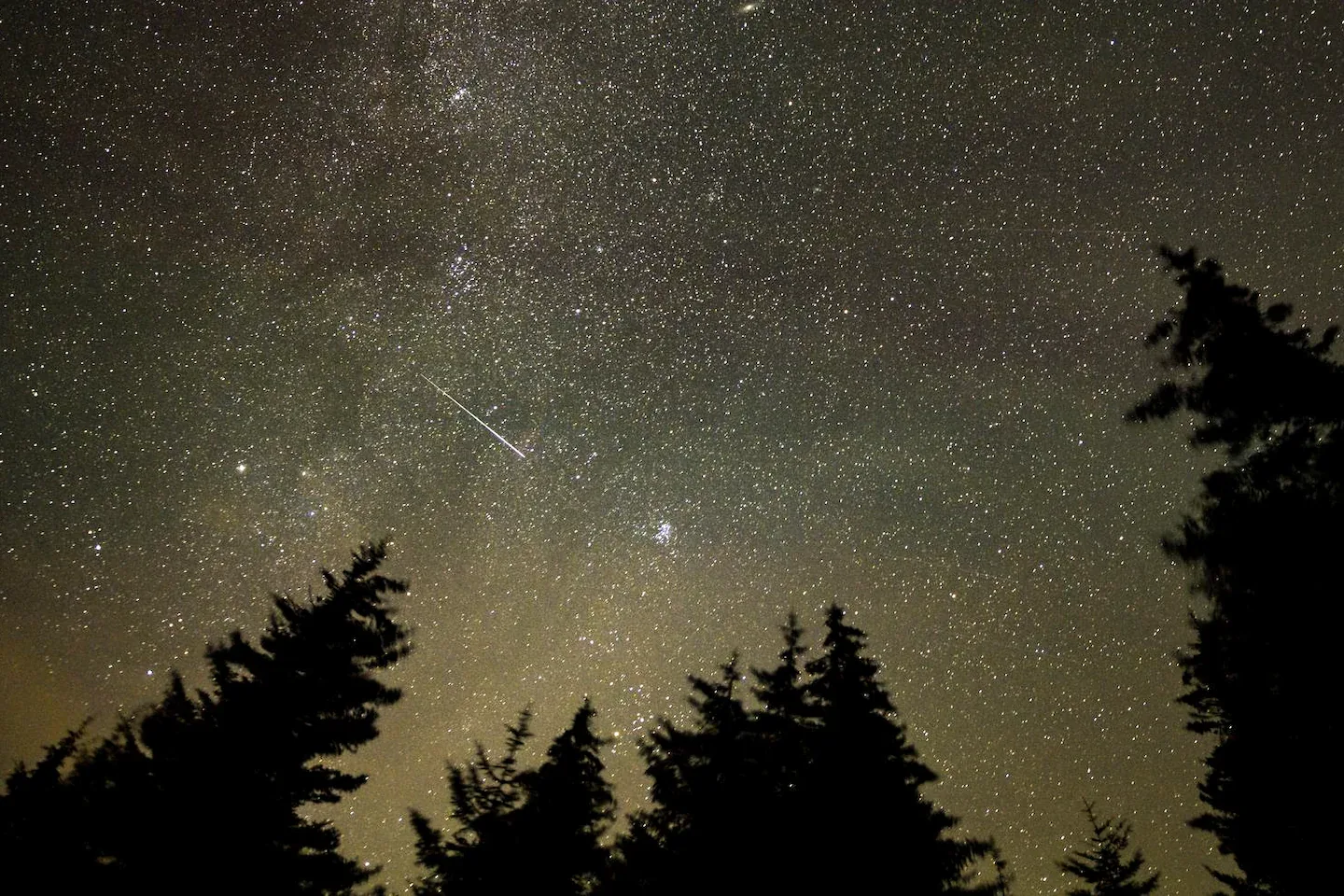
On August 12, 2026, skywatchers in a narrow band across eastern Greenland, western Iceland, and Spain will witness a total solar eclipse, a spectacle that could also offer an unprecedented view of a daytime meteor shower. The rare celestial alignment will allow the sun’s corona, its ethereal outer atmosphere, to become visible as it fans out into space. This event provides a fleeting window to observe meteors, typically seen at night, against the temporarily darkened daytime sky.
The upcoming Perseid meteor shower is expected to peak on the same day as the eclipse, creating an unusual confluence of astronomical events. While the Perseids are famous for their brilliance in August nights, their visibility during daylight hours has historically been challenging due to the sun’s overwhelming brightness. However, the moon’s temporary obstruction of the sun during totality, which will last for up to two minutes in some locations, could make fainter meteors detectable.
A Celestial Encore
This phenomenon hinges on the principle that the daytime sky is bright because of sunlight scattering off atmospheric particles. During a total solar eclipse, this direct sunlight is blocked, and the sky darkens significantly, mimicking twilight conditions. This temporary dimming is crucial for observing objects that would otherwise be washed out by daylight, such as stars and, potentially, meteors.
Dr. Anya Sharma, an astrophysicist at the European Space Agency, commented on the potential: "While we typically associate meteor showers with the darkness of night, the conditions during a total solar eclipse are exceptionally favorable. The reduction in ambient light could reveal meteors that are usually too faint to see during the day." She added, "This is a unique chance for citizen scientists and astronomers alike to gather new data on meteor activity under these specific circumstances."
The Perseid meteor shower is produced by debris left behind by Comet Swift-Tuttle. As Earth passes through this stream of cosmic dust and ice each year, these particles burn up in our atmosphere, creating streaks of light. The shower is known for its reliable display of bright meteors, often accompanied by fireballs. The eclipse path, stretching approximately 180 miles wide, will cross over land in three distinct regions, offering viewers in these areas the best vantage points.
Observing meteors during the day is not entirely unprecedented, but it is exceptionally rare and typically requires very bright fireballs. The combination of a peak meteor shower activity and the deep shadow cast by a total solar eclipse makes this August 12 event particularly noteworthy. It offers a scientific opportunity to study meteoroid sizes and compositions by observing their visibility under these unique lighting conditions. Researchers are hopeful that this event will provide insights into the fainter meteoroid populations that contribute to Earth's atmospheric influx.
The last total solar eclipse visible from parts of Europe occurred in 2015, and the next one is not anticipated until 2026 for this specific path. The overlap with the peak of a well-known meteor shower adds another layer of excitement for astronomy enthusiasts and the general public. Planning for this event has been underway for years, with astronomers setting up specialized equipment to capture data during the brief period of totality.