
Space Launch Market Faces Deepening Crisis as SpaceX Cuts Capacity
Industry analysts warn of a significant contraction in available rocket launches, with SpaceX, a key provider, reducing capacity and prioritizing other ventures. This poses a growing challenge for satellite deployment and space missions.

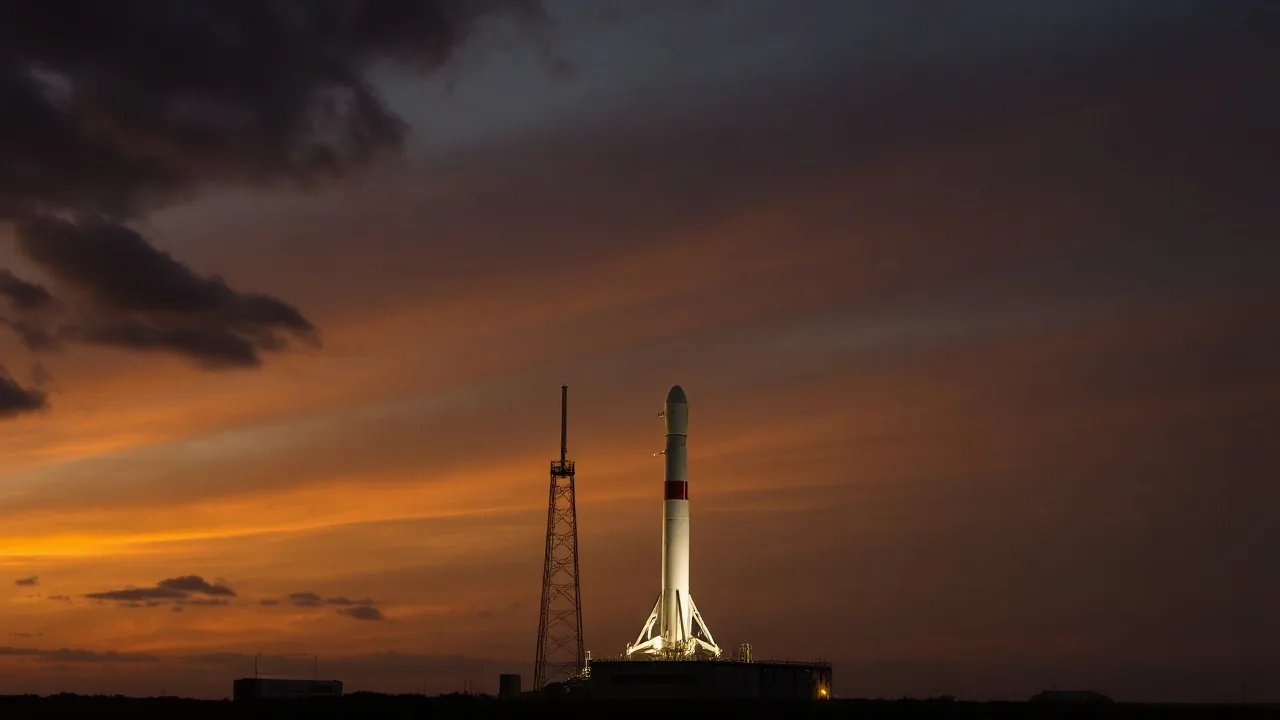
A critical shortage of rocket launch capacity is deepening, posing a significant threat to the burgeoning satellite industry and various space missions, according to recent analyses. SpaceX, a dominant player in the launch market, is reportedly turning away customers for its workhorse rocket, the Falcon 9, which carried the majority of orbital missions in 2025. This contraction in services is prompting some customers to pay premium prices for limited available slots.
The situation has led industry observers to label the looming launch crisis as "more severe" than previously anticipated. The implications extend beyond commercial satellite operators; government agencies, including NASA, are also feeling the pinch. Reports indicate that SpaceX's strategic shift toward prioritizing artificial intelligence (AI) compute infrastructure is diverting resources and attention away from its traditional launch services, impacting NASA's plans for lunar missions, such as the Artemis program.
Satellite Demand Outstrips Launch Availability
The reliance on satellites for a vast array of services, from global communication and navigation to weather forecasting and Earth observation, underscores the gravity of this launch deficit. As the number of planned satellite constellations and individual missions continues to grow, the shrinking availability of launch vehicles creates a bottleneck. The space industry is now actively contemplating various options to navigate this contracting launch market.
This space launch crunch is not a new phenomenon, but recent developments have exacerbated the problem. For years, the increasing demand for satellite deployment, driven by companies like Starlink and OneWeb, alongside governmental and scientific missions, has put pressure on existing launch capabilities. While new players have entered the market, and some have achieved success, they have not yet been able to fully compensate for the capacity constraints, particularly from a major provider like SpaceX.
The strategic pivot by SpaceX, a company known for its innovation and market influence, highlights evolving priorities within the industry. The immense potential of AI, especially in areas like machine learning and large-scale data processing, is compelling significant investment and resource allocation. For SpaceX, this appears to mean dedicating more of its engineering talent and operational capacity to building out its AI infrastructure rather than focusing solely on increasing rocket production or launch cadence for its existing vehicles.
This shift presents a complex challenge for entities that depend on reliable and frequent access to space. The cost of launches is likely to increase due to the constrained supply, and mission timelines may face significant delays. The need for alternative launch providers and perhaps even the development of new launch vehicles capable of meeting the demand is becoming increasingly urgent. The space industry must adapt quickly to ensure the continued growth and operation of its vital satellite-based services.
Industry analysts are urging stakeholders to explore all available avenues, including fostering greater collaboration among launch providers and potentially investing in next-generation launch systems. The current market dynamics underscore the need for a robust and diverse launch ecosystem to support the ever-expanding utilization of space. Without adequate launch capacity, the full potential of the satellite revolution could be significantly hampered, impacting everything from daily communication to critical scientific research.