
SpaceX Crew-13 Achieves Fastest ISS Docking in U.S. History
SpaceX's Crew-13 mission to the International Space Station (ISS) set a new speed record, docking less than 8 hours after launch. This marks the fastest American crewed flight to the orbiting laboratory.

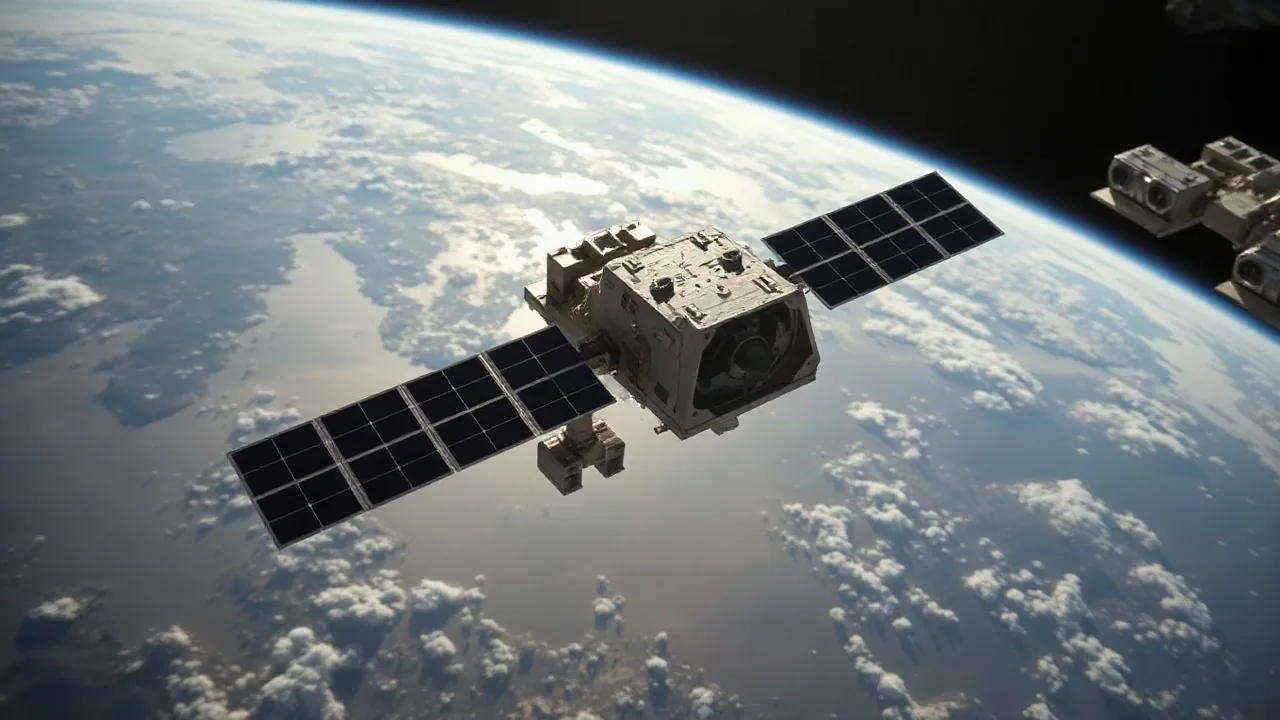
SpaceX's Crew-13 mission has etched its name in the annals of spaceflight, successfully docking with the International Space Station (ISS) a mere 7 hours and 57 minutes after its launch on October 2, 2026. This rapid rendezvous shattered previous records for American crewed flights to the orbiting laboratory, underscoring the increasing efficiency and speed of commercial space endeavors. The four astronauts aboard the Dragon spacecraft, including veteran commander Michael Fossum, arrived at the ISS ahead of schedule, greeted by the station's current Expedition 69 crew.
The successful mission highlights the ongoing collaboration between NASA and private space companies like SpaceX. This latest flight, dubbed 'USCV-13', is part of NASA's Commercial Crew Program, which aims to ensure reliable and cost-effective access to the ISS. The program has been instrumental in restoring U.S. human launch capability following the retirement of the Space Shuttle fleet in 2011.
A New Benchmark in Orbital Transit
The speed achieved by the Crew-13 mission is a significant technological feat. Previous U.S. crewed missions to the ISS, while efficient, typically required a transit time of around 24 hours. This reduction to under eight hours represents a substantial leap forward, potentially allowing for more flexible mission planning and quicker crew rotations. The precise trajectory and propulsion capabilities of the Falcon 9 rocket and Dragon capsule were critical to achieving this milestone. According to SpaceX mission control, the flight path was optimized for minimal travel time without compromising crew safety or comfort.
"This is a testament to the incredible engineering and dedication of the teams at both NASA and SpaceX," stated flight director Sarah Jones during post-docking debriefings. "To achieve such a swift and smooth arrival at the ISS demonstrates the maturity of this launch system and its readiness for more demanding operational tempos." The 'Lucky' zero-g indicator, a small plush toy that floats freely in the cabin to signify weightlessness, was observed to be in its designated position shortly after reaching orbit, a symbolic marker of the astronauts' successful transition into microgravity.
The astronauts aboard Crew-13 will now spend approximately six months aboard the ISS, conducting a variety of scientific experiments and research. Their mission includes work on areas such as human physiology in space, materials science, and Earth observation. This extended stay is crucial for gathering data that can inform future long-duration space missions, including potential journeys to the Moon and Mars. The efficiency of their arrival means they can begin their research activities sooner, maximizing their time on the orbiting platform.
The speed record set by SpaceX's Crew-13 is more than just a statistic; it represents the evolving landscape of space exploration. As commercial providers continue to innovate, the cost and complexity of reaching orbit are being steadily reduced. This opens up opportunities for more frequent scientific missions, increased international cooperation, and potentially even future space tourism. NASA's reliance on these partnerships for ISS operations is a key strategy for maintaining a continuous human presence in low Earth orbit and preparing for the challenges of deep space exploration.