
SpaceX Deploys 27 Starlink Satellites from California
SpaceX successfully launched 27 Starlink internet satellites from Vandenberg Space Force Base in California early Wednesday morning. The mission marks another step in expanding the company's global broadband network.

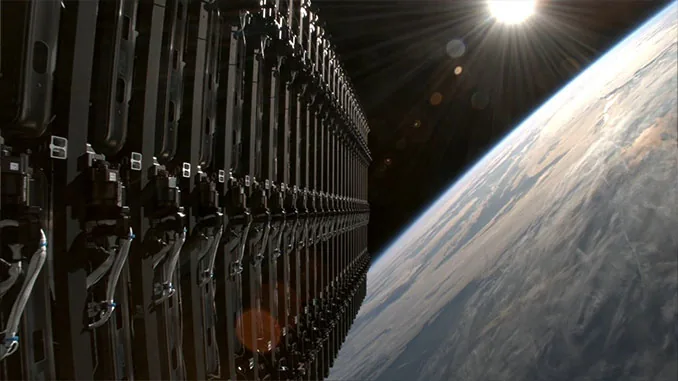
SpaceX sent 27 more Starlink satellites into orbit early Wednesday, launching from Vandenberg Space Force Base in California. The mission, designated Starlink 15-22, lifted off at 2:35 a.m. PDT (5:35 a.m. EDT) and adds to the company's rapidly growing low Earth orbit constellation aimed at providing global internet access.
The Falcon 9 rocket carrying the satellites successfully deployed its payload before its first stage booster, tail number B1082, returned to Earth. Approximately 8.5 minutes after liftoff, the booster made a pinpoint landing on the autonomous drone ship "Of Course I Still Love You" positioned in the Pacific Ocean. This landing marked the 221st successful recovery for the drone ship and the 655th overall for a Falcon booster, underscoring SpaceX's consistent success in reusable rocket technology.
Expanding Global Connectivity
This launch is part of SpaceX's ongoing effort to build the largest satellite constellation in history. The company has already sent over 2,000 Starlink satellites into orbit this year alone. The deployment of these 27 satellites aims to further enhance and expand internet connectivity to underserved and remote areas across the globe. This expansion is critical for bridging the digital divide and providing reliable internet services to millions.
The Falcon 9 booster, B1082, involved in this mission has a notable flight history. This was its 24th launch, having previously supported missions such as NROL-145, USSF-62, and the OneWeb Launch 20, in addition to numerous Starlink deployments. This extensive reuse capability is a cornerstone of SpaceX's strategy to reduce launch costs and increase flight cadence.
The Starlink 15-22 mission follows closely on the heels of another SpaceX launch from Florida just the day prior, which deployed the Starlink 10-49 mission from Cape Canaveral Space Force Station. In light of this, SpaceX Vice President of Launch, Kiko Dontchev, indicated a strategic shift towards its next-generation Starship vehicle for future orbital launches from Florida. He expressed pride in the team's accomplishments, stating on social media, "Super proud of this incredible team. You’ve made Falcon 9 the most reliable launch vehicle in history. You also helped build the largest low-Earth orbit satellite constellation providing connectivity to millions around the world, and you’ve set the foundation for what’s next." Dontchev also noted that "In the last seven years, Falcon has flown ~260 Starlink missions from the Cape… can’t wait until we launch that and many more with Starship!" This pivot signals SpaceX's commitment to advancing its launch capabilities and moving towards heavier lift capacity with Starship.