
SpaceX Starship Rocket Prepares for Most Ambitious Orbital Test
SpaceX is gearing up for the most challenging test of its Starship rocket, aiming for a full orbital flight. This mission represents a critical step in developing the company's ambitious space exploration goals.

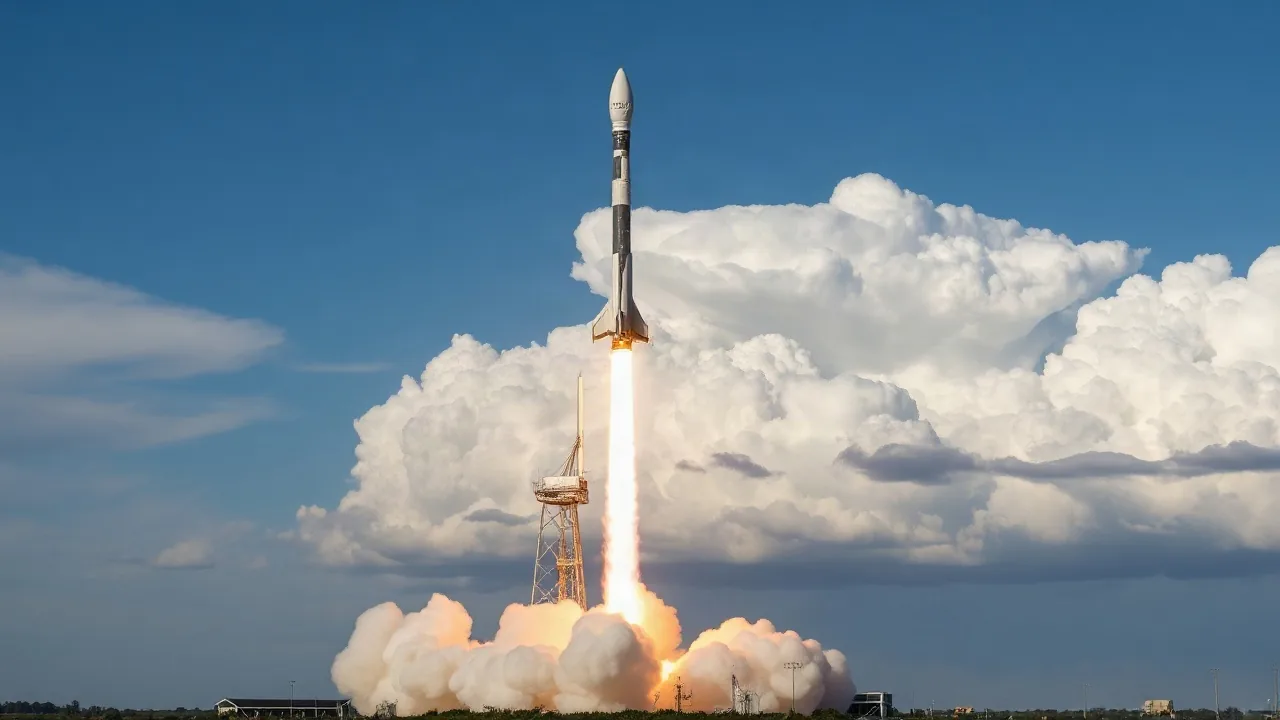
SpaceX is poised to conduct the most significant and daring test flight of its Starship vehicle to date. The company plans to launch its fully integrated, massive rocket system on a trajectory intended to achieve orbit for the first time. This upcoming mission is a crucial milestone in the development of a spacecraft designed for lunar missions, interplanetary travel, and eventual colonization of Mars.
The Starship program, headquartered at SpaceX's Starbase facility in Boca Chica, Texas, has undergone rapid iterative development. Previous tests have included atmospheric flight tests and orbital insertion attempts, with each iteration providing valuable data. However, this next flight aims for a complete orbital journey, marking a substantial escalation in the program's complexity and risk.
Navigating the Risks of Orbital Flight
Achieving orbit requires a precise combination of speed and trajectory, pushing the capabilities of the 394-foot-tall Starship vehicle, which comprises the Super Heavy booster and the Starship upper stage. The test is expected to involve multiple critical phases, including ascent, stage separation, orbital insertion, and controlled re-entry. SpaceX founder and CEO Elon Musk has consistently emphasized the rapid development cycle, accepting failures as learning opportunities. This philosophy, while accelerating progress, also underscores the inherent risks associated with such cutting-edge aerospace engineering.
Previous attempts have yielded valuable insights. The fifth flight test, for instance, saw the Super Heavy booster achieve a successful soft splashdown in the Gulf of Mexico, while the Starship upper stage completed its boost phase and successfully navigated ascent. These partial successes highlight the incremental progress SpaceX is making. The company continues to refine its hardware and operational procedures based on the outcomes of each launch, aiming to mitigate risks for future missions.
The stakes for this particular test are exceptionally high. A successful orbital flight would validate many of the core technologies and designs central to SpaceX's long-term vision. It would pave the way for upcoming objectives, including the delivery of the first human crew to the Moon as part of NASA's Artemis program and the eventual transport of cargo and astronauts to Mars. The sheer scale of Starship, its reusability potential, and its ambitious mission profile set it apart from any previous launch system.
The development of Starship is a complex undertaking, involving thousands of engineers and technicians. The vehicle's innovative stainless-steel construction, powerful Raptor engines, and ambitious goals represent a significant leap in rocket technology. The success of this orbital test is not just a win for SpaceX but a potential turning point for humanity's ability to explore and settle beyond Earth.