
SpaceX Stock and Aerospace Growth in 2026
SpaceX remains a pivotal player in the aerospace sector as investors weigh the company's commercial and government contracts against competitive pressures. Mid-2026 marks a critical juncture for space industry valuations.

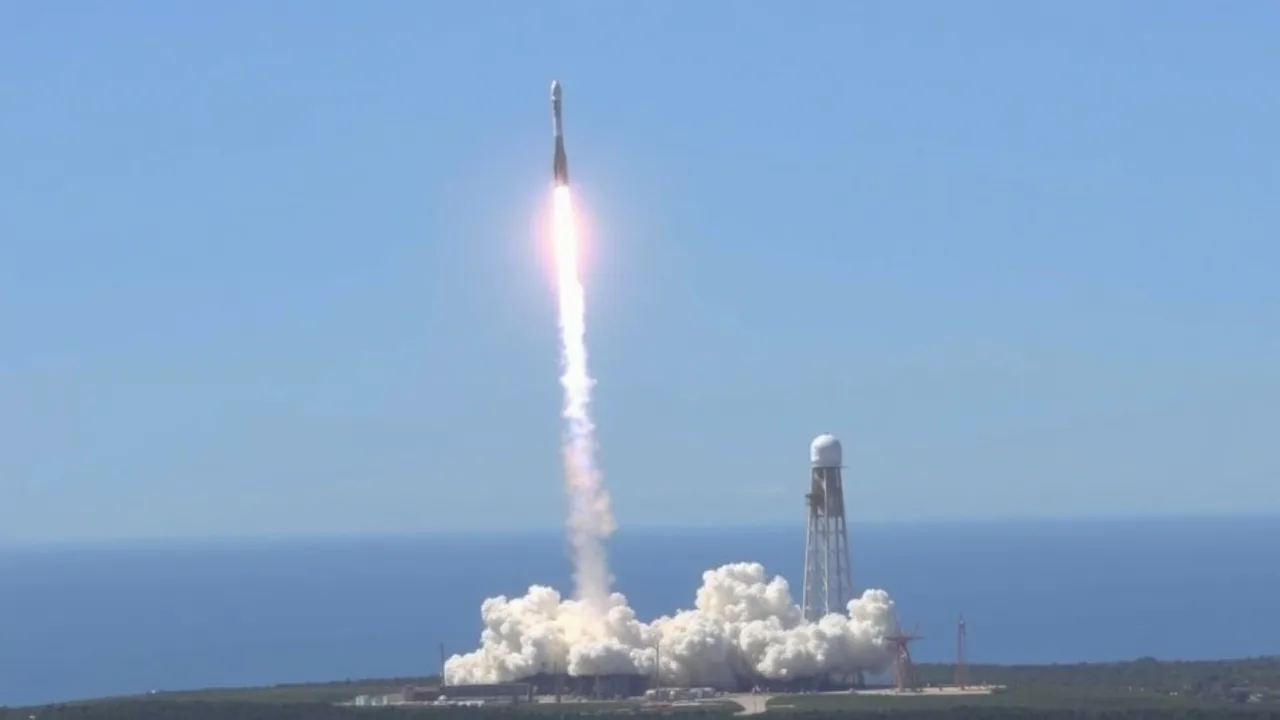
Elon Musk's SpaceX has captured sustained investor attention throughout 2026 as the privately-held aerospace firm continues executing ambitious missions and securing major contracts. While the company itself remains private, its trajectory shapes broader market sentiment around aerospace growth and space exploration investments.
As of mid-2026, SpaceX operates the world's most frequently-launched orbital rocket system, Falcon 9, and is advancing development of its fully reusable Starship vehicle. The company has secured approximately $10 billion in known government contracts over the past 18 months, including National Security Space Launch awards and Department of Defense logistics missions.
"The commercial space sector is entering a maturation phase," said Dr. Jonathan Hayes, senior aerospace analyst at Orbital Insight Research, in a July 2026 interview. "SpaceX has effectively created pricing discipline in launch services while simultaneously opening new revenue streams through Starshield military applications and international partnerships."
Investment Landscape and Market Dynamics
For investors seeking exposure to SpaceX stock or similar aerospace opportunities, the path is indirect. SpaceX remains unlisted on major US exchanges, but several publicly-traded aerospace and defense contractors derive significant revenue from contracts awarded to SpaceX suppliers and manufacturing partners.
Rival launch providers have faced financial headwinds in 2026. Rocket Lab filed for bankruptcy reorganization in March, while Blue Origin increased losses amid development delays on its New Glenn heavy-lift vehicle. This dynamic has amplified SpaceX's competitive moat and attracted speculative capital toward unlisted investment vehicles focused on private space companies.
Key publicly-traded aerospace firms benefiting from space industry expansion include:
- Lockheed Martin (LMT) - primary contractor for US military space systems and launch integration
- RTX Corporation (RTX) - supplier of avionics and spacecraft components
- Northrop Grumman (NOC) - developer of orbital refueling and satellite servicing technologies
- Axiom Space (private) - builder of commercial space station modules launching aboard SpaceX vehicles
SpaceX's commercial constellation business, Starlink, has expanded to over 7 million active subscribers as of Q2 2026, generating estimated annual revenue exceeding $6 billion. This consumer-facing segment has become a critical counterweight to launch services revenue and demonstrates the company's ability to monetize space infrastructure beyond government contracts.
Future Prospects and Strategic Challenges
The future of space development hinges partly on Starship's successful orbital refueling demonstrations, which SpaceX aims to complete by late 2026. This capability would unlock lunar landing missions for NASA's Artemis program and enable deeper space exploration architecture.
SpaceX faces three material risks heading into the final half of 2026. First, regulatory delays in Federal Aviation Administration environmental reviews could slow launch cadence. Second, international competition from China's Long March rockets and Europe's Ariane 6 vehicle may pressure launch pricing. Third, geopolitical tensions surrounding satellite communications and space-based intelligence systems could trigger export restrictions on Starlink or other technologies.
Industry analysts project the global commercial space market will reach $1.2 trillion by 2035, with launch services representing roughly 12 percent of that total. SpaceX's current market position suggests it will capture 50-60 percent of Western launch revenues through the decade, assuming no major technical setbacks.
For retail investors seeking investment exposure, financial advisors recommend monitoring the performance of aerospace ETFs and defense contractor equities rather than chasing unlisted SpaceX secondary offerings, which remain opaque and subject to wide valuation swings.
SpaceX's influence on 2026 valuations extends beyond its own operations. The company's success in reducing launch costs has accelerated adoption of satellite-based broadband, Earth observation, and space-based manufacturing concepts. Venture capital funding for space startups surged 28 percent year-over-year in the first half of 2026, reaching $8.7 billion, with much of that capital flowing toward SpaceX supply chain participants and downstream applications.
Whether SpaceX itself pursues a public listing remains speculative. Musk has not committed to an IPO timeline, and SpaceX's dual-use military and commercial operations may complicate regulatory approval for public markets. Meanwhile, institutional investors view the company through secondary market transactions and minority stakes held by funds like Apollo Global Management and Sequoia Capital, which acquired positions during SpaceX's 2021-2023 fundraising rounds.
The aerospace sector's 2026 trajectory reflects SpaceX's outsized importance to both national security and commercial innovation. Investors positioning for long-term exposure to space industry growth should assess their risk tolerance, time horizon, and regulatory comfort before committing capital to any single player in this rapidly evolving domain.