
Winter Weather Warning: Preparing for 2026 Extreme Forecasts
The National Weather Service is tracking an unusually active winter pattern for 2026, with severe cold snaps and major storms expected across the continental U.S. Learn critical preparation steps to protect your household.

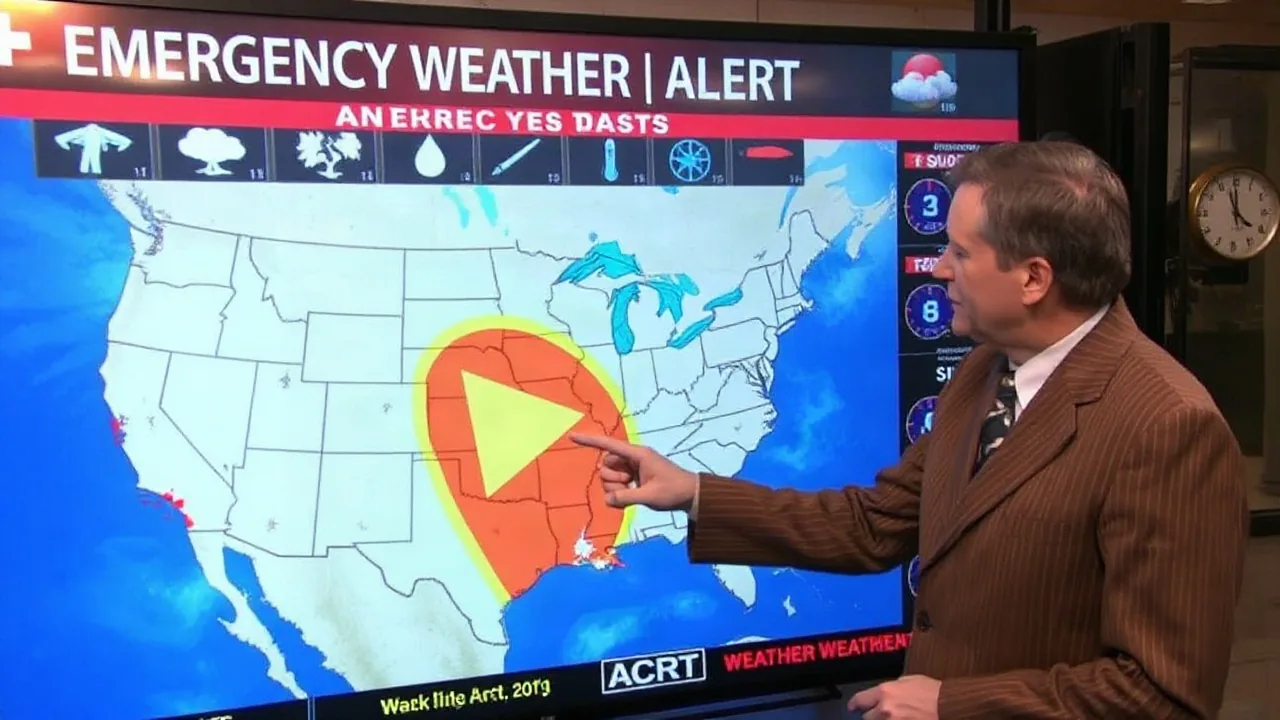
The National Weather Service issued its first major winter weather warning for September 2026 on September 4, signaling an earlier-than-normal onset of severe conditions across the upper Midwest and Northern Plains. Weather analysts are pointing to unusual ocean temperature patterns and atmospheric circulation anomalies as drivers of what could be a harsh season ahead.
"We're seeing indicators that suggest above-normal precipitation and below-normal temperatures could persist from November through February," said Dr. Mark Richardson, lead seasonal forecaster at the Climate Prediction Center in College Park, Maryland. "Households should not wait until December to prepare emergency supplies and winterization measures."
September is typically when most Americans focus on fall activities, not winter readiness. However, early-season warnings from federal meteorologists reflect growing confidence in model consensus about a shift toward colder, wetter conditions by mid-autumn 2026.
What the 2026 Winter Forecast Predicts
Current models indicate three distinct weather regimes likely to dominate the 2026-2027 winter. From November through December, the upper Midwest and Great Lakes region face heightened risk for lake-effect snow events and freeze-thaw cycles. January and February could see blocking high-pressure systems that trap Arctic air masses over the central and eastern United States.
The National Oceanic and Atmospheric Administration (NOAA) released its official 2026 weather forecast update on August 25, predicting:
- 30-40% above normal precipitation in the Ohio Valley and Mid-Atlantic regions
- Below-normal temperatures across 60% of the continental United States
- Increased probability of ice storms in the South and Southeast from December through February
- Extended drought relief expected in the Southwest, though with elevated mountain snowfall
While extreme weather events occur yearly, the convergence of signals this early in the year has prompted federal agencies to begin public outreach campaigns weeks ahead of the traditional October preparedness push.
Emergency Preparedness Steps for Households
The Federal Emergency Management Agency (FEMA) recommends that households complete emergency preparedness tasks by October 31 to avoid the rush and supply shortages that typically occur in November. Essential supplies include a 72-hour emergency kit with water, non-perishable food, first aid materials, and battery-powered or hand-crank flashlights.
Home winterization should address heating systems, insulation, and pipe protection. Homeowners should schedule furnace inspections by mid-October, have chimney systems professionally cleaned, and seal air leaks around windows and doors. For homes reliant on heating oil or propane, verify tank levels by September 30 to secure contracts before peak-season pricing takes effect.
Vehicle winterization is equally critical. Replace wiper blades with winter-rated versions, check battery charge capacity, and stock emergency kits including jumper cables, a flashlight, blankets, and sand or kitty litter for traction.
Outdoor preparation includes clearing gutters of debris to prevent ice dam formation, trimming tree branches that hang over structures, and securing loose outdoor equipment. Wood pile storage or securing backup heating fuel should be completed by mid-October.
Climate Change and Winter Weather Patterns
Scientists have documented that climate change does not eliminate winter severity but rather destabilizes traditional weather patterns. Warmer ocean temperatures in the Atlantic and Pacific increase atmospheric moisture, which when combined with Arctic air masses produces heavier precipitation events. This dynamic explains why many regions experience record-breaking snow totals even as global average temperatures rise.
"The jet stream has become more prone to wild swings," noted Dr. Jennifer Lee, atmospheric physicist at the University of Washington's Department of Earth and Space Sciences. "We see extreme cold followed by rapid warm spells, which creates hazardous ice conditions and flooding risks. 2026 appears positioned for multiple such cycles."
Insurance data from the Insurance Institute for Business and Home Safety documents that winter storms caused an average of $3.2 billion in annual property losses between 2020 and 2025, with that figure rising year over year. Preparation and early response significantly reduce personal risk and financial exposure.
The connection between global weather systems and local winter conditions means that residents in historically milder regions cannot assume their area will remain unaffected. Southern states have experienced ice storms in recent years with increasing frequency, and preparedness in those regions has lagged behind traditional winter-weather zones.
Winter Safety Resources and Timeline
Federal and state agencies have published detailed checklists and supply lists. The National Weather Service maintains a dedicated winter preparedness website, while state emergency management offices provide region-specific guidance. County extension offices offer free consultations on home winterization.
A practical timeline for 2026 winter preparation is:
- By September 15: Request furnace inspections and schedule chimney cleaning
- By September 30: Complete outdoor winterization and fuel supply verification
- By October 15: Assemble emergency kits and verify battery and flashlight function
- By October 31: Confirm all preparedness measures complete and review household emergency plan
Communities that begin preparation early reduce strain on contractors and suppliers, improve response times during actual events, and lower overall household expenses. Winter safety is as much a logistical challenge as a weather challenge, and advance planning addresses both dimensions effectively.
The combination of an active winter forecast, documented climate trends, and lessons from recent severe seasons make September 2026 the appropriate moment for household and community action. Early preparation translates directly to fewer disruptions, lower costs, and safer outcomes when extreme conditions arrive.