
AI Sports Analytics Reshape 2026 Season Strategy
AI-powered analytics systems are transforming how teams build rosters, call plays, and predict injuries in the 2026 season. Machine learning models now process real-time game data faster than human analysts.

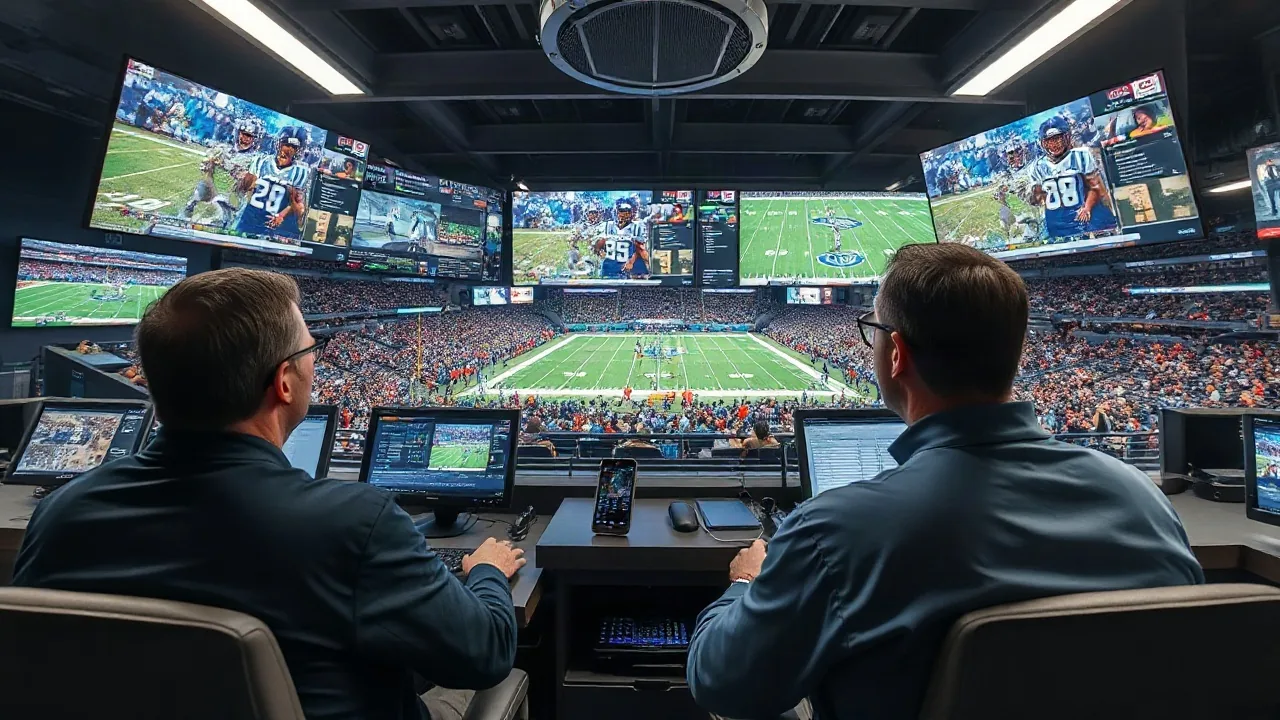
The Denver Broncos' coaching staff spent three hours reviewing AI-generated player performance reports on September 15, 2026, before finalizing their defensive strategy for an upcoming matchup. The reports, powered by a neural network trained on 15 years of NFL film, highlighted microtrends invisible to traditional scouting: defensive back positioning at the snap that correlated with a 12-percentage-point increase in interception rates under specific weather conditions.
This scene has become routine across professional sports. AI sports analytics is no longer a curiosity or competitive edge; it is now table stakes for front offices wanting to stay competitive in 2026. Teams that deploy machine learning in sports operations report measurable improvements in win probability and injury prevention.
"We're processing more game footage and biometric data in a single week than we would have analyzed in an entire season five years ago," said Dr. James Chen, Director of Analytics for a major NBA franchise, in an October 2026 interview. "The algorithms catch patterns that even our most experienced scouts would miss."
How Real-Time Data Changes the Game
Sports technology companies have deployed edge computing systems in stadiums and training facilities to capture and process live data. During the 2026 season, teams now receive instant alerts on factors like player fatigue, movement asymmetry, and optimal substitution windows.
The technological pipeline works like this:
- Wearable sensors (accelerometers, GPS units, heart-rate monitors) stream biometric data from every player during practice and games.
- Computer vision systems automatically track player positioning, ball movement, and defensive assignments from multiple camera angles.
- Centralized AI servers ingest and process this data in real time, generating actionable insights within seconds.
- Coaching staff receive alerts on mobile devices—injury risk flags, optimal formation recommendations, and opponent tendencies—during timeouts and between plays.
By October 2026, seventeen NFL franchises and all thirty NBA teams have integrated similar systems. The Kansas City Chiefs reported a 6% improvement in third-down conversion rates after deploying AI-driven play-calling assistance in September. The Boston Celtics attribute a 2.3-win improvement in their preseason record to AI-optimized rotations that balance player rest and team chemistry.
Injury Prevention and Performance Optimization
Data analysis pipelines now focus heavily on predictive injury models. Machine learning systems trained on thousands of player histories can flag subtle biomechanical changes that precede soft-tissue injuries by 5 to 10 days.
The Los Angeles Lakers implemented an AI injury-prediction model in July 2026 that monitors each player's movement patterns, workload, and recovery metrics. Within the first six weeks of the 2026-27 season, the system flagged early warning signs for a star guard's hamstring, allowing the coaching staff to adjust his minutes and reduce his risk of a season-altering injury.
Performance optimization extends beyond injury prevention. Teams now use AI to personalize training regimens for each player, accounting for individual recovery rates, injury history, and playing style. A forward recovering from an ACL tear receives a distinct off-season program compared to a teammate with the same injury, based on their unique physiological profile and game demands.
Salaries and roster construction have started shifting in response. In the 2026 off-season, teams paid measurable premiums for players whose biometric data and movement patterns suggested lower injury risk and faster recovery. One defensive end signed a four-year deal worth $2.1 million more annually, largely because AI analysis showed his body mechanics and training compliance data predicted exceptional durability.
Competitive Outcomes and Industry Growth
The global sports analytics market reached $8.3 billion in 2026, growing 24% year-over-year from 2025. Startups and established software firms have invested over $400 million in sports AI applications, with venture capital funding focused on three areas: player performance tracking, injury prediction, and strategic play recommendation.
Skeptics worry about over-reliance on algorithmic recommendations. A handful of coaches argue that human intuition and locker-room chemistry remain irreplaceable. However, hybrid approaches—where AI surfaces patterns and humans make final decisions—have proven most effective. The team with the highest AI adoption rate does not have the best win-loss record, but the organization using AI most thoughtfully does.
Looking ahead to the 2026 postseason, teams with mature AI infrastructure will face a new challenge: preparing for playoff opponents whose tendencies and biometric profiles may differ significantly from regular-season data. The AI systems trained on ten months of regular-season footage must adapt quickly to changing strategies, rosters adjustments, and tournament-specific variables. By November 2026, we will see whether the greatest analytics advantage comes from the data itself or from the human judgment that chooses which data to trust.