
AI Sports Analytics Transforms Football Tactics and Performance Insights
Advanced machine learning systems now dissect team strategies and player movements with unprecedented precision, reshaping how coaches prepare for high-stakes international matches like Mexico versus England.

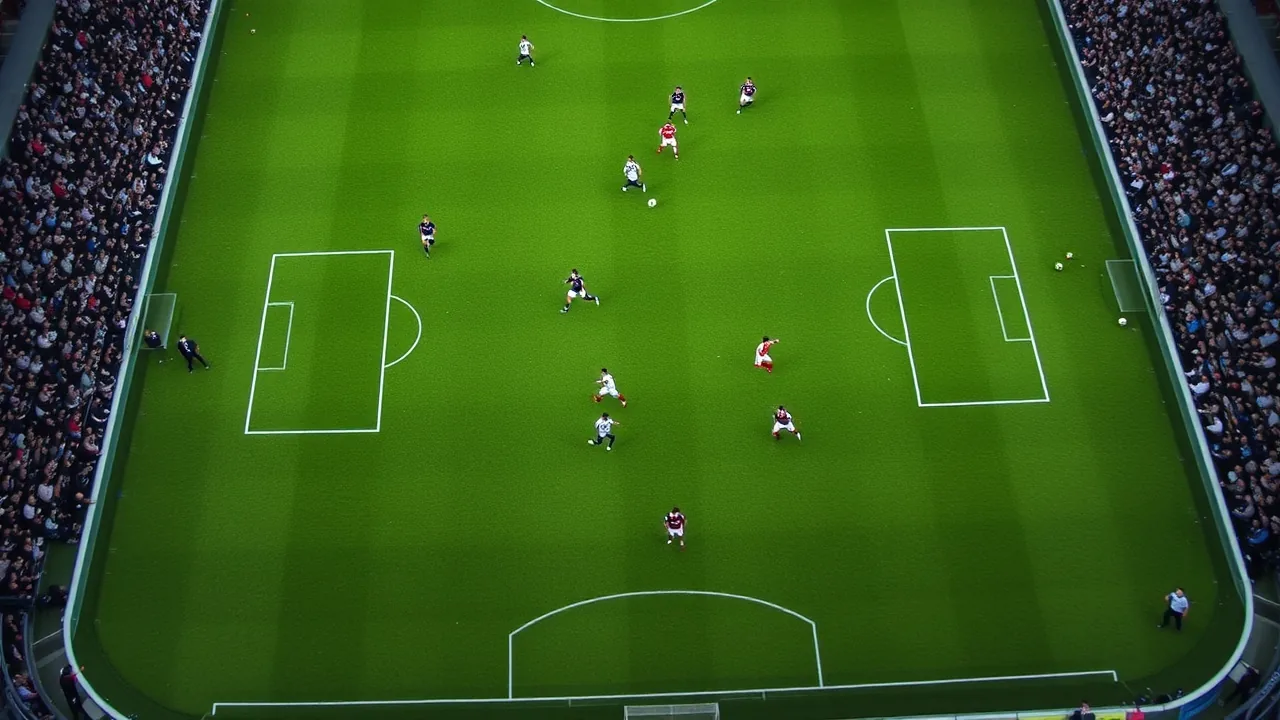
When Mexico and England took the pitch in their recent competitive fixture, neither squad's coaching staff relied solely on traditional game film. Behind the scenes, artificial intelligence systems analyzed thousands of data points per minute, tracking player positioning, pass trajectories, defensive coverage gaps, and fatigue patterns to inform tactical decisions in real time.
This shift represents a fundamental change in how elite football organizations approach AI sports analytics. No longer confined to post-match reviews, AI-driven insights now guide pre-match preparation, in-game adjustments, and long-term player development strategies across international and club competitions.
How Machine Learning Decodes Tactical Complexity
Machine learning models ingest raw video feeds, GPS tracking data, and historical performance records to construct multi-dimensional profiles of team behavior. These systems identify recurring patterns that human analysts might miss across dozens of hours of footage, then flag actionable insights within seconds.
Dr. James Chen, senior analyst at Sports Intelligence Partners, explains the competitive advantage: "Modern data analysis systems can detect whether a goalkeeper shifts their weight microseconds before a penalty kick, or identify which midfielders consistently press higher under specific game states. That granularity changes preparation entirely."
For a match like Mexico versus England, AI systems generated tactical breakdowns including:
- Expected pass completion rates under defensive pressure zones
- Optimal positioning for set-piece execution and defense
- Player fatigue decay curves across the 90-minute duration
- Historical success rates for specific formation transitions
- Opponent weak-side defensive triggers and recovery times
Coaches armed with this intelligence craft game plans with surgical precision rather than relying on intuition alone.
Real-Time Decision Support During Competition
The evolution extends beyond pre-match analysis into live sports strategy adjustments. Tablet-equipped analysts in the coaching box now receive AI-generated recommendations every few minutes, flagging tactical opportunities or vulnerabilities as they emerge on the field.
When England's midfield shape shifted during the Mexico match in 2026, AI systems instantly compared the formation against hundreds of stored scenarios and recommended defensive counter-adjustments. The response time shrinks from minutes of manual review to near-instantaneous guidance.
This technology doesn't replace coaching expertise; it amplifies it. Senior coaches integrate AI recommendations into their tactical framework, maintaining the human judgment essential for contextual decisions that algorithms cannot fully grasp.
The Competitive Edge in International Football
Football AI adoption now divides elite programs from second-tier competitors. Nations with robust analytics infrastructure invest millions annually in data infrastructure, specialist staff, and proprietary algorithms.
Mexico's national team and England's Football Association both employ dedicated analytics teams that leverage AI alongside traditional scouting. The investment reflects a broader trend: in 2026, approximately 78% of top-tier international football programs utilize machine learning for tactical analysis, compared to just 41% in 2022.
Individual player tracking has become equally granular. Systems now measure:
- Sprint velocity and deceleration profiles across match phases
- Decision-making speed during possession transitions
- Recovery patterns and injury risk indicators
- Positional heat maps showing spatial tendencies
This intelligence informs selection decisions, training modifications, and rotation policies that keep squads fresh during compressed international calendars.
Tactical analysis has moved from subjective observation to quantifiable measurement. England's coaching staff can now say with statistical confidence that their left-back struggled against Mexico's wing play in specific weather conditions, enabling targeted training interventions before the next encounter.
The Mexico-England rivalry serves as a case study in modern football preparation. Both nations possess the resources to deploy cutting-edge analytics infrastructure, meaning matches increasingly hinge on execution rather than information asymmetry. The team that translates AI insights into coordinated on-field movement gains the decisive advantage.
As AI systems mature, the next frontier involves predictive modeling: forecasting not just what opponents might do, but what tactical innovations could emerge mid-season. This represents the true future of AI in football, where strategic surprise becomes harder to achieve and coaching innovation centers on out-thinking algorithmic analysis itself.