
Google Home Speaker 2026: Stellar Sound and AI Promise
Google's new $99 Home Speaker offers impressive audio and advanced AI capabilities, though some voice command processing remains sluggish.

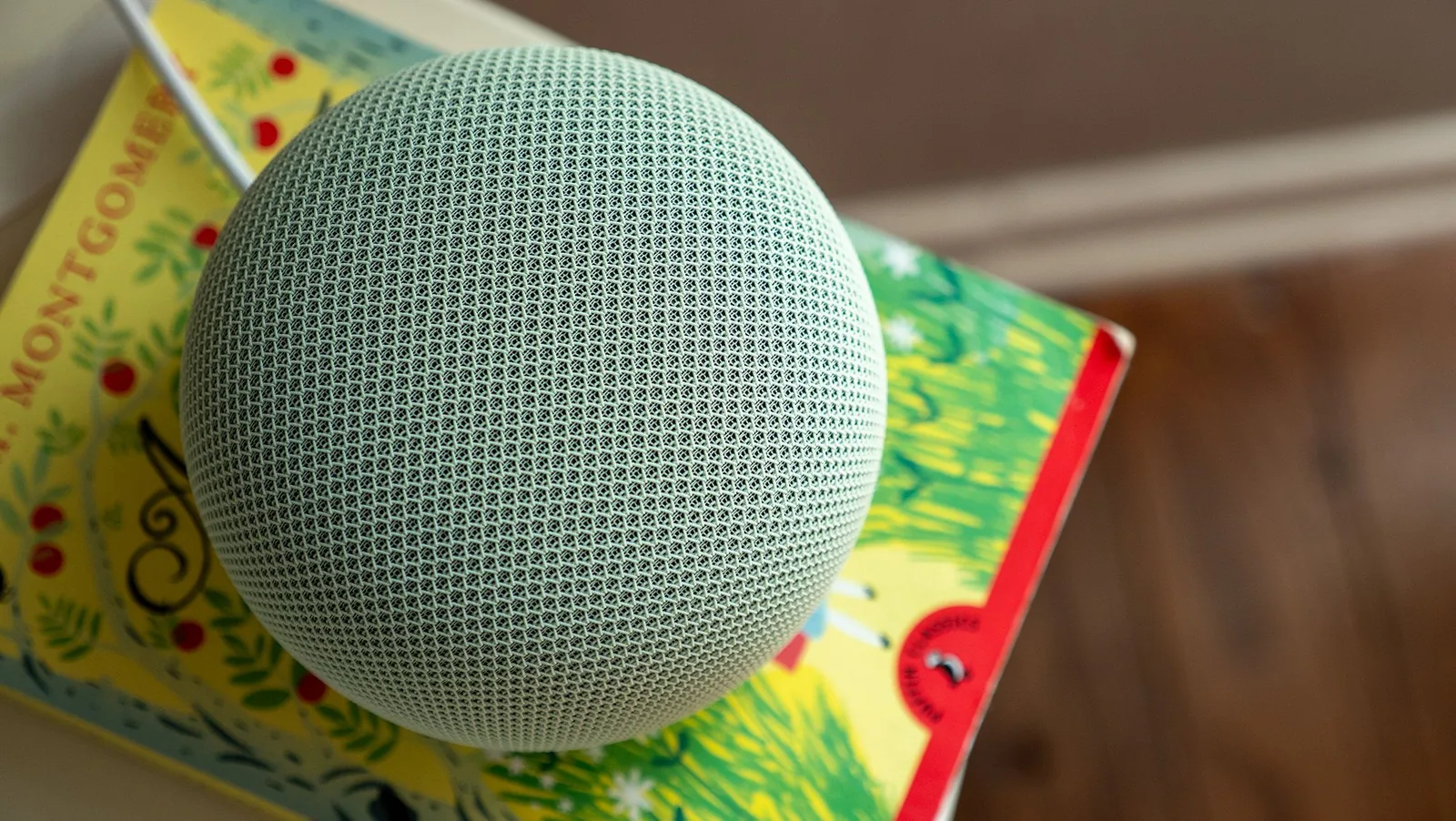
The 2026 Google Home Speaker has arrived, aiming to redefine the smart speaker experience with its integration of Google's Gemini AI. Retailing for $99, this new device is designed from the ground up for advanced AI processing, featuring a dedicated Neural Processing Unit (NPU) that promises faster and more intelligent interactions compared to previous Nest models.
Available in Hazel and Porcelain globally, with U.S. customers also having the choice of Berry or Jade, the speaker boasts a sophisticated fabric-clad design that blends seamlessly into home decor. Google is sweetening the deal by including six months of Google Home Premium, valued at $60, with purchases made before September 30, 2026. This strategic move aims to bolster user adoption and showcase the speaker's full potential.
Google's decision to revert to the 'Google Home' branding for its latest smart speaker marks a significant shift from the 'Nest' line. This change acknowledges a widespread user tendency to refer to smart speakers simply as 'Google,' rather than by a specific product name. The design maintains the aesthetic appeal of its predecessors, offering a size that strikes a balance between the compact Nest Mini and the larger Google Home Max, with audio components to match. A subtle under-glow light adds a touch of personality, making the interaction feel more akin to conversing with a helpful assistant than just issuing commands to a device.
Performance and AI Integration
While the speaker's AI capabilities are a headline feature, its overall audio performance is a strong selling point. The omnidirectional sound design ensures room-filling audio, making it a notable upgrade for users accustomed to smaller smart speakers. For those looking to create a more immersive entertainment experience, the Google Home Speaker can be paired with a Google TV Streamer to establish a surround sound setup, a feature previously exclusive to competitors.
However, the much-touted Gemini AI integration presents a mixed bag. While certain complex commands, such as chaining multiple instructions or excluding specific devices, are handled with impressive speed and accuracy—a leap forward from the capabilities of the older Google Assistant—other basic functions exhibit surprising latency. For instance, setting a timer or adding an item to a shopping list can take between 5 to 25 seconds, a sluggishness that persists even after reboots. Google acknowledges these inconsistencies, which are likely software-related bugs that the company aims to resolve in future updates. This has led to a situation where the speaker's AI is exceptional for complex tasks but frustratingly slow for everyday simple requests.
The speaker also brings back user-requested features, like checking calendars without requiring the Voice Match feature, which had been a point of contention for many users. This enhanced voice command recognition, even for simple directives like 'stop,' appears to be a significant improvement over previous generations that often seemed to ignore commands. Despite the lingering processing delays on certain functions, the fundamental understanding and execution of a wider range of commands, especially for smart home control, mark a substantial advancement.
The inclusion of a hardwired USB-C power cable, while convenient for immediate use, raises concerns about long-term durability and e-waste. Unlike previous models that used proprietary barrel plugs or detachable cables, this integrated design means that cable damage could necessitate replacing the entire speaker. This design choice, while perhaps intended to simplify setup, overlooks potential sustainability and repairability issues.
In summary, the 2026 Google Home Speaker offers a compelling package for $99, delivering excellent sound quality and a design that enhances any living space. The Gemini AI integration shows immense promise, particularly for sophisticated smart home automation and complex command sequences. While the current processing delays for simpler tasks are a drawback, they are widely expected to be rectified through software updates. For users prioritizing audio fidelity and advanced smart home control, and who are willing to overlook some initial software quirks, this new speaker is a strong contender and a worthy successor in Google's smart home lineup.