
Rabbit OS3: New AI Agent App Works on Any Device
Rabbit has unveiled OS3, a new AI agent operating system designed to work across various devices, eliminating the need for its dedicated R1 hardware.

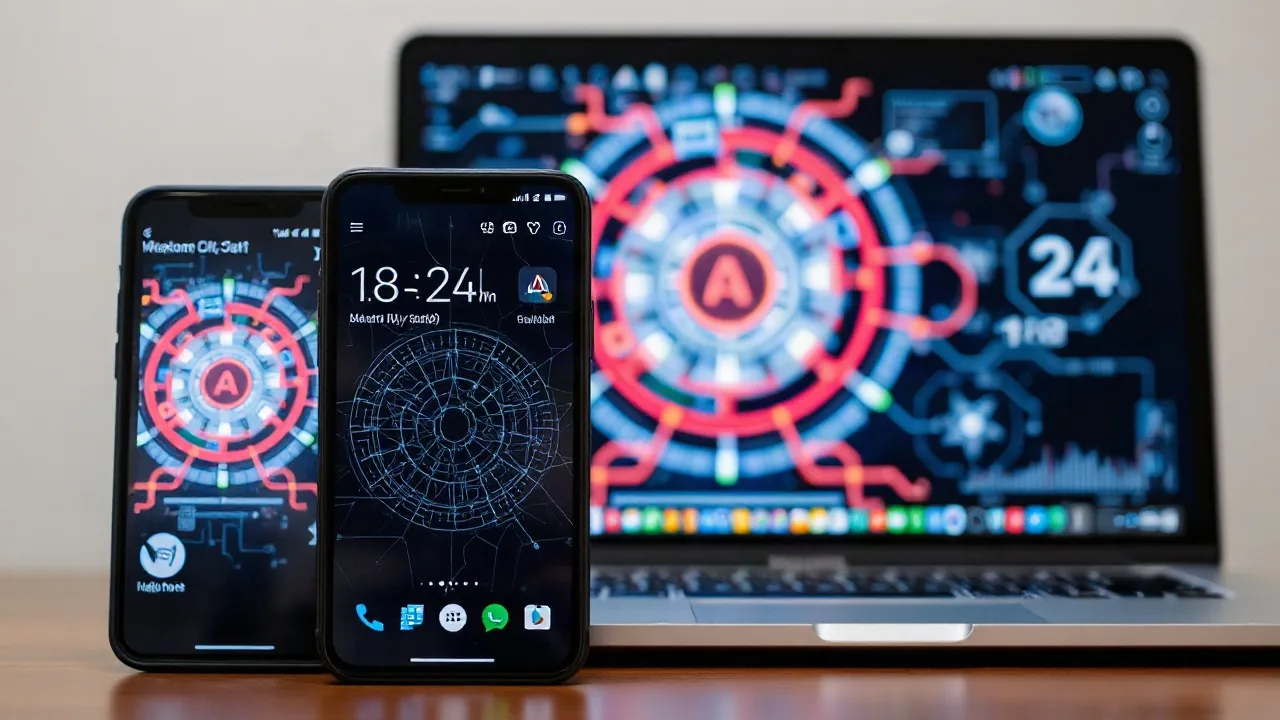
Rabbit, the company behind the AI-powered R1 handheld device, has launched its latest innovation: OS3, an agentic operating system that can run on any smartphone or computer. This new development signifies a shift from requiring specific hardware to offering its AI capabilities as a cross-platform software solution.
The OS3 software aims to bring the company's vision of an AI that can perform tasks on behalf of users—such as booking flights or scheduling appointments—to a much wider audience. Previously, these functionalities were primarily showcased through the Rabbit R1 device, which launched in early 2024 to a mix of intrigue and criticism. The move to an app-based, cross-platform OS suggests Rabbit is pivoting to make its technology more accessible and integrated into users' existing digital lives.
New Operating System Aims for Ubiquitous AI Assistance
Rabbit founder and CEO Jesse Lyu announced OS3 on September 23, 2026, highlighting its ability to operate without the need for the physical R1 hardware. This new operating system is designed to be an "agentic" platform, meaning it can understand complex user requests and execute multi-step actions across different applications. For instance, a user could theoretically ask the AI to find a recipe, add the ingredients to a shopping list, and then order them from a grocery app, all managed by OS3.
The company stated that OS3 will be available through an app, though specific details on distribution channels for iOS and Android are forthcoming. Early adopters and those who purchased the R1 device will likely receive priority access or enhanced features. Rabbit has also introduced new AI models, including "Open Claw" and "Hermes AI," to power OS3's capabilities, promising more sophisticated natural language understanding and task execution.
The introduction of OS3 represents a significant strategic move for Rabbit. The company faced challenges with the R1 device, including production delays and mixed reviews regarding its practical utility. By shifting focus to a software-centric approach, Rabbit hopes to overcome these hurdles and tap into a larger market. The ability to run on existing devices makes the technology less of a financial and logistical commitment for consumers.
This pivot aligns with broader trends in the artificial intelligence sector, where companies are increasingly exploring how AI can be embedded into everyday software and services. The goal is to create AI agents that can act as proactive assistants, simplifying digital interactions and automating mundane tasks. Rabbit's OS3 positions itself as a contender in this evolving landscape, competing with established tech giants and emerging AI startups.
The potential impact of OS3 could be substantial if Rabbit can deliver on its promises of seamless integration and reliable task completion. Users are looking for AI solutions that go beyond simple chatbots and offer tangible help in managing their digital and, by extension, their physical lives. The success of Rabbit's new OS will hinge on its ability to provide a user experience that is both powerful and intuitive, making complex AI operations feel effortless.