
Human Family Tree May Need Rewriting: New Homo Genus Proposal
A new proposal suggests expanding the genus Homo to include Australopithecus and Paranthropus, potentially rewriting the human family tree. This change aims to better reflect complex evolutionary relationships.

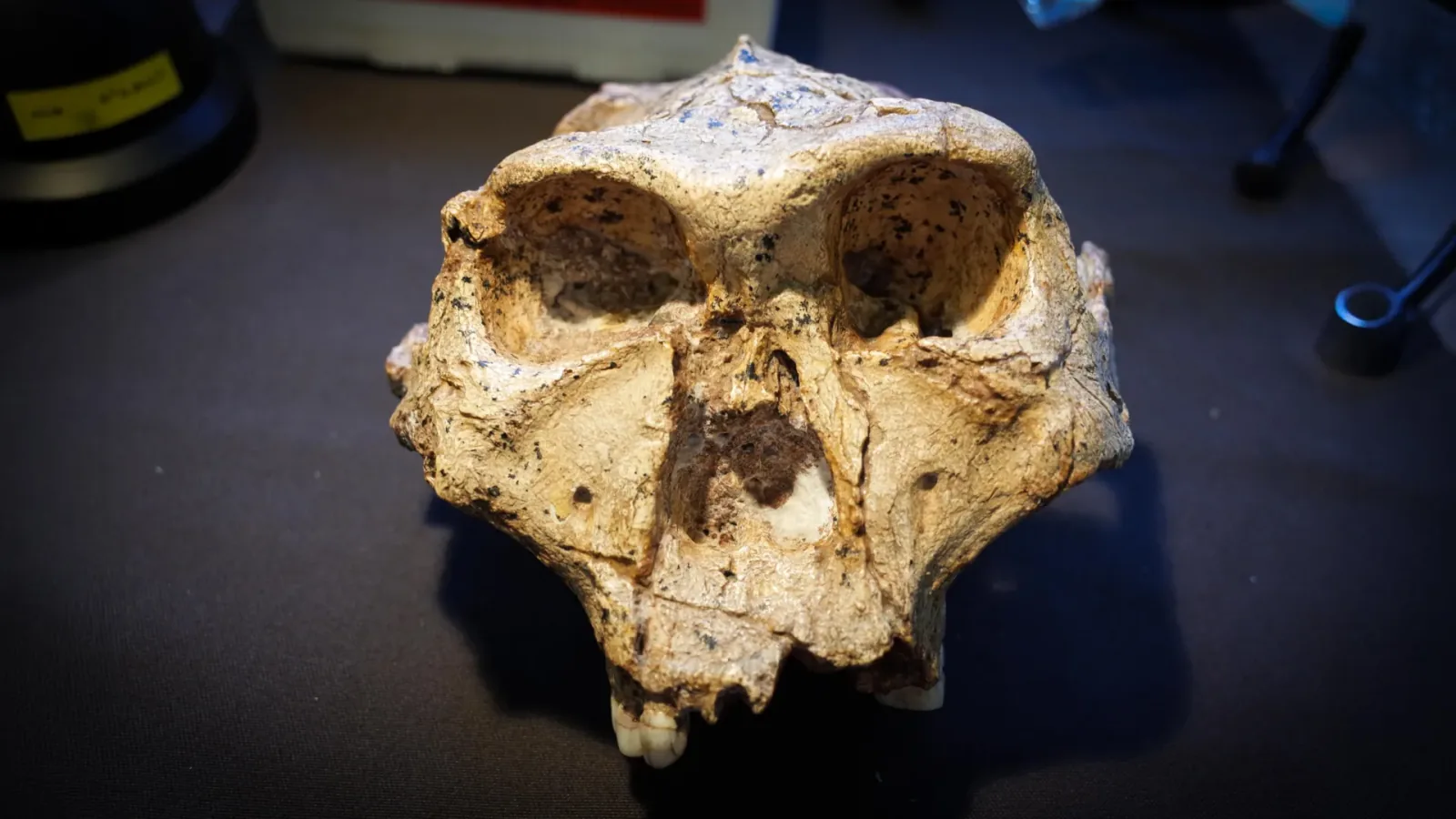
Scientists are proposing a significant revision to the human family tree, suggesting that all human species and their close fossil relatives from the last 4-5 million years should be classified under the genus Homo. This reevaluation, detailed in the American Journal of Biological Anthropology, challenges the traditional view of human evolution as a linear progression and calls for a more inclusive taxonomic system to better represent the fossil record's complexities.
For decades, the depiction of human evolution has often simplified into a straightforward sequence from ape-like ancestors, through genera like Australopithecus and early Homo, culminating in modern Homo sapiens. However, the expanding fossil record increasingly reveals a far more intricate and interconnected evolutionary history. As new fossils emerge, the distinct features once used to differentiate between various human and pre-human species have become blurred, prompting a re-examination of current classification methods.
New Discoveries Challenge Traditional Boundaries
Lead researcher Dr. Ian Towle, a Research Fellow at the Monash Biomedicine Discovery Institute, stated that recent discoveries are making the existing classification system less accurate and useful. This applies not only to species within the Homo genus but also to related groups like Australopithecus and Paranthropus, all of which inhabited the Earth within the last five million years. "Recent fossil discoveries and advances in evolutionary and genetic analysis make this an ideal time to reconsider whether our traditional taxonomy still accurately reflects human evolution," Dr. Towle explained. "These groups do not necessarily represent distinct evolutionary branches, or 'clades', and differences in behavior and ecology once used to distinguish them have also become increasingly difficult to maintain."
Dr. Towle's proposal is to broaden the scope of the Homo genus to encompass these other groups. He believes this would provide a more accurate and stable framework for understanding the intricate evolutionary connections illuminated by the growing collection of fossil evidence. The traditional markers for classifying members of the Homo genus, such as large brain size, advanced tool use, and specific anatomical or behavioral traits, are proving less definitive. Current scientific understanding indicates that some species within the traditional Homo genus possessed relatively small brains, while evidence suggests that members of Australopithecus and Paranthropus were also capable of complex behaviors, further complicating established distinctions.
This potential shift aligns with broader trends in modern taxonomy over the past half-century. The science of naming and classifying organisms now increasingly strives to mirror actual evolutionary relationships, grouping species based on shared ancestry. While this cladistic approach has gained traction in many areas of biology, its full implementation in human evolution studies has been slower. Scientists are increasingly focused on defining groups, or clades, that accurately represent a common ancestor and all of its descendants.
The implications of adopting Dr. Towle's proposal could streamline scientific understanding and reduce the need for constant reclassification as new evidence surfaces. "The more we learn about our ancestors and close fossil relatives, the more we realize how complex and non-linear our family tree is," Dr. Towle commented. "Expanding the Homo genus to also include species of Australopithecus and Paranthropus will allow us to account for differences without regularly reclassifying particular groups." This integrated approach could offer a more cohesive narrative of human origins, reflecting the dynamic and branching nature of our evolutionary past.