
Mirror Life Research Sparks Global Concern Over Earth's Future
Scientists are raising alarms about the potential creation of "mirror life," a hypothetical form of biology with reversed molecular handedness. A new report urges a halt to research, fearing catastrophic implications for existing life on Earth.

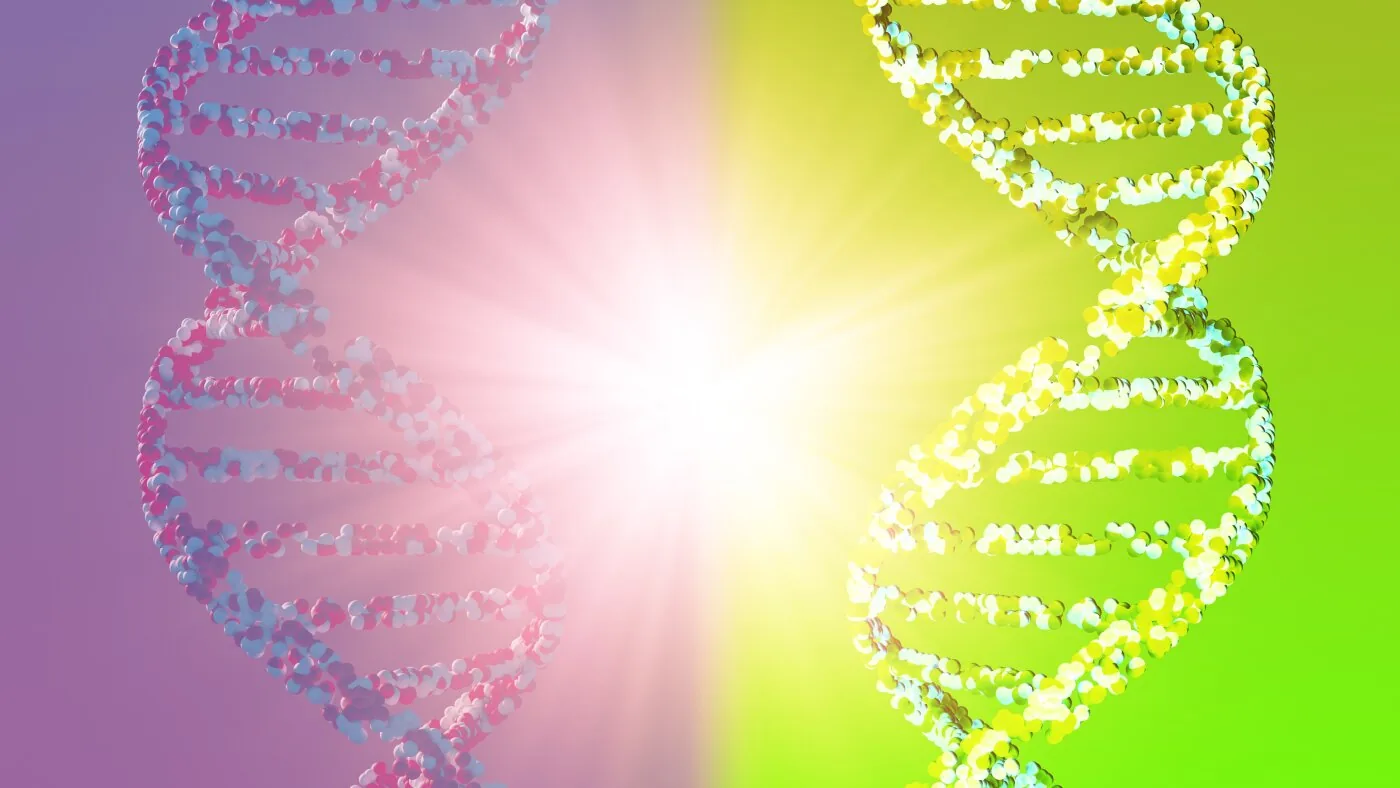
A significant debate is emerging within the scientific community concerning the potential development of "mirror life" – organisms with a reversed molecular structure compared to all known life on Earth. While currently theoretical, a new, extensive report from a group of concerned scientists is calling for an immediate cessation of research into this field, citing profound risks to the planet's existing biosphere. This concern stems from the fundamental asymmetry of life as we know it, where DNA exclusively twists to the right and protein building blocks exhibit a left-handed chirality.
The possibility of constructing a parallel biological system, where molecules have the opposite "handedness" to Earth's native life, has moved from pure speculation to a tangible research goal for some. However, the technology to achieve this at a cellular level is not yet available and is projected to be at least a decade away. Despite this temporal distance, the potential consequences have prompted a thorough, 299-page technical report advocating for a global moratorium on such research.
A Fundamental Asymmetry in Biology
Life on Earth operates under a strict set of rules dictated by molecular asymmetry, often referred to as homochirality. All naturally occurring amino acids, the building blocks of proteins, are left-handed (L-amino acids), while the sugars that form DNA and RNA are right-handed (D-sugars). This left-right molecular preference is deeply embedded in the structure and function of all known organisms, from the simplest bacteria to complex animals. The possibility of creating life with opposite chirality, using D-amino acids and L-sugars, raises questions about its potential interactions with our biosphere.
Carl Zimmer, a science reporter for The New York Times, has extensively covered this developing story. "The possibility of mirror life is not something we should be playing around with without extremely serious consideration," Zimmer stated in a recent discussion about his reporting. "If such a life form were ever to escape or be intentionally introduced, the consequences for our own ecosystem could be unfathomably destructive. It could outcompete or even poison native life because our biology simply wouldn't recognize or be able to process it."
The report, authored by scientists from various institutions, argues that even unintended contamination could have devastating effects. The concern is not necessarily about a deliberate attack, but rather the unforeseen accidents that can occur in complex scientific endeavors. The authors emphasize that the current understanding of biochemistry and ecology is insufficient to predict or mitigate the potential fallout of introducing an entirely alien biochemical system.
Background context for this debate lies in a deeper understanding of how life originated on Earth. While the exact reason for life's homochirality remains a subject of scientific inquiry, theories range from random chance during early Earth conditions to unique chemical processes favoring one chirality over the other. The creation of mirror life would essentially be an experiment in creating a second, independent genesis of life with entirely different fundamental building blocks.
The call for a halt is not universally shared, with some researchers arguing that the potential scientific insights gained from studying mirror life outweigh the hypothetical risks. They propose stringent containment protocols and controlled laboratory environments as sufficient safeguards. However, the 299-page report details the limitations of current containment technologies and the potential for breaches, especially in the long term. The signatories of the report argue that the precautionary principle should apply, given the existential stakes involved.
The implications extend beyond immediate biological threats. If mirror life were to be successfully created and sustained, it could fundamentally alter our understanding of life's origins and the probability of life existing elsewhere in the universe. It raises profound philosophical and ethical questions about humanity's role as creators and the responsibilities that come with such power. The ongoing discussion highlights a critical juncture in scientific research, balancing the pursuit of knowledge with the imperative to protect the only known home for life in the cosmos.