
New Penguin Species Found: First Discovery in Over a Century
A groundbreaking discovery has been made as scientists identify the first new penguin species in over 100 years. The finding marks a significant moment in avian research and highlights the ongoing potential for new species identification.

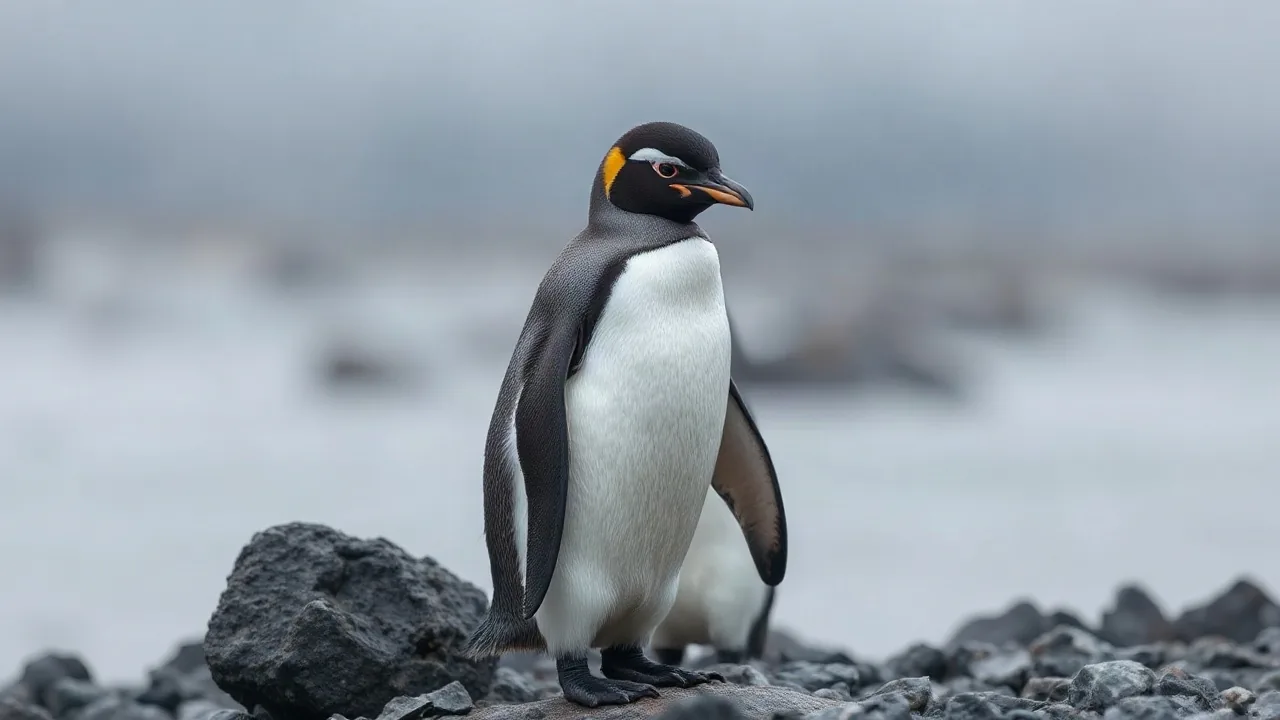
In a remarkable development for ornithology, researchers have announced the identification of a completely new species of penguin, marking the first such discovery in more than a century. The as-yet-unnamed species, provisionally known from genetic and morphological studies, is believed to inhabit remote subantarctic islands.
The breakthrough comes after years of meticulous fieldwork and analysis of collected samples. Scientists focused on distinct populations that had long puzzled researchers with subtle differences in appearance and behavior. DNA sequencing and detailed anatomical comparisons confirmed that these penguins represent a unique lineage, separate from any previously recognized species. This finding underscores the vastness of undiscovered biodiversity that may still exist in Earth's less-explored regions.
A Unique Evolutionary Path
What sets this new penguin species apart are several key characteristics, including a distinct vocalization pattern, a slightly different foraging technique, and unique plumage coloration not seen in its closest relatives. Early observations suggest it may have evolved in isolation on a specific island chain, developing specialized adaptations to its local environment. The exact geographical range and population size are still under investigation, but initial estimates suggest it is a relatively rare species.
Dr. Evelyn Reed, lead ornithologist on the research team from the University of Cambridge, expressed her excitement. "To find a new species of penguin in the 21st century is astonishing," she stated. "It's a testament to how much we still have to learn about our planet's natural history and the importance of continued exploration and scientific rigor." The discovery process involved cross-referencing data from multiple expeditions dating back to the early 2000s, with modern genetic technology finally providing the definitive proof.
The last new penguin species to be formally recognized was the Snares penguin (Eudyptes robustus) in 1922. For over a hundred years, the scientific community has considered the known penguin species list to be relatively stable. This latest find challenges that perception and may spur further investigation into other poorly understood avian populations.
Conservation efforts are already being considered, as the new species is likely vulnerable due to its potentially limited range and specialized habitat requirements. Understanding its ecological role and the threats it faces will be crucial for its long-term survival. The research team plans to publish their full findings in a peer-reviewed scientific journal later this year, which will include a formal scientific name and detailed taxonomic classification. This discovery highlights the critical need for preserving fragile ecosystems worldwide, as they may harbor untold biological treasures.