
Two New Sea Spider Species Found on Canadian Coastline
Marine biologists have identified two previously unknown species of sea spiders off the coast of Canada. These fascinating arachnids possess unique physical characteristics, including hairy legs and distinctive eye patterns.

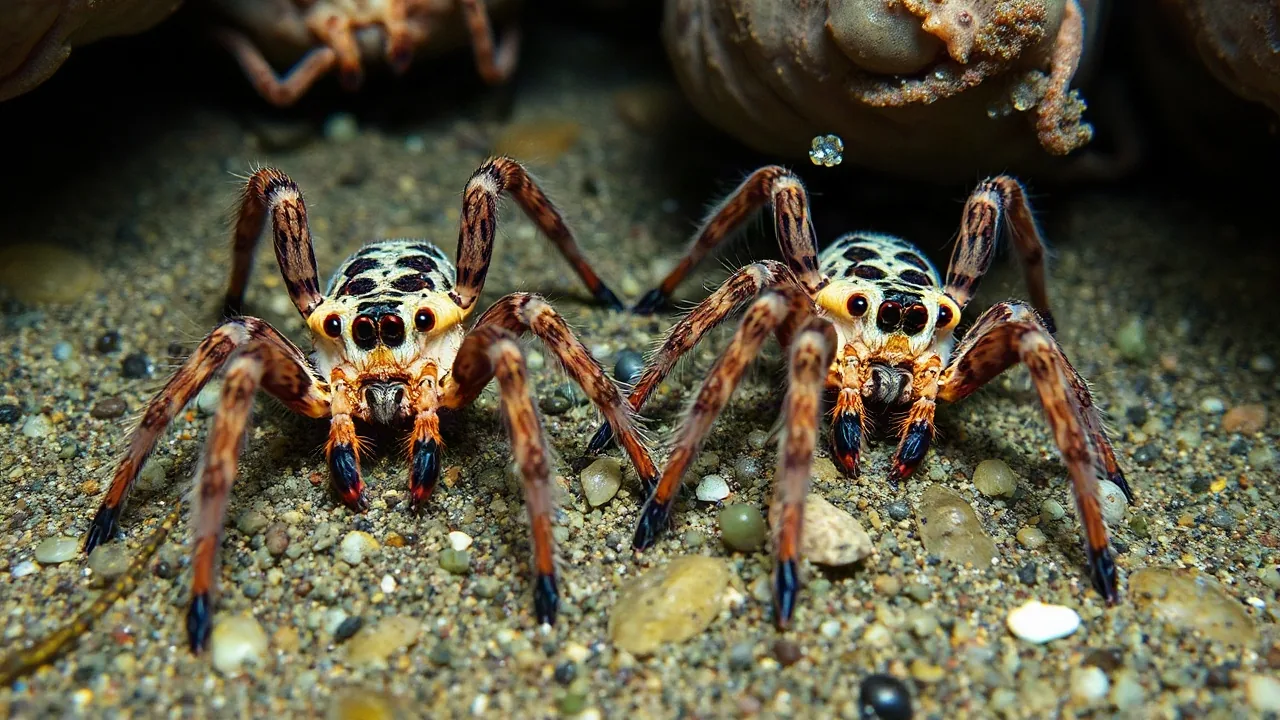
Marine biologists have identified two new species of sea spiders dwelling along the Canadian coastline, adding to the diverse array of marine life discovered in the region. The creatures, characterized by their hairy appendages and striking visual features, were found during recent expeditions in the Salish Sea, a body of water separating Vancouver Island from mainland British Columbia and Washington state.
One of the newly identified species is notable for its prominent hairy legs, three distinct lips, and vibrant red eyes, leading some observers to dub it a creature of "nightmare fuel." The other species also exhibits unique morphological traits that set it apart from known sea spider relatives. These discoveries highlight the ongoing potential for finding new species even in well-studied marine environments.
New findings offer insight into marine ecosystems
The research, led by Dr. Emily Carter of the University of British Columbia, involved extensive surveys of the seafloor using remotely operated vehicles (ROVs) and specialized collection techniques. The specimens were carefully cataloged and subjected to detailed genetic and morphological analysis, confirming their status as distinct species. Sea spiders, belonging to the class Pycnogonida, are ancient marine arthropods found in all oceans, from intertidal zones to deep-sea trenches. Despite their common name, they are not true spiders but a separate class of arachnids. Many species are parasitic, feeding on the internal organs of other marine invertebrates.
Dr. Carter expressed excitement about the discovery, stating, "Finding new species is always thrilling, but discovering two in one go, particularly in a relatively accessible area like the Salish Sea, is exceptional. It underscores how much we still have to learn about our oceans." She added that understanding the ecological roles of these sea spiders is crucial for comprehending the health and complexity of the marine ecosystem they inhabit.
The analysis revealed that one of the new species appears to be a parasite, feeding on specific types of sea anemones. Further research is planned to investigate its life cycle and its own potential parasites. This intricate relationship between organisms adds another layer of complexity to the marine food web. The discovery is part of a broader initiative to document biodiversity in Canadian coastline waters, which are under increasing pressure from human activities and climate change. Conservation efforts often rely on comprehensive data about species distribution and abundance.
The scientific community anticipates that these findings will spur further exploration in similar habitats worldwide. The identification of new species often leads to a better understanding of evolutionary processes and the interconnectedness of life on Earth. The Salish Sea, in particular, is a biodiversity hotspot, and ongoing research continues to reveal its hidden treasures.
The detailed findings are set to be published in the upcoming issue of the journal *Marine Biology*, providing comprehensive data for other researchers. This discovery serves as a vivid reminder of the vast, unexplored frontiers within our own planet's oceans and the importance of continued marine research and conservation efforts.