
EV and Autonomous Systems Reshape Urban Transit Infrastructure
Cities are overhauling transit networks to support electric vehicles and autonomous systems. New charging infrastructure, smart traffic management, and redesigned streets are redefining urban mobility.

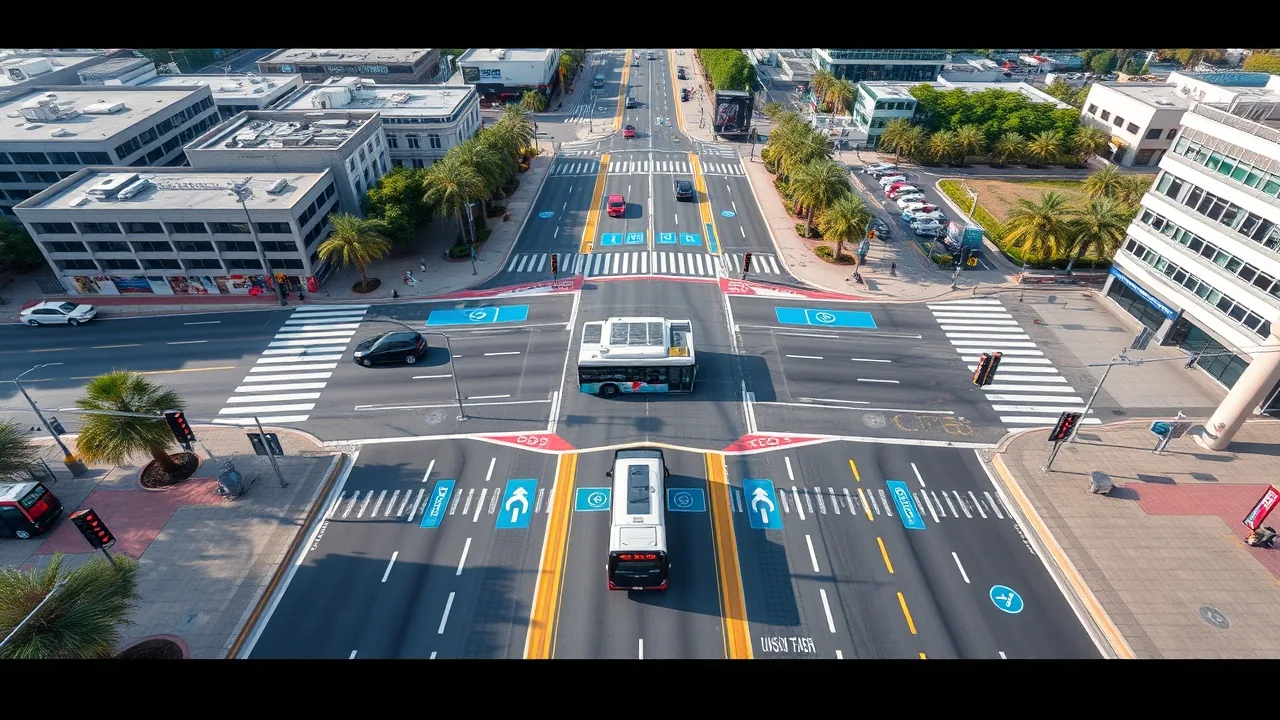
Denver's Regional Transportation District announced last week that it will deploy 500 electric buses by 2028, fundamentally altering how the city manages its transit corridors and charging infrastructure. This move reflects a nationwide shift: electric vehicles and autonomous systems are no longer theoretical endpoints but immediate pressures reshaping concrete urban planning decisions.
The transformation extends beyond bus fleets. Cities from Austin to Portland are installing dedicated smart cities hubs that coordinate real-time traffic flow, vehicle routing, and charging station availability. These systems prioritize efficiency over the car-centric infrastructure built throughout the 20th century.
The Infrastructure Demand
Electric vehicle adoption creates acute infrastructure needs. The U.S. currently has roughly 58,000 public EV charging stations, according to the Department of Energy's Alternative Fuels Data Center as of January 2025. Industry analysts project this number must reach 180,000 by 2030 to support anticipated EV market penetration.
Beyond charging stations, cities must invest in grid upgrades. Los Angeles completed a $340 million microgrid project in 2024 specifically designed to handle the power demands of district-wide EV adoption and distributed energy resources. Dr. Sarah Chen, director of the Urban Mobility Institute at UC Berkeley, noted in a recent interview: "The bottleneck isn't vehicle technology anymore. It's the electrical backbone cities inherited from the 1950s. A single commercial charging hub can draw as much power as a small neighborhood."
Road surface requirements are shifting too. Transport agencies are testing roads embedded with wireless charging coils, reducing dependency on stationary charging stations. Companies like Electreon Wireless have deployed pilot projects in Miami Beach and are expanding to three additional U.S. cities in 2025.
Autonomous Vehicles and Traffic Redesign
The prospect of autonomous vehicles creates different but equally significant planning demands. Traffic engineers must account for vehicles that communicate with each other and street infrastructure. This requires:
- Vehicle-to-infrastructure (V2I) communication systems integrated into traffic lights and road sensors
- Dedicated lanes in some corridors for autonomous shuttle services
- Real-time data centers processing millions of vehicle location points daily
- Updated traffic signal timing algorithms designed for autonomous vehicle platooning
Pittsburgh's Robotaxi Task Force, established in 2023, has redesignated 12 miles of downtown streets to accommodate autonomous vehicle testing. The city invested $85 million in sensor infrastructure and traffic management software through 2024.
Self-driving technology also reduces the need for on-street parking. A single autonomous vehicle can serve multiple users throughout the day, effectively reducing the parking footprint of urban areas by 40-60 percent, according to transport modeling. This freed-up space is being converted to parks, bus rapid transit corridors, and cycling infrastructure in forward-thinking municipalities.
Smart Cities Integration
Urban mobility systems now depend on integrated data platforms. Cities like Seattle and Atlanta have deployed comprehensive transportation management centers that unify transit, automotive traffic, bike share, and pedestrian flow into a single command environment.
These centers use AI-driven analytics to predict congestion, optimize signal timing, and alert transit agencies to infrastructure problems in real time. The software identifies bus bunching within seconds and automatically adjusts routes and frequency. Autonomous shuttles on fixed routes report road hazards immediately, triggering maintenance crews before accidents occur.
However, cybersecurity remains a critical concern. The Federal Highway Administration published updated guidelines in November 2024 requiring all transit infrastructure management systems to meet NIST standards for operational technology security. A breach could disable traffic signals or misdirect autonomous vehicles.
Funding presents another hurdle. The Infrastructure Investment and Jobs Act allocated $110 billion to transportation, but states must match 20 percent of grants locally. Smaller metropolitan areas struggle to cover this gap, potentially creating a two-tier system where affluent regions deploy advanced infrastructure while others lag.
The future of transportation isn't arriving uniformly. Chicago, Los Angeles, and Washington D.C. have greenlit major infrastructure upgrades. Rural areas and mid-size cities are waiting for technology costs to decline and clearer regulatory pathways to emerge. By 2030, the disparity between leading and lagging regions will likely intensify unless policy makers address the funding and technical capacity gap now.