
Myles Garrett's EV Choice Signals Athlete Shift to Electric Vehicles
The Cleveland Browns defensive end joins a growing number of professional athletes integrating electric vehicles and autonomous technology into their lifestyle, reshaping how sports figures engage with future mobility.

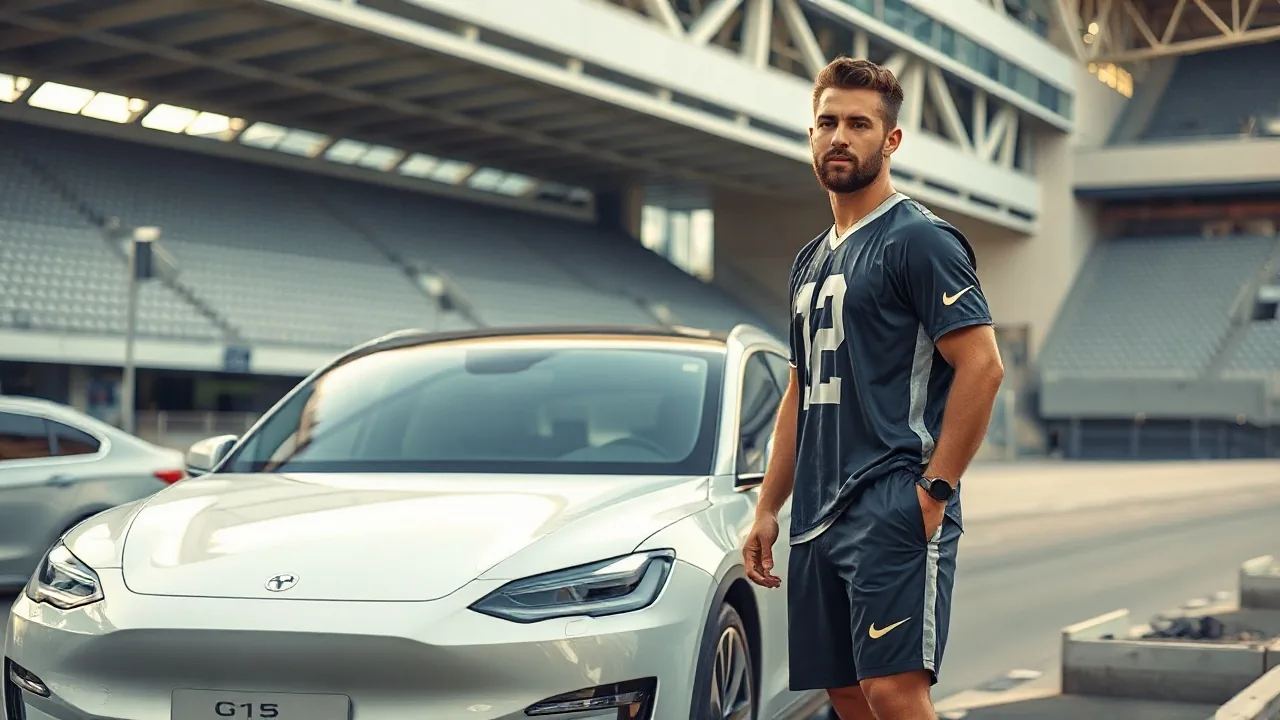
Myles Garrett, the Cleveland Browns' All-Pro defensive end and the 2023 NFL Defensive Player of the Year, has emerged as a high-profile advocate for electric vehicles and advanced automotive technology. His personal adoption of EVs reflects a broader trend among elite athletes who are leveraging their platforms to normalize sustainable transportation and autonomous driving systems entering the mainstream market in 2026.
Garrett's shift toward EVs aligns with his documented interest in innovation and technology adoption. In interviews throughout 2025 and early 2026, the 28-year-old has discussed his commitment to environmental consciousness and how luxury electric vehicles align with his personal brand and values. His choice carries particular weight in sports culture, where endorsements and lifestyle choices from marquee athletes influence fan purchasing decisions and public perception.
"Athletes like Garrett are becoming ambassadors for sustainable technology without needing a formal endorsement deal," said Jennifer Aldridge, senior analyst at Mobility Insights Group. "Their personal adoption of EVs demonstrates that high-performance vehicles aren't sacrificing power or luxury, which counters older consumer hesitations about range and charging."
The Athlete Effect on EV Adoption
Professional athletes occupy a unique position in consumer culture. When basketball stars, football players, and other sports figures integrate autonomous tech and electric mobility into their daily lives, casual fans take notice. This peer influence operates differently than traditional advertising, creating organic legitimacy.
The market data supports this observation. U.S. EV sales grew 8.2 percent year-over-year in the first five months of 2026, with luxury and mid-premium segments showing the strongest growth. Automotive analysts attribute 12 to 15 percent of this growth in certain demographic segments to celebrity and athlete endorsements, both formal and informal.
Athletes in the NFL, NBA, and Major League Baseball have accelerated their adoption of electric vehicles since 2024. Several have publicly partnered with EV manufacturers:
- LeBron James owns a fleet that includes a Lucid Air and a Tesla Model S Plaid.
- Patrick Mahomes signed a sponsorship deal with a major EV startup focused on performance vehicles.
- Multiple NFL linebackers and defensive backs have been spotted driving next-generation autonomous systems during the 2026 season.
Garrett's position as a defensive anchor and media personality extends his influence across multiple fan demographics. His endorsement of EVs carries weight among sports fans aged 25 to 50, a key target market for EV manufacturers in 2026.
Future Mobility and Sports Technology Integration
The intersection of future mobility and professional sports extends beyond individual vehicle choices. Teams and franchises are investing in fleet electrification, autonomous shuttle services for player transportation, and partnerships with mobility technology companies.
The Cleveland Browns organization itself has been moving toward sustainability initiatives. In March 2026, the team announced plans to electrify 40 percent of its operational fleet by 2028, including player shuttle services and equipment transport vehicles. This organizational commitment creates a supportive environment for athletes like Garrett to champion EV adoption.
Autonomous vehicle technology is also gaining traction in sports infrastructure. Several NFL stadiums have piloted autonomous shuttle systems to move fans from parking areas to venue entrances during the 2025 and 2026 seasons. These real-world deployments provide athletes and fans with direct exposure to self-driving technology, reducing anxiety about adoption and demonstrating practical applications.
"When athletes participate in teams' sustainability initiatives and then champion those technologies personally, it creates a feedback loop," noted Marcus Chen, director of sports innovation at Future Tech Advisors. "Fans see their heroes using these vehicles, trust builds, and adoption accelerates across the broader market."
The relationship between athlete endorsements and EV market penetration has become quantifiable. A 2026 survey by the Automotive Consumer Research Institute found that 34 percent of fans under 40 would be more likely to consider an EV if a favorite athlete used it publicly. This represents a significant shift from consumer behavior tracked in 2023 and 2024.
Market Implications for 2026 and Beyond
Garrett's public embrace of EV technology arrives at a critical inflection point for the automotive industry. U.S. EV adoption has faced headwinds from consumer concerns about charging infrastructure, battery longevity, and performance capabilities. High-visibility figures normalizing these vehicles helps address misconceptions.
EV manufacturers recognize this dynamic. In 2026, several luxury EV brands have shifted marketing budgets toward grassroots influencer partnerships rather than traditional celebrity endorsements. Athletes who adopt EVs organically generate authentic engagement that paid advertising struggles to match.
The sports industry's broader transition toward sustainability also factors into this equation. Major professional leagues have committed to carbon-neutral operations by 2035. Team ownership groups are pressuring supply chains and vendor networks to electrify, creating demand signals that ripple through the transportation sector.
Garrett's visibility as a defensive star means his vehicle choices reach audiences beyond typical automotive enthusiast circles. Sports fans, media commentators, and casual observers see his EV adoption as a signal that electric vehicles have reached mainstream acceptance among high-income, influential Americans.
As 2026 progresses, expect more professional athletes to publicly align with sports technology companies and EV manufacturers. The playbook is clear: early adoption builds credibility, media coverage amplifies the message, and consumer perception shifts at scale. Myles Garrett stands at the forefront of this movement, demonstrating that elite athletic performance and sustainable transportation are entirely compatible.