
Geologists Seek Hidden Rock Glaciers Crucial for Global Water
Scientists are using new methods to locate 'rock glaciers' – hidden underground ice formations vital for freshwater supplies. Their findings could aid water resource management in drought-prone regions.

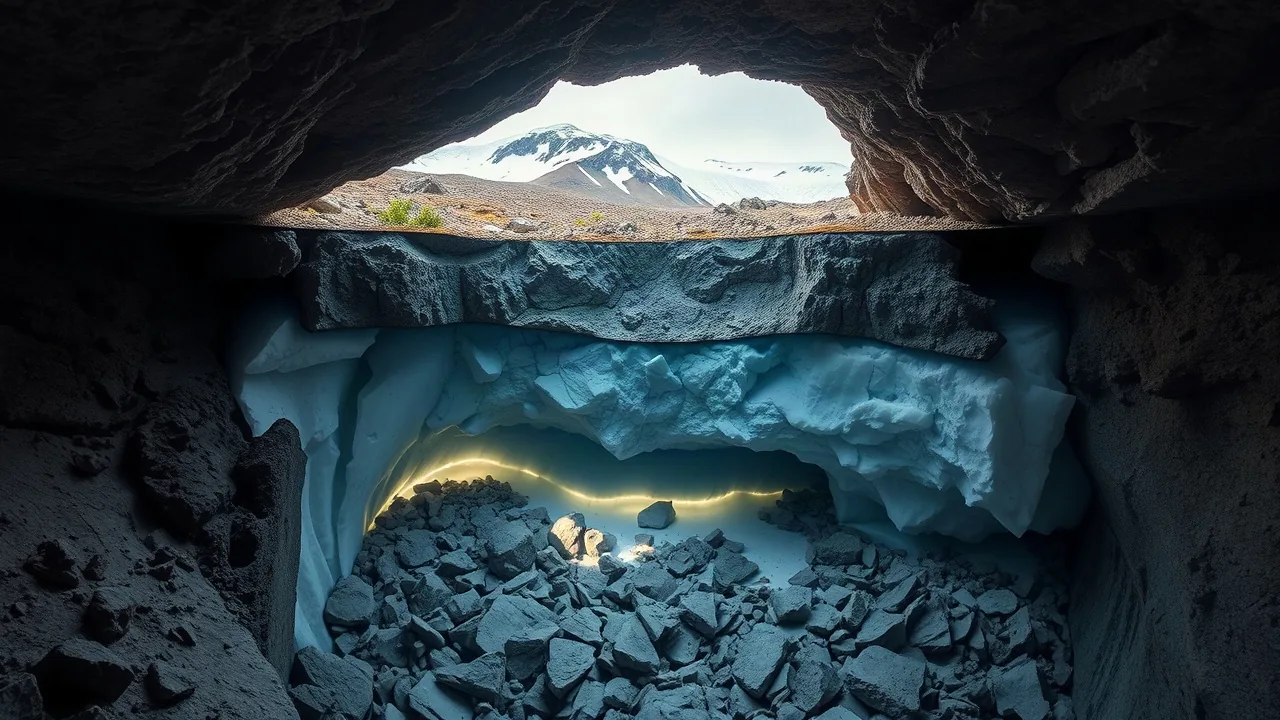
Geologists are actively searching for a specific type of underground ice deposit known as 'rock glaciers,' which play a critical role in supplying global freshwater. These camouflaged formations, often hidden beneath surface debris in mountainous areas, hold vast amounts of ice and can act as crucial water reservoirs, particularly in regions facing increasing drought conditions. Researchers are employing innovative techniques to map these subterranean ice bodies, hoping to better understand their distribution and potential as reliable water sources.
Unlike traditional glaciers that are visible on the surface, rock glaciers are complex mixtures of ice and rock debris. They form over long periods, with ice accumulating within rock and sediment. The ice within them can remain frozen for centuries, slowly flowing downhill under the immense pressure of overlying material. This slow movement releases meltwater gradually, providing a sustained water supply even during drier seasons. Understanding their prevalence and melting rates is becoming increasingly important as climate change intensifies water scarcity across the globe.
Mapping Subterranean Ice Reserves
Recent research has focused on developing non-invasive methods to detect these hidden ice masses. Traditional methods for studying glaciers often involve drilling or extensive field observation, which can be difficult and costly for accessing remote or deeply buried rock glaciers. Scientists are now leveraging technologies such as ground-penetrating radar and gravity anomaly detection to infer the presence and extent of ice beneath the surface. By analyzing subtle variations in gravity readings, for instance, researchers can identify areas where dense ice might be displacing rock.
Dr. Anya Sharma, a lead researcher at the Institute for Cryospheric Studies, explained the significance of these new approaches. "For decades, we've known rock glaciers exist and are important water stores, but locating and quantifying them has been a major challenge," Dr. Sharma stated in a recent interview. "These new geophysical techniques are revolutionizing our ability to map these vital freshwater supplies without disturbing the sensitive environments in which they are found." The team has been focusing its efforts on the arid regions of the American West, where water scarcity is a growing concern.
The ongoing megadrought affecting much of the western United States has underscored the urgent need to identify all available water resources. Rock glaciers, particularly those in mountain ranges like the Rockies and the Sierra Nevada, could represent a significant untapped resource. Their gradual release of meltwater can sustain rivers and ecosystems during prolonged dry spells, offering a buffer against severe drought impacts. However, their future is also threatened by rising global temperatures, which could accelerate melting and reduce their long-term viability as water sources.
The study of these rock glaciers is not just about finding new water; it's also about understanding the impacts of climate change on mountain ecosystems. As temperatures rise, the ice within these formations may begin to melt more rapidly, potentially leading to increased water availability in the short term but also risking the long-term stability of the formations and the surrounding landscape. Geologists are working to create detailed models that predict how these underground ice bodies will respond to future warming scenarios, providing crucial data for policymakers and water managers. This research highlights the complex interplay between geology, climate, and the essential resource of water, emphasizing the need for continued investigation and conservation efforts.