
Straus Creamery Ice Cream Recall Exposes Food Safety Tech Gap
A contamination incident at Straus Creamery in May 2026 highlights why dairy producers need real-time monitoring systems and blockchain tracking to prevent foodborne illness outbreaks.

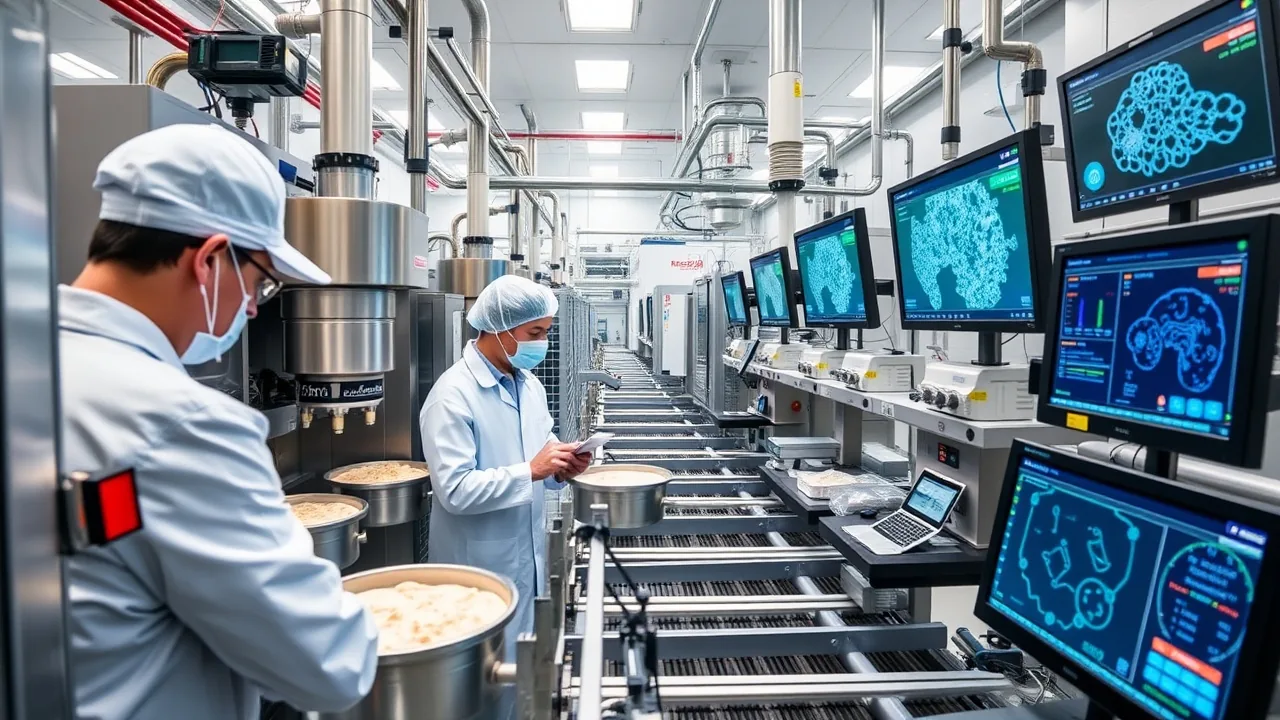
Straus Creamery, a major organic dairy processor based in Marin County, California, issued a voluntary recall of multiple ice cream products on May 12, 2026, after routine testing detected pathogenic bacteria in finished goods. The company immediately notified retailers and consumers, halting production of affected batches while investigations into the contamination source began.
The recall affected five flavors distributed across California and Oregon, with no confirmed illnesses reported as of mid-May. However, the incident underscores a persistent vulnerability in the American food supply chain: detection delays between production and consumer purchase can span weeks, meaning contaminated products remain on shelves even after manufacturers discover problems.
"Straus Creamery's swift action prevented a larger public health crisis, but it also exposes the gap between current food safety practices and what technology could deliver today," said Dr. Elena Martinez, food safety director at the Pacific Institute for Food Systems in San Francisco. "Most dairy processors still rely on batch testing after production. Real-time monitoring during manufacturing would catch contamination before it reaches packaging."
Real-Time Monitoring and the Case for Preventive Tech
The Straus incident occurred despite the facility holding organic certification and maintaining a strong safety record. This is not a story of negligence but of system limitations. Conventional testing protocols require samples to be collected, transported to labs, analyzed, and results reported back to production—a process that typically takes 24 to 72 hours.
During that window, production continues. If contamination is found, the manufacturer must then trace which products were made during the affected window, issue recalls, and coordinate with distributors. By then, inventory has already left the facility.
Modern food technology platforms now offer solutions that were experimental five years ago:
- In-line pathogen sensors that detect bacterial presence within minutes using ATP bioluminescence or immunological markers.
- Environmental monitoring systems that continuously sample air and surfaces, feeding data to cloud dashboards.
- Machine learning models that predict contamination risk based on humidity, temperature, and equipment sensor logs.
- Blockchain-enabled supply chain records that timestamp every batch and link to test results, making recalls instantaneous and precise.
Straus Creamery has not disclosed whether any of these systems were in place during the May incident. The company's statement emphasized its commitment to food safety and cooperation with California Department of Food and Agriculture investigators.
Organic Dairy and the Green Tech Intersection
Straus Creamery is notable in the American dairy landscape: it operates as a worker-owned cooperative and is certified organic, meaning its production avoids synthetic pesticides and antibiotics. The facility has long positioned itself as a leader in sustainability within industrial food production.
Yet sustainability and safety are not always aligned in practice. Organic processors face unique constraints. They cannot rely on certain antimicrobial additives approved for conventional dairies. Their supply chains often emphasize local sourcing, which can mean less control over raw milk testing protocols at supplier farms.
This is where green tech innovations offer a path forward. Ice cream recall prevention is no longer just about testing frequency. It requires integrated systems that monitor the entire production environment and flag anomalies in real time, without introducing synthetic chemicals or increasing waste.
Companies like SafetyLync and FoodChain Intelligence have deployed AI-driven environmental monitoring specifically designed for organic and natural food producers. These platforms integrate with existing equipment, require minimal retrofitting, and generate minimal additional waste.
Industry Response and Regulatory Pressure
The Straus case arrives as the FDA ramps up scrutiny of dairy safety following two multi-state contamination events in 2024 and 2025. The agency has signaled that food producers must adopt verifiable, technology-enabled preventive measures by 2028 or face stricter licensing requirements.
Major retailers including Whole Foods and Sprouts have already begun requiring suppliers to implement third-party audited monitoring systems or face delisting. This regulatory and market pressure is accelerating adoption among mid-sized producers like Straus.
"Five years ago, upgrading food safety systems meant hiring more lab technicians," noted James Chen, supply chain analyst at AgriTech Insights in Oakland. "Today it means investing in sensors and data infrastructure. The math has flipped. Upfront capital costs are lower, and you catch problems faster."
Straus Creamery's parent cooperative has committed to a comprehensive safety upgrade, including installation of automated environmental sampling and blockchain-enabled batch tracking by Q4 2026. The cost is estimated at $2.3 million, a significant investment for a processor generating $85 million in annual revenue, but one that the board determined was necessary to maintain market access and consumer trust.
The broader lesson is clear: food safety technology is no longer a luxury or marketing differentiator. It is becoming a compliance requirement. Producers that integrate real-time monitoring, environmental sensing, and supply chain transparency into their operations will not only prevent recalls but also reduce waste, improve efficiency, and strengthen their competitive position as consumer demand for safe, sustainably sourced food continues to grow.