
Yellowstone Supervolcano Eruption: Scientists Detail Catastrophic Global Impact
A new study outlines the devastating global consequences of a hypothetical Yellowstone supervolcano eruption, including widespread ashfall, a volcanic winter, and potential mass starvation.

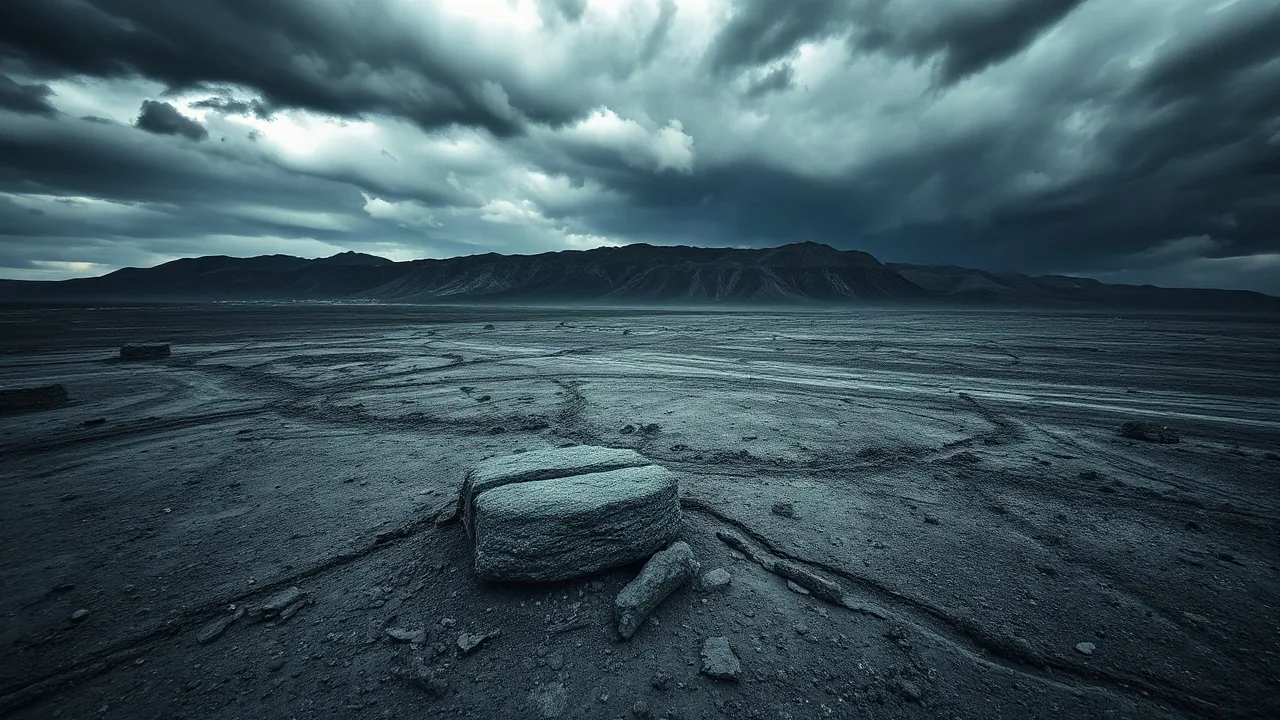
Scientists have detailed the catastrophic chain of events that would follow a massive eruption of the Yellowstone supervolcano, projecting devastating impacts across the globe. The hypothetical scenario, analyzed by researchers, paints a grim picture of widespread ashfall, dramatic climate change, and potential mass starvation affecting billions of people.
The eruption itself would release an immense volume of ash and toxic gases into the atmosphere. Initial projections suggest that large parts of North America would be blanketed in several feet of ash, rendering infrastructure unusable and agricultural land barren for years. This immediate devastation would be followed by a more insidious threat: a prolonged volcanic winter.
Global Climate Collapse and Mass Starvation
The sheer volume of volcanic material ejected into the stratosphere would block sunlight, causing global temperatures to plummet. This dramatic cooling, often referred to as a volcanic winter, could last for decades, severely disrupting ecosystems and global agriculture. The report estimates that crop yields could decrease by as much as 70-80% in affected regions, leading to widespread food shortages and famine. The study estimates that such a scenario could result in as many as 1.3 billion premature deaths due to starvation and related complications.
The scale of destruction extends beyond immediate environmental effects. The collapse of global supply chains, economic instability, and mass migrations would likely follow, exacerbating the humanitarian crisis. The research highlights the interconnectedness of the global system and its vulnerability to such extreme natural disasters. While the probability of a supervolcano eruption in any given year is exceedingly low, understanding the potential consequences is crucial for preparedness and risk assessment.
This latest analysis builds upon previous scientific assessments of volcanic risks, utilizing advanced modeling to explore the cascading effects of a Yellowstone eruption. The findings underscore the importance of continued monitoring of geological activity and the development of resilient systems capable of withstanding unforeseen global catastrophes. The long-term survival of human civilization could depend on our ability to mitigate and adapt to such extreme events.