
Apple AirPods With Cameras: AI Features Near Production
Apple is reportedly developing AirPods equipped with integrated cameras to power advanced AI capabilities. The wearable innovation could reshape how users interact with spatial computing and real-world data.

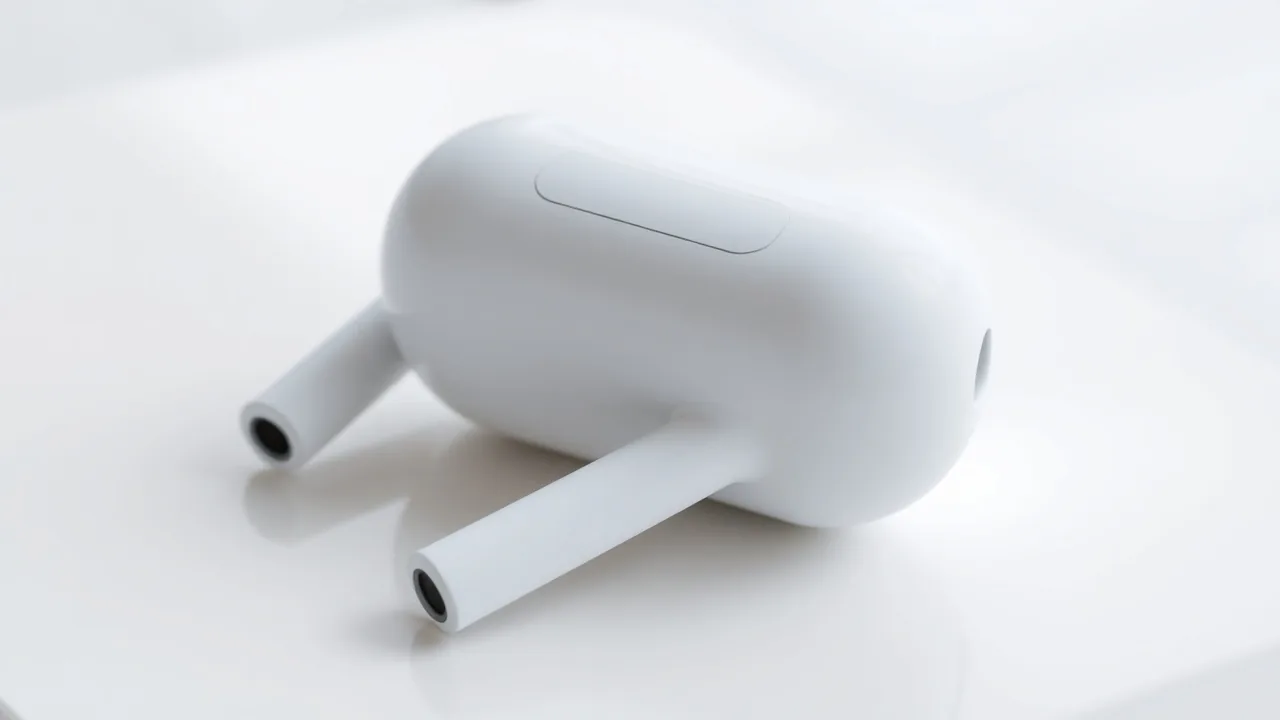
Apple's product development pipeline includes a camera-equipped variant of its flagship AirPods, according to supply chain sources tracking the company's hardware roadmap. The move signals a strategic pivot in how the tech giant envisions wearable technology integrating with artificial intelligence, potentially bringing visual AI features directly to the ear-worn form factor.
The integrated cameras would enable real-time visual processing without requiring users to hold a separate device. Apple has been filing patents related to camera-augmented earbuds since 2021, with claims covering everything from hand gesture recognition to environmental analysis during calls.
"Camera integration into ultra-compact form factors like earbuds represents the next frontier for AI interaction," said analyst Ming-Chi Kuo of TF International Securities in a December 2024 investor note. "Apple's engineering strengths in miniaturization position them uniquely to execute this transition."
Technical Specifications and AI Capabilities
The camera module would be embedded in the outer surface of the AirPods themselves, likely replacing or supplementing existing microphone arrays. This placement allows the device to capture the wearer's point-of-view without hand positioning.
AI features expected to leverage these cameras include:
- Real-time translation of text in the user's field of vision
- Product identification and price comparison during shopping
- Accessibility enhancements for visually impaired users
- Environmental hazard detection and alerts
- Hand gesture recognition for silent commands
The processing would likely occur through Apple's A-series chip architecture, possibly with on-device computation to minimize latency and preserve privacy. Offloading some tasks to cloud infrastructure via Private Cloud Compute could balance performance with battery constraints inherent to earbuds.
Power consumption remains a critical engineering hurdle. Current-generation AirPods Pro provide five hours of active battery life. Adding camera sensors and expanded AI processing could reduce this window significantly unless breakthrough battery technology accompanies the hardware upgrade.
Production Timeline and Market Context
Supply chain indicators suggest Apple AirPods with camera functionality could enter limited production by mid-2025, with broader availability potentially arriving in the 2026 fiscal year. The timeline aligns with Apple's typical product maturation cycles and regulatory approval processes.
This development emerges as Apple competes against other manufacturers exploring hardware innovation in spatial computing. Meta's Ray-Ban Stories glasses have demonstrated consumer appetite for camera-equipped wearables, though privacy concerns have tempered mainstream adoption.
Google has experimented with AI-powered glasses prototypes that perform real-time translations and object recognition. Amazon's ambient computing initiatives suggest the category will expand rapidly over the next 24 months. Apple's entry would legitimize the segment and likely drive faster consumer migration toward camera-enabled wearables.
Pricing for camera-equipped AirPods variants remains speculative, but analysts expect a premium positioning above current Pro models, which retail at $249. A likely entry price of $350-$400 would reflect the added optical and computational components.
Regulatory scrutiny will accompany any launch. Recording laws vary by state; some jurisdictions require all-party consent before audio capture occurs. Apple would need to implement geolocation-aware consent mechanisms and perhaps physical indicators when the camera is actively processing.
Why Privacy Concerns Will Define Success
The most significant obstacle to mainstream adoption is consumer trust. Continuous camera operation on a device worn throughout daily life creates psychological discomfort for many users. Public opposition to surveillance-capable consumer electronics remains strong following years of smartphone privacy debates.
Apple has historically leveraged privacy commitments as a competitive advantage, touting end-to-end encryption and on-device processing as core tenets. The company's approach to camera-equipped earbuds will need to demonstrate that visual data never leaves the device without explicit user consent.
Competitor implementations may serve as cautionary tales. Ray-Ban's camera glasses have faced backlash in restaurants, elevators, and other spaces where people expect privacy. Apple would need clear physical indicators that the camera is active, perhaps an LED ring or haptic feedback when recording begins.
Employee training and retail messaging will prove equally critical. Sales staff must articulate the privacy framework transparently so customers understand what data stays local versus what integrates with cloud services. Mishandled communication could trigger regulator investigations and user boycotts.
The future gadgets market increasingly faces hardware-level scrutiny from privacy advocates. Apple's ability to navigate this tension will likely determine whether camera-equipped wearables become mainstream or remain a niche product class.