
Google Unveils 'Googlebook' Laptops Designed for Android Users
Google has launched new "Googlebook" laptops, priced starting at $899, designed to offer enhanced integration with Android smartphones. These devices aim to bridge the gap between mobile and desktop experiences.

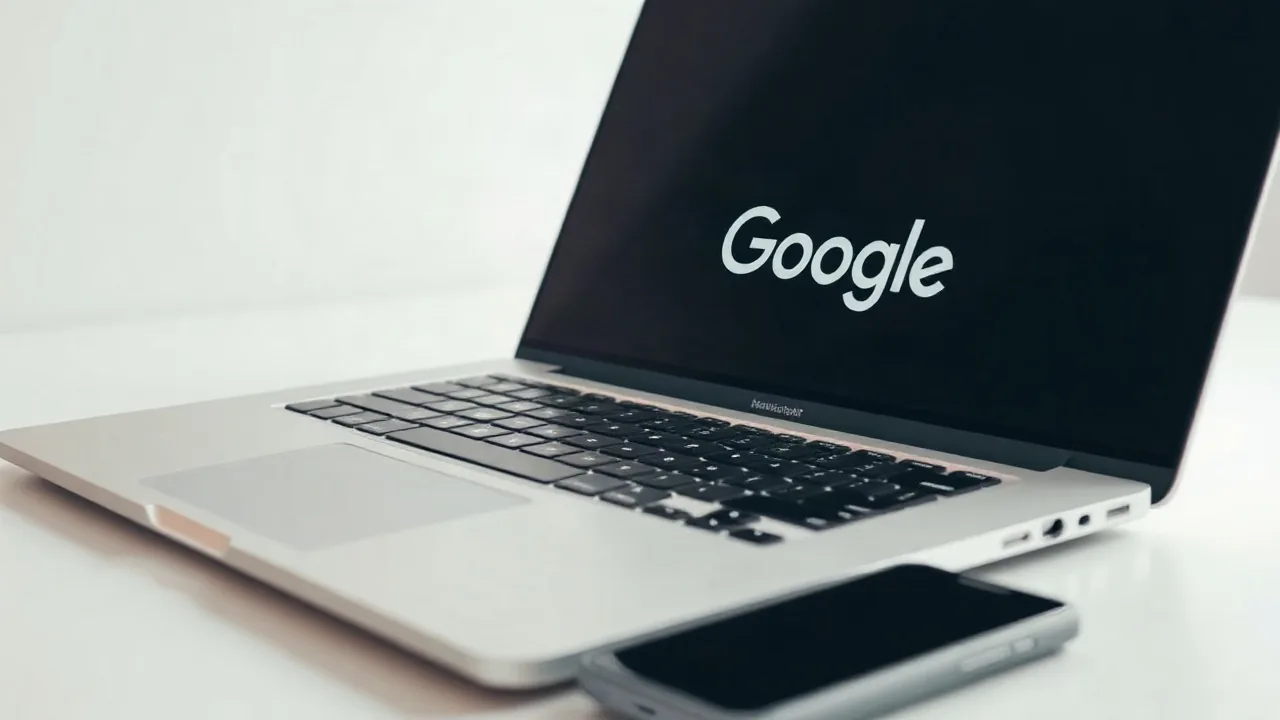
Google has officially entered the laptop market with the introduction of its "Googlebook" line, a series of computers specifically engineered to enhance the user experience for Android smartphone owners. Priced starting at $899, these new laptops are a significant push by the tech giant to create a more cohesive ecosystem between its mobile and desktop products. The announcement, confirmed by Google and reported by multiple tech outlets, highlights a strategic move to leverage the vast Android user base.
The "Googlebook" laptops promise seamless integration with Android devices, offering features like easier file sharing, app continuity, and unified notifications. This initiative aims to address a long-standing desire among Android users for a more integrated computing experience, akin to the synergy Apple users enjoy between their iPhones and MacBooks. Early reports suggest the hardware is being developed in partnership with various manufacturers, allowing Google to focus on software integration and user experience.
Bridging the Mobile-Desktop Divide
For years, the idea of a "Googlebook" – a laptop designed from the ground up to complement an Android phone – has been a recurring topic in tech discussions. This launch appears to be Google's most concrete effort to date to realize that vision. The company is betting that by offering hardware that works exceptionally well with the devices many people already own, it can capture a significant share of the laptop market. The emphasis on core Android functionalities means users can expect a familiar interface and robust support for the applications they rely on daily.
The strategic importance of these devices extends beyond just hardware sales. A more integrated ecosystem could lead to increased engagement with Google's services, from cloud storage to productivity suites. "We believe there's a significant opportunity to create a computing experience that feels natural for Android users," a Google spokesperson stated in a press release. "The Googlebook is designed to make the transition between your phone and your laptop effortless, enhancing productivity and creativity."
Industry analysts view this move as a direct challenge to established players in the laptop market, particularly those that have also focused on mobile-device integration. With a starting price point that positions the Googlebook in the mid-to-high range of the consumer laptop market, Google is targeting users who value connectivity and a streamlined digital life. The specific hardware partners involved in the manufacturing of the Googlebooks have not yet been fully disclosed, but the company has indicated that a range of configurations will be available to cater to different user needs and budgets.
The success of the Googlebook initiative will likely depend on how well it delivers on its promise of superior Android integration. Early reviews are expected to focus on the ease of use, the reliability of the syncing features, and the overall performance when running Android applications. If Google can successfully foster this interconnectedness, it could redefine user expectations for laptop ecosystems and further solidify its position across the entire digital landscape.