
iPhone 18 Launch: Base Model Delayed to Early 2027
Apple's base iPhone 18 model and the rumored iPhone 18e are reportedly delayed until the first quarter of 2027, according to supplier Pegatron. The iPhone 18 Pro series and a foldable device are still expected this fall.

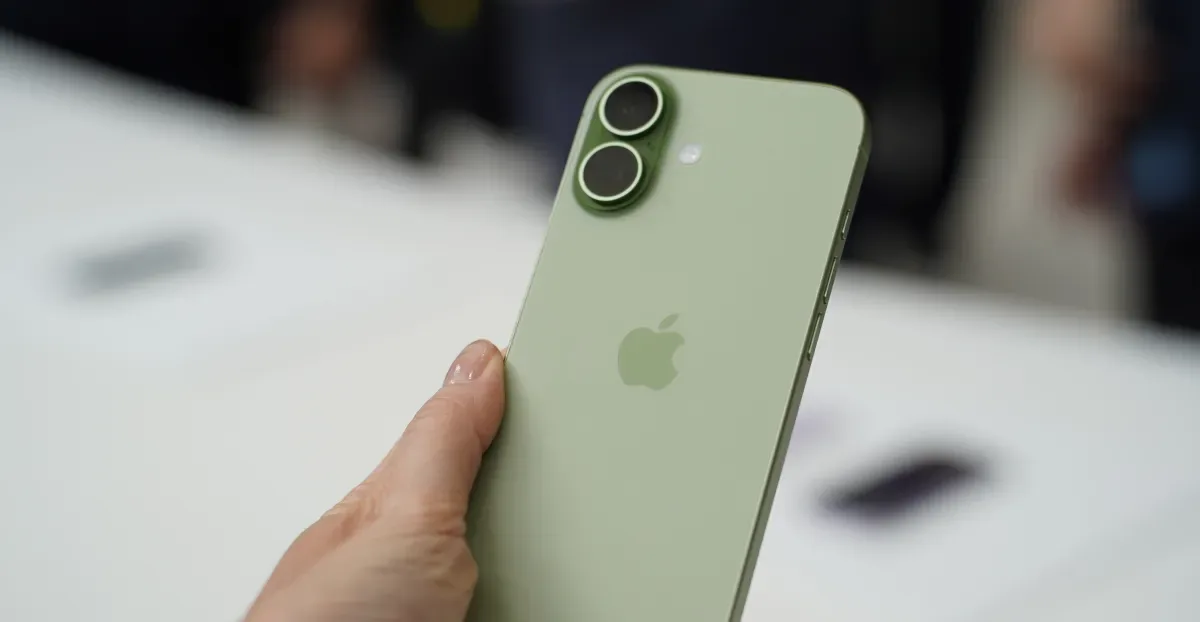
Apple's upcoming base model iPhone 18 is slated for a delayed launch, not appearing until the first quarter of 2027, according to a report citing executives from Apple supplier Pegatron. While the premium iPhone 18 Pro and Pro Max models are still expected to debut this fall, the less expensive iPhone 18 and the rumored iPhone 18e are part of a strategic shift by Apple to align with supply chain realities and maximize profit margins.
The confirmation from Pegatron executives, shared during an earnings call and reported by Economic Daily News, aligns with persistent rumors that have circulated for over a year. Prominent analysts, including Ming-Chi Kuo, and publications like The Information, previously indicated that Apple was planning a phased rollout for its 2027 iPhone lineup. This strategy appears to be driven by ongoing challenges related to memory and chip shortages, forcing manufacturers to carefully manage component distribution. By prioritizing higher-margin Pro models for the critical fall launch window, Apple aims to optimize its financial performance amidst these supply constraints.
Supply Chain Adjustments and Profit Margins
The decision to delay the base iPhone 18 and potentially introduce an "iPhone Air" alongside the iPhone 18e in early 2027 reflects a broader industry trend of adapting to supply chain volatility. Pegatron executives reportedly highlighted that memory and chip shortages are leading to a redistribution of peak shipping seasons. This means Apple, like other tech giants, is carefully allocating its available parts, with a clear emphasis on the more profitable devices. Higher-priced models, such as the iPhone 18 Pro series, typically command larger profit margins, making them the immediate focus for supply chain efforts.
This staggered launch approach could also be an effort to manage consumer demand and inventory more effectively. By ensuring a robust supply of its flagship Pro models for the holiday season, Apple can capture a significant portion of high-end consumer spending. Subsequently, releasing the more budget-friendly options in the first quarter of the following year could help sustain sales momentum into early 2027. This strategy deviates from Apple's typical annual fall iPhone refresh cycle, which has historically seen all new models released simultaneously.
Beyond the iPhone 18 lineup, reports also suggest that Apple is preparing to launch its anticipated "Ultra" foldable device this fall. This device, if it materializes, would represent Apple's entry into the burgeoning foldable smartphone market, a segment currently dominated by competitors like Samsung. The timing of its release alongside the iPhone 18 Pro models would signal a busy product launch period for the tech giant, albeit with a bifurcated strategy for its smartphone offerings.
The implications of this delayed launch extend to consumers and the competitive landscape. For those anticipating an upgrade to a standard iPhone 18, the wait will be considerably longer. This could influence purchasing decisions, potentially driving some consumers towards older models or competing Android devices. However, for Apple, the strategic focus on higher-margin products suggests a continued emphasis on profitability and market positioning in a challenging global manufacturing environment. The shift underscores the intricate balance companies must strike between product innovation, consumer demand, and the practicalities of global component sourcing.