
iPhone Duo and Galaxy Z Fold 8 Cameras Compared
A camera comparison between Apple's iPhone Duo and Samsung's Galaxy Z Fold 8 reveals distinct differences in tone, detail, and color reproduction.

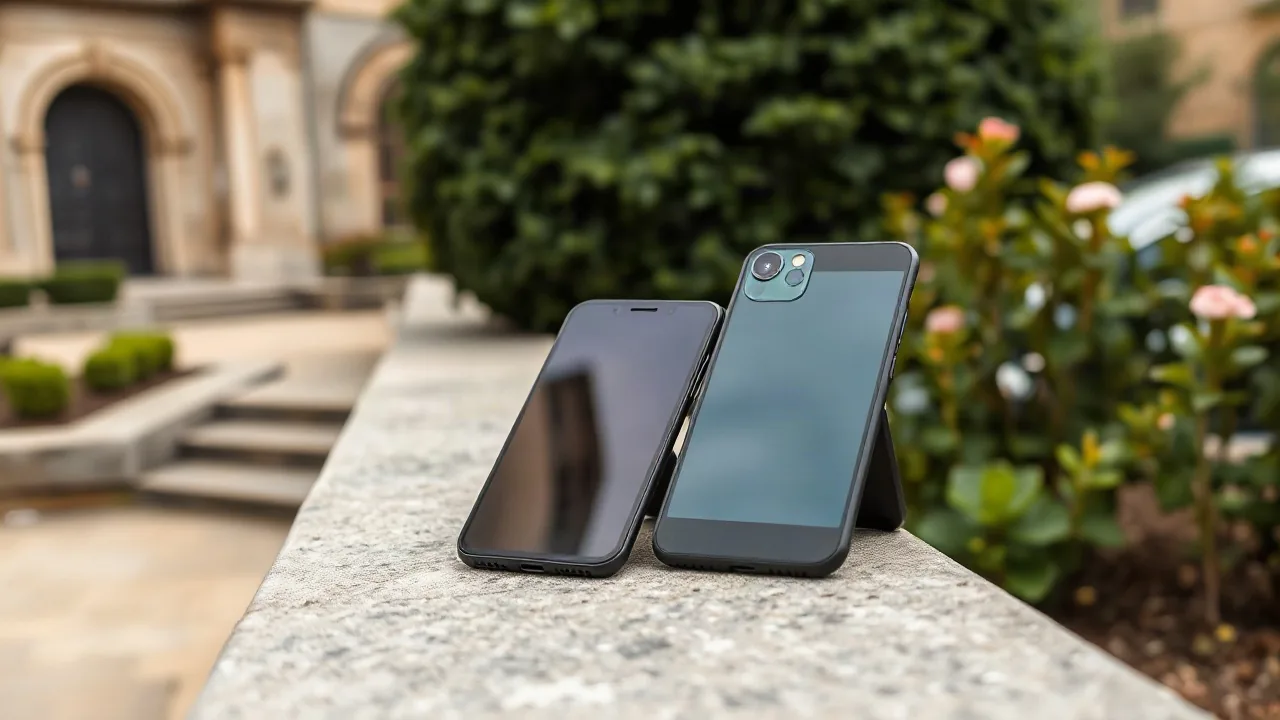
A camera evaluation pitting Apple's iPhone Duo against Samsung's Galaxy Z Fold 8 highlights how these two book-style foldables handle photography. Both devices feature a passport-size design, two rear cameras, and similar battery capacities, but their photographic styles differ. The iPhone Duo starts at $1,999 for 256GB of storage, while the Galaxy Z Fold 8 starts at $1,900 for the same storage level. Neither foldable includes a telephoto camera, and their wide and ultra-wide lenses lack the advanced optical zoom and larger main-camera sensors found on premium non-folding options like the iPhone 18 Pro and Galaxy S26 Ultra.
Despite lacking telephoto lenses, both foldables feature capable hardware. The iPhone Duo comes equipped with a 48-megapixel wide camera, a 48-megapixel ultrawide camera, a 12-megapixel cover screen selfie camera, and a FaceTime camera on the inner display. Meanwhile, the Galaxy Z Fold 8 packs a 50-megapixel wide camera, a 50-megapixel ultrawide camera, and 10-megapixel selfie cameras on both the cover and inner displays.
Camera Performance and Image Quality
Testing both foldables at Filoli, a historic house and garden in the San Francisco Bay Area, revealed distinct processing tendencies. Photos captured on the iPhone Duo often lean toward warmer tones, richer colors, and deeper shadows. For instance, when shooting foliage and garden benches, the iPhone tended to cast a warmer glow and preserve stone and flooring details effectively. On the other hand, the Galaxy Z Fold 8 frequently produced brighter images with neutral tones, sharper lines in tree bark, and more vibrant blues and greens in skies and flowers, though occasionally at the expense of finer background details.
Ultimately, choosing between the two camera systems comes down to personal preference regarding color temperature, shadow depth, and background blur handling.