
Pixel 11 vs. Samsung Galaxy: Which Premium Phone Offers Better Value in 2026?
Google's upcoming Pixel 11 series may rival Samsung's Galaxy lineup in price, shifting the value proposition from cost to software and AI features. The comparison highlights differing strengths in hardware and user experience.

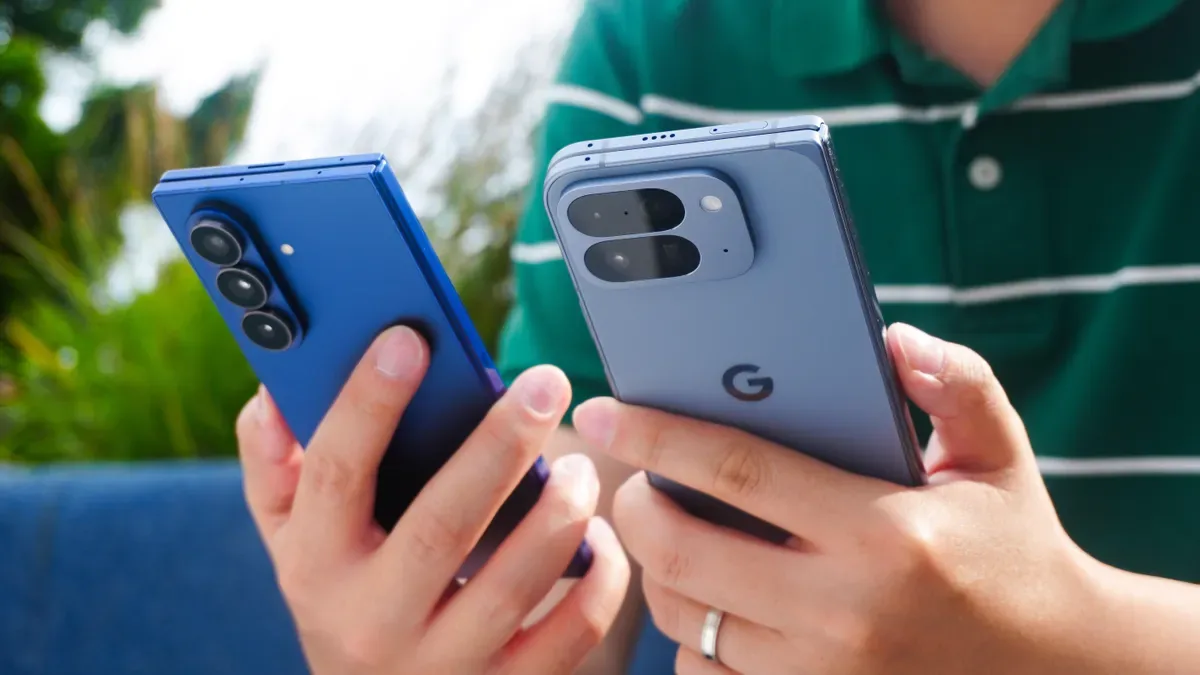
Google is poised to launch its next generation of Pixel smartphones, the Pixel 11 series, on August 12, potentially challenging established notions of value in the premium phone market. With leaked pricing suggesting a significant increase that mirrors Samsung's Galaxy lineup, the emphasis is shifting from affordability to the unique software and AI capabilities that Google Pixel devices offer. Preorders are expected to open on August 12, with a retail release anticipated for August 20.
The rumored pricing for the Pixel 11 series places it squarely against Samsung's latest offerings. Reports indicate the standard Pixel 11 could start at $899, the Pixel 11 Pro at $1,099, and the Pixel 11 Pro XL at $1,299. The foldable Pixel 11 Pro Fold is rumored to be priced at $1,899. These figures represent a notable price jump from previous Pixel generations, with the Pixel 11 and Pixel 11 Pro seeing a $100 increase, though they are expected to double their base storage to 256GB. The Pixel 11 Pro XL and Pro Fold would also increase by $100 while maintaining 256GB of storage.
This pricing strategy brings Google's next-generation phones into direct competition with Samsung's Galaxy S26 series, which launched earlier in 2026. The 256GB Galaxy S26 starts at $899.99, the S26+ at $1,099.99, and the S26 Ultra at $1,299.99. Samsung's foldable, the Galaxy Z Fold 8, is priced at $1,899.99, with the larger Z Fold 8 Ultra beginning at $2,099.99. This parity in pricing suggests that the decision between a Pixel and a Galaxy device will increasingly depend on factors beyond just the initial cost.
Hardware vs. Software Strengths
While specifications remain subject to change until Google's official announcement, current leaks and industry knowledge provide a basis for comparison. Samsung's Galaxy S26 series is known for its robust hardware, often featuring cutting-edge processors like the Snapdragon 8 Elite Gen 5 for Galaxy, high-resolution displays, and versatile camera systems. The Galaxy S26 Ultra, for example, boasts a 6.9-inch QHD+ display, a 5,000mAh battery, and a 200MP main camera sensor, alongside integrated S Pen functionality. Samsung also often leads in fast-charging technology, with some models supporting up to 60W charging.
In contrast, the Pixel 11 series is expected to be powered by Google's Tensor G6 processor. These chips are specifically engineered for AI and computational photography, promising exceptional image quality and intelligent software features. While perhaps not always matching Samsung in raw processing power or charging speeds, Tensor chips enable unique functionalities. Rumors suggest the standard Pixel 11 will feature a 6.3-inch OLED display and three rear cameras, while Pro models will offer enhanced displays and camera configurations. Charging speeds for the Pixel 11 are anticipated to reach up to 55% in about 30 minutes with 30W to 45W USB-C adapters, powered by a battery around 4,985mAh.
The comparison extends to the foldable market. If the Pixel 11 Pro Fold's rumored $1,899 price holds, it will be on par with the Galaxy Z Fold 8. Samsung's foldable features a 7.6-inch internal display and a 201g design, while the Pixel foldable is expected to sport an 8-inch inner screen and a 6.4-inch outer display, with a battery capacity around 4,800mAh.
The core differentiator for the Pixel lineup has historically been its software experience. Google's tight integration of hardware and software allows for rapid delivery of Android updates and exclusive features known as Pixel Drops. For instance, Android 17 rolled out first to Pixel devices, bringing enhancements like App Bubbles and improved gaming capabilities. Pixel Drops introduce features such as Call Screen, Magic Cue, and advanced camera tools like Best Take, powered by the Tensor chip. This streamlined experience, often characterized by fewer pre-installed third-party applications and a focus on Google's own services, appeals to users seeking a pure Android environment.
While Samsung also receives timely Android updates and enhances the experience with its One UI interface, features like DeX and Knox security, some users find the additional layers can feel less streamlined. Google's approach, though also including its Workspace apps, generally allows for easier removal of pre-installed software. Furthermore, purchasing a new Pixel device often comes with bundled offers such as Google AI Pro subscriptions and expanded Google One storage, adding tangible value beyond the device itself.
As Google prepares to unveil the Pixel 11 series, the competition with Samsung's Galaxy lineup intensifies. The shift in Pixel's pricing strategy suggests that the value proposition is moving from being a budget-friendly alternative to a premium contender defined by its software, AI capabilities, and exclusive features. For consumers prioritizing a clean Android experience and early access to Google's latest innovations, the Pixel 11 series will likely remain a compelling choice, even at a higher price point. Conversely, those who value top-tier hardware specifications and extensive customization options may continue to lean towards Samsung.