
New Google Accounts Face 5GB Storage Limit, Impacting Photos & Video
Google is testing a reduced 5GB free storage limit for new accounts in some regions, a significant cut from the previous 15GB. This change primarily affects multimedia storage, pushing users towards paid plans.

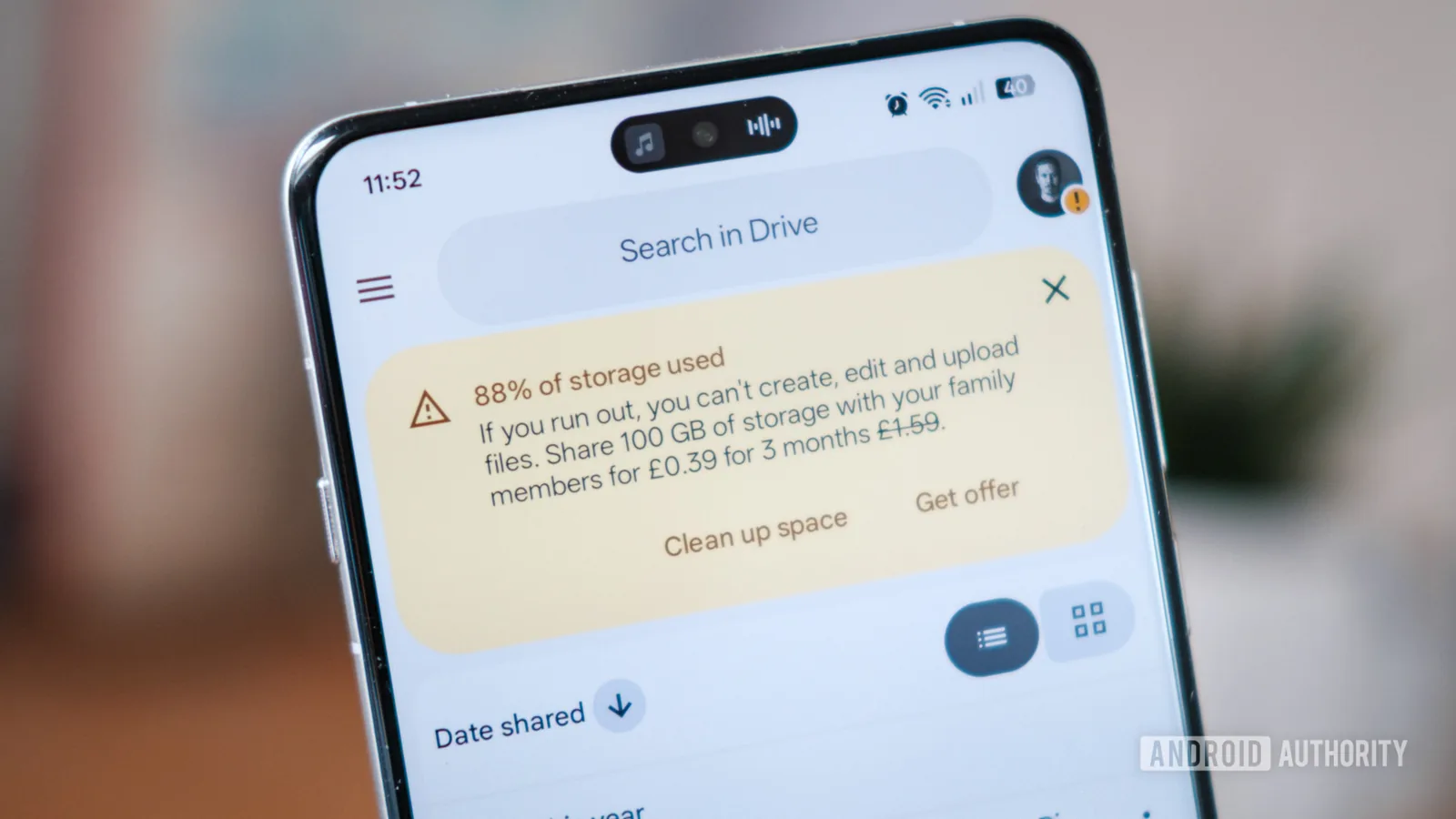
Google is currently experimenting with a significantly reduced free storage limit of 5GB for newly created accounts in select regions. This move represents a steep drop from the long-standing 15GB free tier that existing users continue to enjoy. While it remains uncertain if this new, lower cap will become a permanent global standard for all future sign-ups, the alteration signals Google's strategy to make its free cloud storage less accommodating over time unless users agree to verify their identity, often through providing a phone number.
For individuals needing a secondary account for personal projects, a backup email address, or simply wishing to avoid linking their phone number to another online service, understanding the practical implications of this 5GB limit is crucial. The question arises: how far can this reduced storage space actually extend before users are prompted to upgrade to a paid Google One plan?
Analyzing personal usage patterns provides a clearer picture. While 11,000+ emails accumulated over a decade occupy approximately 941MB, averaging a modest 86 KB per message, this volume translates to over 58,000 emails within a 5GB limit. This suggests that for email-centric usage, the 5GB tier remains quite generous, even for users who receive a substantial number of messages. Similarly, document storage, where individual files like text documents, spreadsheets, and PDFs are typically small, also presents a favorable outlook. Over 10,000 such documents could theoretically be stored within the 5GB allocation, provided they are not overly large or media-rich PDFs.
Multimedia Storage Presents Key Challenge
The primary area where the 5GB storage limit begins to show its restrictiveness is in the handling of multimedia files. A standard 12MP JPEG photo, averaging around 4MB, would consume the limit after roughly 1,250 images. Modern smartphones, however, often capture higher-resolution images that can average 12MB or more, drastically reducing the number of photos that can be stored to approximately 415. The impact on video storage is even more pronounced. A 1080p video at a moderate 10 Mbps bitrate consumes about 75MB per minute, allowing for just over an hour of footage within the 5GB cap. For higher-quality 4K video at 40 Mbps, storage is consumed at a rate of 300MB per minute, meaning users would exhaust their 5GB limit in about 15 minutes.
The implications extend to other popular cloud-dependent services. For instance, WhatsApp chat history backups, a common use of cloud storage, can become impractical. A user with significant GIF usage might find their WhatsApp backup alone consuming over 2GB, rendering the 5GB limit insufficient for those with heavy chat histories or media-rich conversations. This change effectively pushes moderate to heavy users, especially those relying on cloud backups for photos, videos, and app data, towards paid storage solutions.
Google’s decision to trial a lower free storage tier is likely influenced by the escalating costs of providing vast amounts of free cloud storage in the current internet landscape. By making the free tier more restrictive, particularly for data-intensive applications like multimedia backups, Google incentivizes users to opt for its Google One subscription service. While 5GB may suffice for basic email and document needs, users requiring more robust storage for media or extensive data backups will likely find themselves needing to upgrade.