
Ancient Human DNA Found on Cave Walls Could Rewrite Prehistoric Art History
Scientists have successfully extracted ancient human DNA from cave wall pigments for the first time. This groundbreaking discovery could offer new insights into the lives of prehistoric artists and their movements within ancient caves.

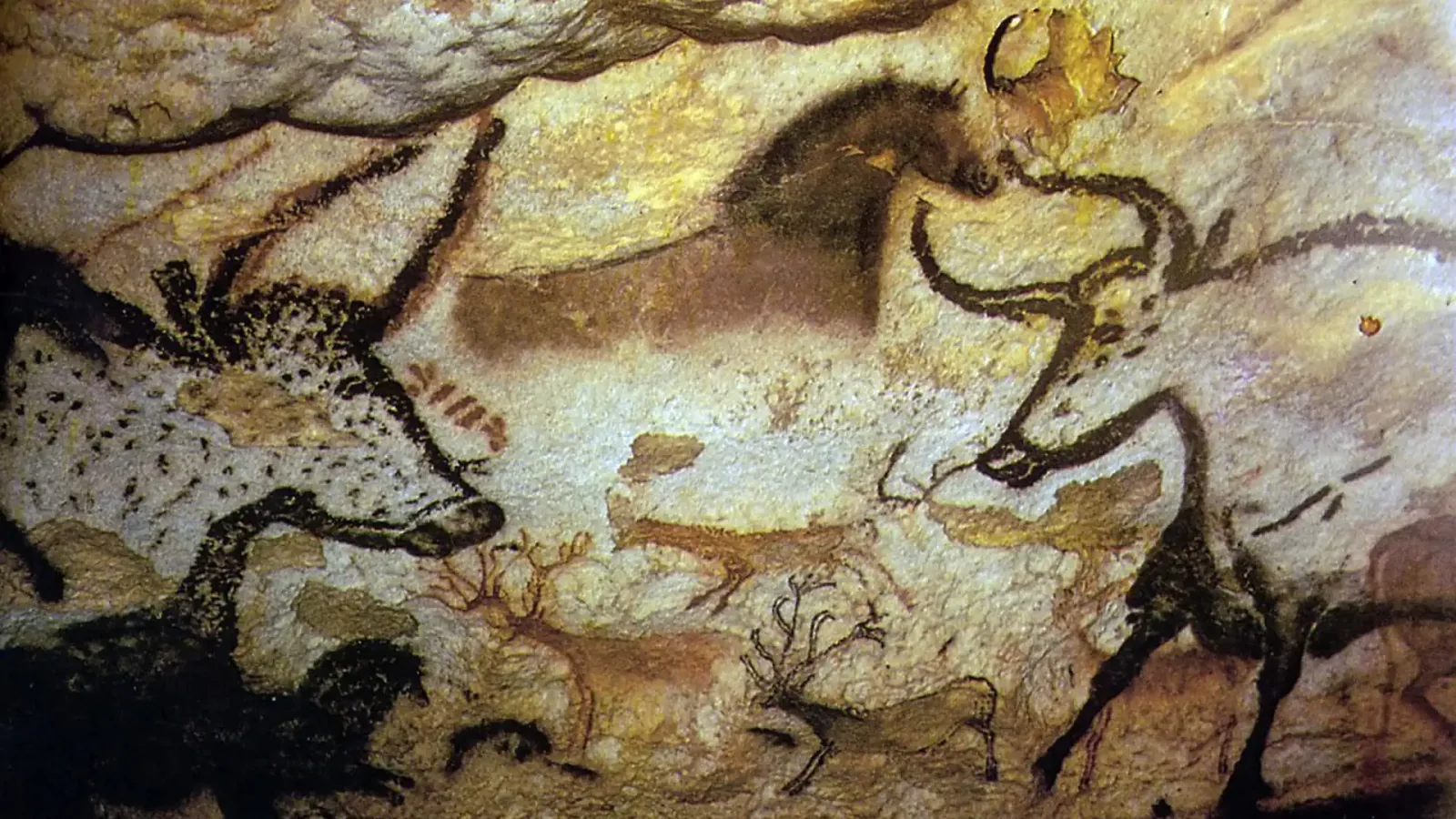
In a landmark discovery, an international team of scientists has recovered ancient human DNA directly from cave wall art, marking the first time genetic material has been extracted from such a medium. The finding, published in Nature Communications, opens up a new frontier in understanding prehistoric human behavior by suggesting that cave walls can serve as an archive of genetic traces left by those who touched, painted, or interacted with them thousands of years ago.
The research involved sampling 24 rock art panels across 11 caves in Spain and Portugal. These sites featured various forms of ancient art, from simple red dots and hand stencils to the renowned bison imagery. Researchers employed meticulous contamination controls, using scalpels and drills to extract minute samples of pigment or the calcite mineral crust that often forms over cave surfaces. A particularly significant sample came from Escoural Cave in Portugal, where a red ocher dot, sealed beneath a protective calcite layer, yielded damaged mitochondrial DNA consistent with ancient human origins. Crucially, no animal DNA was detected in this sample, leading researchers to infer that the genetic material likely originated from direct human contact, such as saliva or skin cells, rather than indirect contamination from cave sediments.
This breakthrough allows scientists to analyze not only the artistic creations of prehistoric peoples but also their physical presence and movements within these sacred spaces. Previously, such insights were primarily derived from skeletal remains or artifacts. The DNA found on the cave walls could potentially reveal who prepared the pigments, who created the art, or even who visited the caves later. While the precise age of the DNA from Escoural is yet to be determined, damage patterns suggest it could be older than the minimum 4,000 to 5,000 years indicated by the cave's sealing during the Copper Age, potentially dating back to the Upper Paleolithic era.
Expanding the Reach of Paleogenetics
Beyond the painted surfaces, the team also discovered ancient human DNA on unpainted cave walls in Escoural and Covarón Caves in Spain. Some of these samples contained animal DNA, suggesting indirect deposition through sediment or water. However, nuclear DNA from Covarón clustered with western hunter-gatherers, a known European genetic group active between approximately 16,700 and 5,200 years ago. Analysis of these unpainted samples also provided clues about the sex of individuals, with three samples appearing predominantly female-derived and one male-derived. The limited amount of nuclear DNA from the painted Escoural sample prevented a similar sex determination.
While the discovery is promising, researchers acknowledge its limitations. Only one painted rock art sample yielded verifiable ancient human DNA. Furthermore, sampling rock art remains a destructive process, even with minimal material extraction. Future research will need to compare painted and unpainted sections, investigate more pristine cave environments, and integrate DNA analysis with advanced dating techniques, such as uranium-thorium analysis of mineral crusts. As Enrico Cappellini, a paleogeneticist at the University of Copenhagen not involved in the study, noted, "This pioneering study expands the boundaries of palaeogenetics by proving that ancient human DNA can persist on cave walls for thousands of years." He cautioned, however, that "authentic ancient human DNA was successfully recovered from only a few of the many rock art paintings sampled across the sites."
The ability to extract DNA from cave walls adds a significant new tool to the archaeologist's arsenal, complementing existing methods that analyze cave sediments and artifacts. While cave floors can reveal patterns of occupation and tools offer clues to their use, cave walls may now unlock secrets about prehistoric movement, ritualistic behaviors, and the identities of the people who reached, painted, and revisited these subterranean galleries. If this method can be refined, it could help reconstruct detailed social maps, determine gender associations with specific art panels, and even shed light on debates about whether art was created by Homo sapiens, Neanderthals, or both. "This is not just about rock art," emphasized study co-author Hipólito Collado Giraldo, an archaeologist for Spain’s Extremadura region. "It’s about understanding how people used caves and where they left their marks." The potential to connect genetic traces with specific locations within caves offers an unprecedented glimpse into the lives of our distant ancestors, fundamentally altering our understanding of prehistoric art and human behavior.