
Asteroid 2026 JH2: Watch Giant Space Rock's Close Earth Flyby Live
An asteroid roughly the size of a basketball court, designated 2026 JH2, will pass Earth closely on May 18, 2026. Stargazers can watch the event live online.

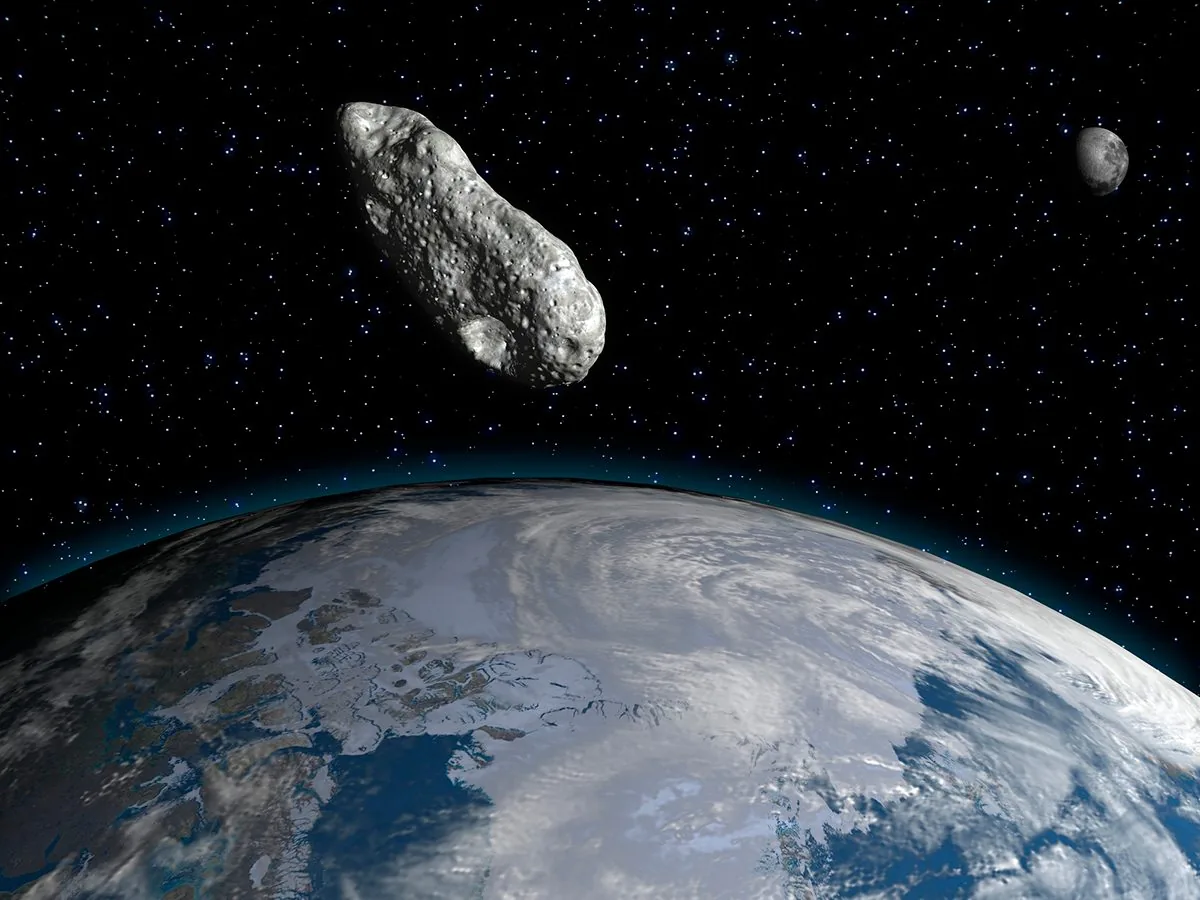
An enormous asteroid, approximately the size of a professional basketball court, is set to make a remarkably close pass by Earth on the evening of May 18, 2026. The space rock, identified as asteroid 2026 JH2, will approach our planet at a distance significantly nearer than the Moon. While technically observable with small telescopes for viewers in the Northern Hemisphere shortly after sunset, its low position in the sky will present a viewing challenge.
Astronomers have confirmed that there is absolutely no risk of asteroid 2026 JH2 colliding with Earth. However, the impending close encounter has generated considerable excitement among many astronomers and stargazers, particularly due to the fleeting possibility of visual observation.
Live Online Viewing Options
For those unable to witness the celestial event directly through a telescope, or who simply prefer an online experience, a livestream will be available. This broadcast will provide live views of asteroid 2026 JH2 precisely during its closest approach to Earth. The Virtual Telescope Project, a notable organization dedicated to public astronomy, has been tracking the asteroid and captured an image on May 16, 2026. This image showcases the asteroid against the backdrop of trailing stars, a common effect in long-exposure photography used to track celestial objects.
The Virtual Telescope Project is scheduled to begin their livestream of asteroid 2026 JH2's close flyby on May 18, 2026, commencing at 19:45 UTC. This event offers a unique opportunity for the public to engage with space science and witness a rare astronomical phenomenon from their own homes, regardless of location or equipment access.
The phenomenon of near-Earth asteroids, such as 2026 JH2, underscores the dynamic nature of our solar system. While the vast majority of these space rocks pose no threat, continuous monitoring and study are crucial for planetary defense. Organizations like NASA and others globally dedicate significant resources to cataloging asteroids, calculating their trajectories, and assessing potential impacts years or even decades in advance. This particular asteroid's close passage serves as a reminder of the countless celestial bodies sharing our cosmic neighborhood and the ongoing efforts to understand and safeguard our planet.