
August Skies: Partial Lunar Eclipse, Perseids Meteor Shower, and Planets
August promises a celestial spectacle in the Northern Hemisphere, featuring a near-total lunar eclipse, the peak of the Perseids meteor shower, and visible planets.

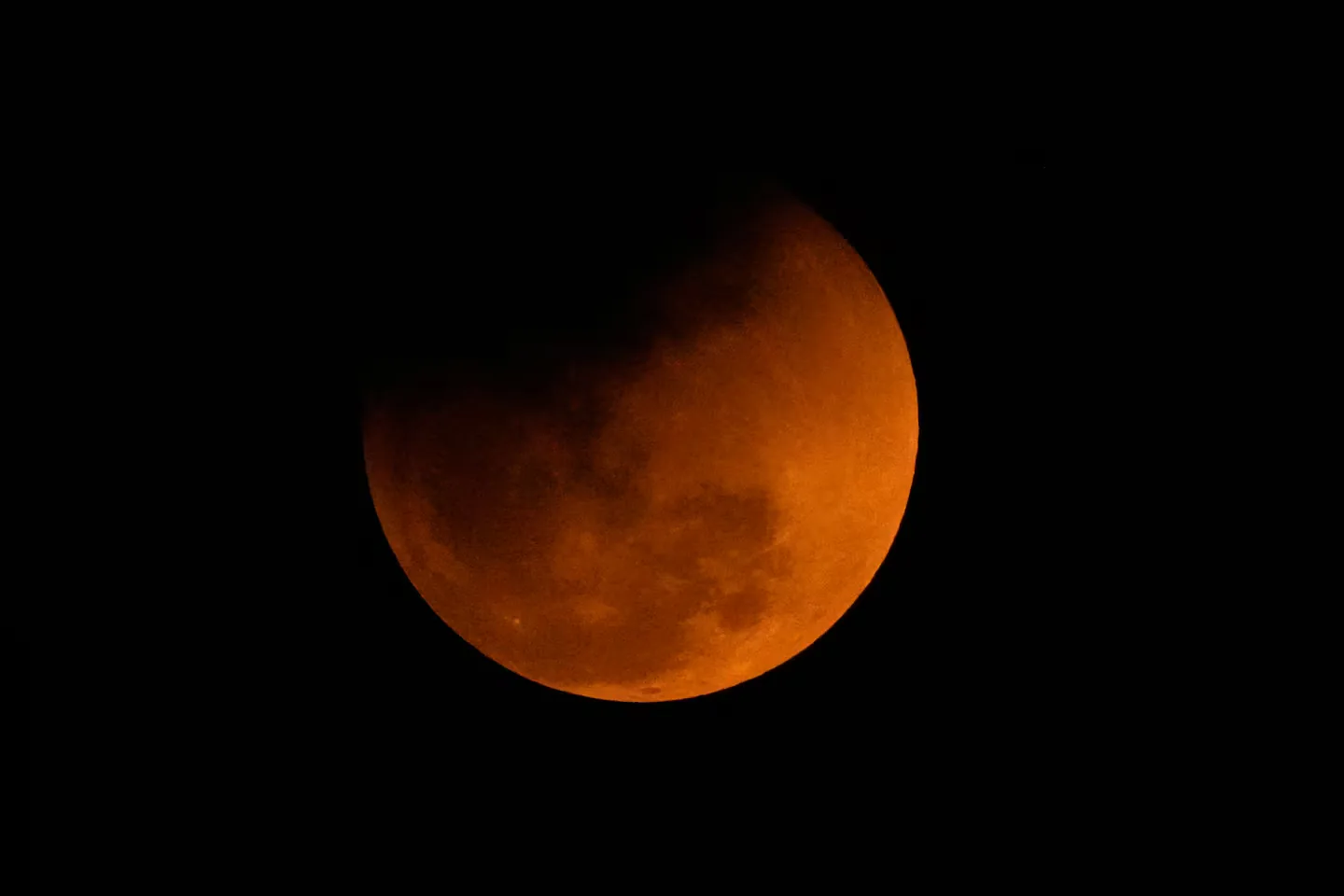
August will offer a captivating celestial display for skywatchers across the Northern Hemisphere, highlighted by a deep partial lunar eclipse, the peak of the annual Perseids meteor shower, and prominent planetary visibility. The month begins with the ongoing Perseids, expected to reach their zenith on August 12th, coinciding with a new moon that will provide ideal dark skies for observing up to 100 meteors per hour. Staff astronomer Francine Jackson of Brown University's Ladd Observatory noted the ease of viewing, stating, “Many watch this one more than any other because it’s easy to lie on the grass, or on a chaise lounge, without worrying about dressing up like for an Arctic expedition.”
While a total solar eclipse will sweep across the Arctic, Greenland, Iceland, and northern Spain on August 12th, North American viewers will experience a minor partial event. Southern New England, for instance, will see approximately 14 percent of the solar eclipse, beginning around 1:02 p.m. EDT. Jackson cautioned that extreme caution is necessary, emphasizing, “This cannot be observed with the naked eye. You must have eye protection to view it.”
Celestial Events Take Center Stage
The month's astronomical highlight for many in North America will be the deep partial lunar eclipse occurring on the night of August 27th into the early morning of August 28th. During this event, an estimated 96 percent of the Moon's face will pass through Earth's dark inner shadow, the umbra, potentially casting a reddish hue, often called a 'blood moon.' The lunar eclipse will begin its entry into the umbra at 10:33 p.m. EDT, with maximum coverage occurring just after midnight at 12:12 a.m. on August 28th, before exiting the umbra by 1:52 a.m. This celestial alignment coincides with the Sturgeon Moon, August's full moon, which peaks at 12:18 a.m. ET on the same night.
Beyond these major events, August offers ongoing planetary viewing opportunities. Venus will dominate the western evening sky after sunset throughout the month, shining brightly. Jupiter, having sunk lower in the sky alongside Venus, will soon become obscured by the sun's glare, preparing to reappear in the morning sky in September. For early risers, Mars will maintain its faint reddish tint low in the eastern sky before dawn, while Saturn will rise progressively earlier each night, becoming visible before midnight by the month's end. Observers with clear skies and minimal light pollution may even glimpse Saturn's distinctive rings.
Contextually, August's astronomical offerings serve as a bridge between regular yearly phenomena and rarer occurrences. The Perseids meteor shower and predictable planetary movements are annual events, offering reliable stargazing opportunities. However, eclipses, such as the notable solar event crossing Europe and the significant partial lunar eclipse visible from North America, are less frequent. The upcoming partial lunar eclipse, in particular, provides a chance for many to witness a dramatic celestial transformation with the naked eye, weather permitting. These events underscore the dynamic nature of our solar system and provide accessible wonders for public appreciation.