
NASA Overhauls Science Mission Selection for Faster Discovery
NASA is implementing significant changes to its science mission selection process, aiming to increase the frequency and reduce the cost of its scientific endeavors. The overhaul seeks to accelerate the pace of discovery in space.

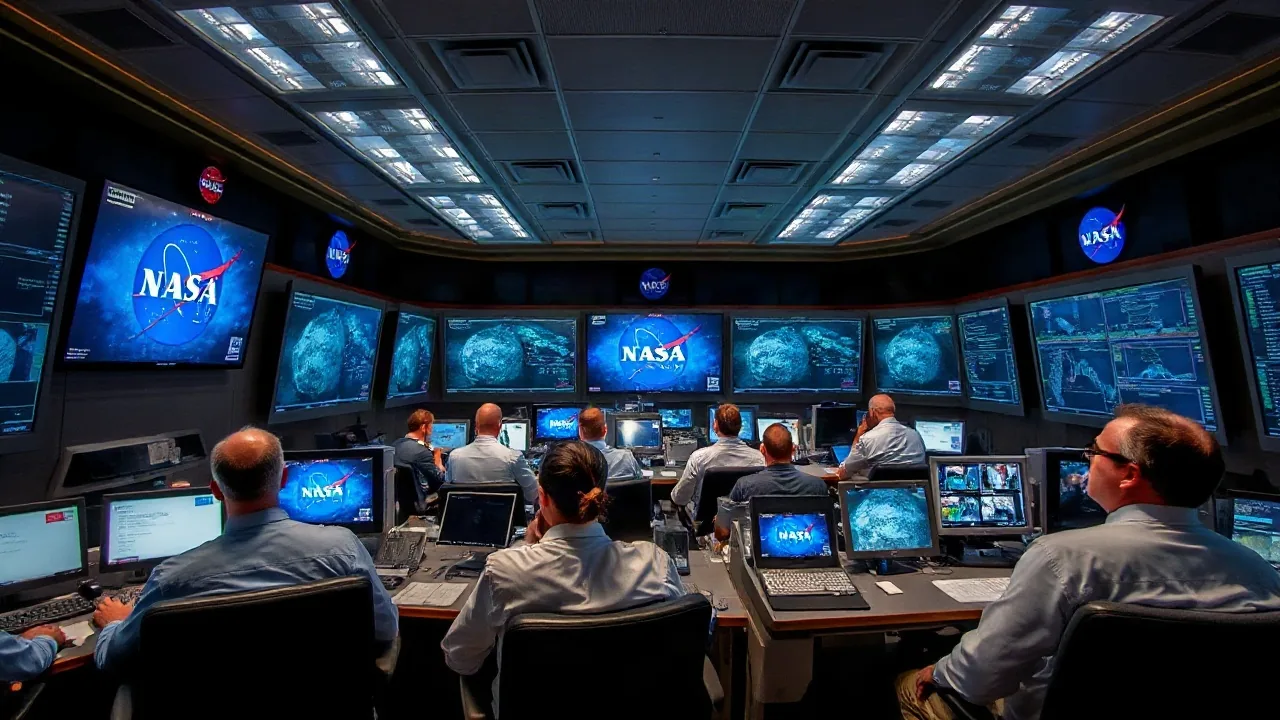
NASA is fundamentally changing how it chooses its scientific missions, a move designed to launch more projects more frequently and at a lower cost. The agency announced the overhaul in an effort to speed up scientific discovery and exploration across various fields of space science.
The current selection process, which has been in place for decades, is often criticized for being lengthy and expensive, leading to fewer missions being launched. The new approach, detailed in a letter to the science community and discussed at a recent town hall, aims to streamline the process from initial concept to final selection. NASA officials believe these changes will enable the agency to pursue a broader range of scientific questions and maintain a more consistent cadence of missions.
Accelerating the Pace of Discovery
Historically, NASA's science mission selection has involved a rigorous, multi-phase review process. This has often resulted in missions taking many years, sometimes over a decade, to move from conception to launch, with costs escalating significantly along the way. The agency is now looking to implement a more agile and efficient system. This includes potentially dividing large, complex missions into smaller, more manageable components, and encouraging innovation in mission design and technology development.
"We are seeking to establish a cadence of more missions, more often," stated Thomas Zurbuchen, Associate Administrator for the Science Mission Directorate, in a previous communication regarding the initiative. "This new approach is critical to exploring the universe and understanding our place within it." The goal is to make the selection process more competitive and adaptable to new scientific findings and technological advancements. This revised strategy is expected to foster greater diversity in the types of science that NASA can pursue, from astrophysics and planetary science to heliophysics and Earth observation.
One of the key objectives of the overhaul is to reduce the financial burden associated with mission development. By encouraging the use of more standardized platforms and fostering a culture of cost-consciousness from the outset, NASA hopes to bring down the overall expense of its scientific programs. This could allow for more missions to be funded within existing budget constraints, or potentially enable the pursuit of more ambitious scientific objectives. The agency is also exploring ways to leverage commercial partnerships and international collaborations more effectively to share costs and expertise.
The implementation of these changes is expected to be gradual, with new guidelines and evaluation criteria being rolled out over the coming months. NASA is committed to working closely with the scientific community throughout this transition, ensuring that the revised process remains robust, transparent, and continues to select the most scientifically compelling investigations. The agency is particularly focused on ensuring that early-career scientists have opportunities within this new framework, fostering the next generation of space explorers and researchers.