
Blue Origin Advances Reusable Rockets for Space Tourism
Blue Origin is accelerating its development of reusable rocket technology and suborbital tourism flights, positioning itself as a leader in commercial space access. The company's latest milestones signal growing momentum in making space travel more frequent and affordable.

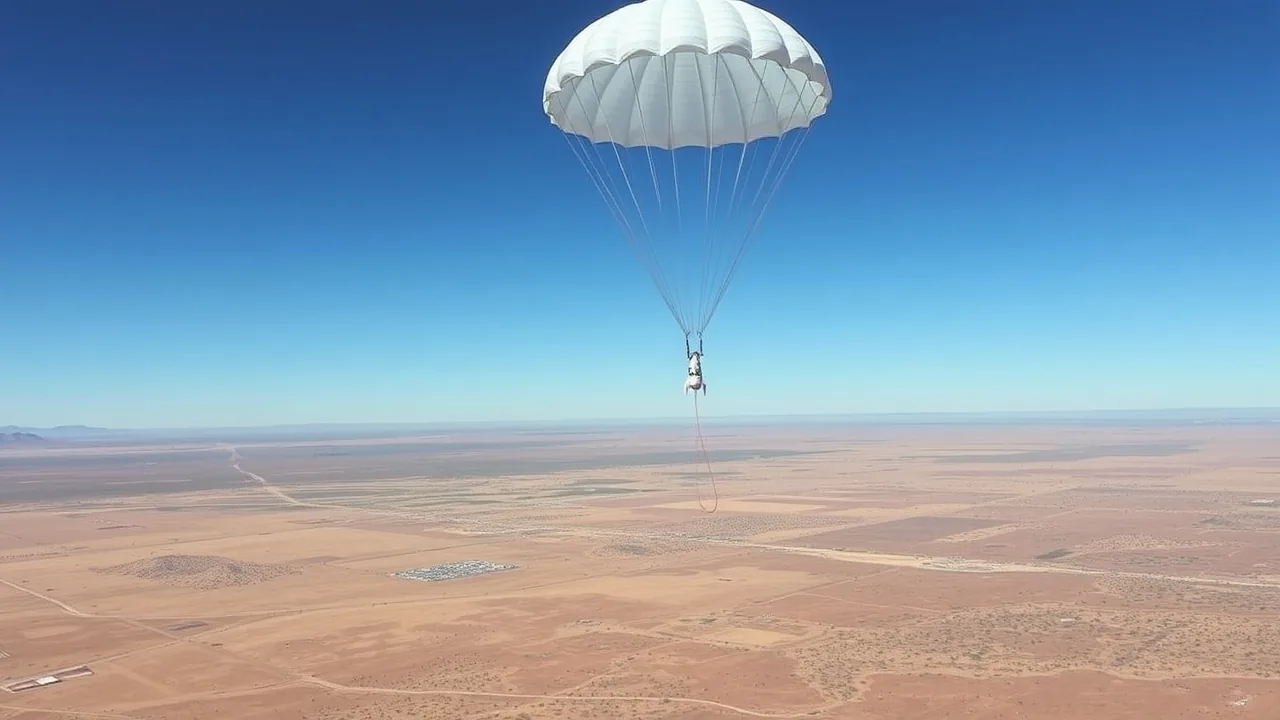
Jeff Bezos' Blue Origin conducted another successful crewed flight from its West Texas launch facility in the past week, reaffirming its position as a leading contender in the emerging space tourism market. The New Shepard vehicle carried paying passengers and research payloads to the edge of space, crossing the Karman line at 100 kilometers altitude and delivering several minutes of weightlessness before returning to Earth under parachutes.
The cadence of these flights underscores Blue Origin's strategy to normalize space access for private citizens. Since 2021, the company has completed multiple crewed missions, each designed to test operational procedures and build confidence in launch safety. The vehicle combines vertical landing with rapid turnaround capabilities, a hallmark of reusable rockets that reduce per-flight costs over time.
Blue Origin's New Glenn heavy-lift rocket remains under development at the company's operations in Florida and Texas. This orbital-class vehicle is intended to compete with SpaceX's Falcon Heavy and will serve national security and commercial customers launching satellites and deep-space probes.
The Business Model Behind Routine Space Access
Blue Origin's fundamental argument rests on a simple premise: if rockets are reusable, space becomes routine. The company has emphasized that orbital access should not require custom-built vehicles for each mission. Industry analyst Morgan Stanley estimated in 2022 that commercial space activities could reach $1 trillion in value by 2040, with launch services and tourism comprising meaningful segments of that growth.
"We're building the infrastructure for the next century of space exploration," said Ariane Cornell, Blue Origin's Senior Advisor for Astronaut Experience, in a recent statement. "Reusable rockets are not a novelty—they are the foundation of affordable, sustainable access to space."
New Shepard tickets have been priced between $250,000 and $450,000 per seat in past offerings. While premium, these prices represent a significant discount compared to earlier space tourism ventures and charter flights available through other providers. The company has sold seats to celebrity passengers, scientists, and entrepreneurs, demonstrating demand across multiple demographics.
Blue Origin's terrestrial infrastructure supports this model. The company operates launch sites in West Texas and plans additional facilities. Ground crews have demonstrated the ability to turn around New Shepard for multiple flights in a single day, a metric that industry veterans once considered impossible for human-rated vehicles.
Competing for the Future of Aerospace Innovation
Blue Origin operates in a competitive landscape shaped by SpaceX's proven Falcon 9 and Falcon Heavy platforms. SpaceX has achieved higher orbital launch cadences and currently dominates government contracts through its national security launches. However, Blue Origin's focus on suborbital tourism and vertical landing technology represents a distinct market segment with its own growth trajectory.
The company is also pursuing contracts through the National Aeronautics and Space Administration (NASA) and the Department of Defense. Blue Origin won a contract to develop a lunar lander variant for NASA's Artemis program, signaling confidence from government agencies in the company's aerospace innovation capabilities. This diversified revenue model reduces reliance on tourism alone.
Blue Origin's engine development division, Blue Engine, manufactures rocket engines including the BE-4, which powers United Launch Alliance (ULA) Atlas V and Vulcan rockets. These engines represent a significant revenue stream independent of Blue Origin's crewed vehicles. Production increases and long-term contracts with ULA provide financial stability as the company scales New Shepard and develops New Glenn.
International competitors including Virgin Galactic and emerging Chinese firms are also pursuing space tourism. Virgin Galactic's air-launch approach differs from Blue Origin's vertical takeoff model, targeting different mission profiles and customer preferences. This fragmentation of the market suggests room for multiple successful players, though each company must demonstrate consistent safety records and operational reliability.
Blue Origin has invested over $10 billion of Bezos' personal wealth into the company since its founding in 2000. This patient capital approach contrasts with venture-backed competitors and has allowed the company to develop technology without quarterly earnings pressure. The strategy reflects confidence in long-term market development and regulatory evolution favoring commercial spaceflight.
Regulatory frameworks continue to evolve. The Federal Aviation Administration (FAA) has established licensing procedures for commercial spaceports and launch providers. Blue Origin obtained its launch license for New Shepard operations and has demonstrated compliance with safety protocols. This regulatory clarity has enabled consistent flight operations and builds public confidence in commercial space ventures.
The next phase of Blue Origin's expansion hinges on New Glenn's successful development and entry into service. This orbital rocket will compete directly with established and emerging launch providers. Success in orbital operations would position Blue Origin as a vertically integrated aerospace company capable of serving government, commercial, and tourism markets simultaneously—a portfolio few companies have achieved.