
Blue Origin's Space Tourism Plans Reshape Private Aerospace in 2026
Blue Origin is expanding suborbital and orbital operations through New Shepard and New Glenn, positioning itself as a major player in commercial spaceflight. The company targets both space tourists and government missions in a competitive market.

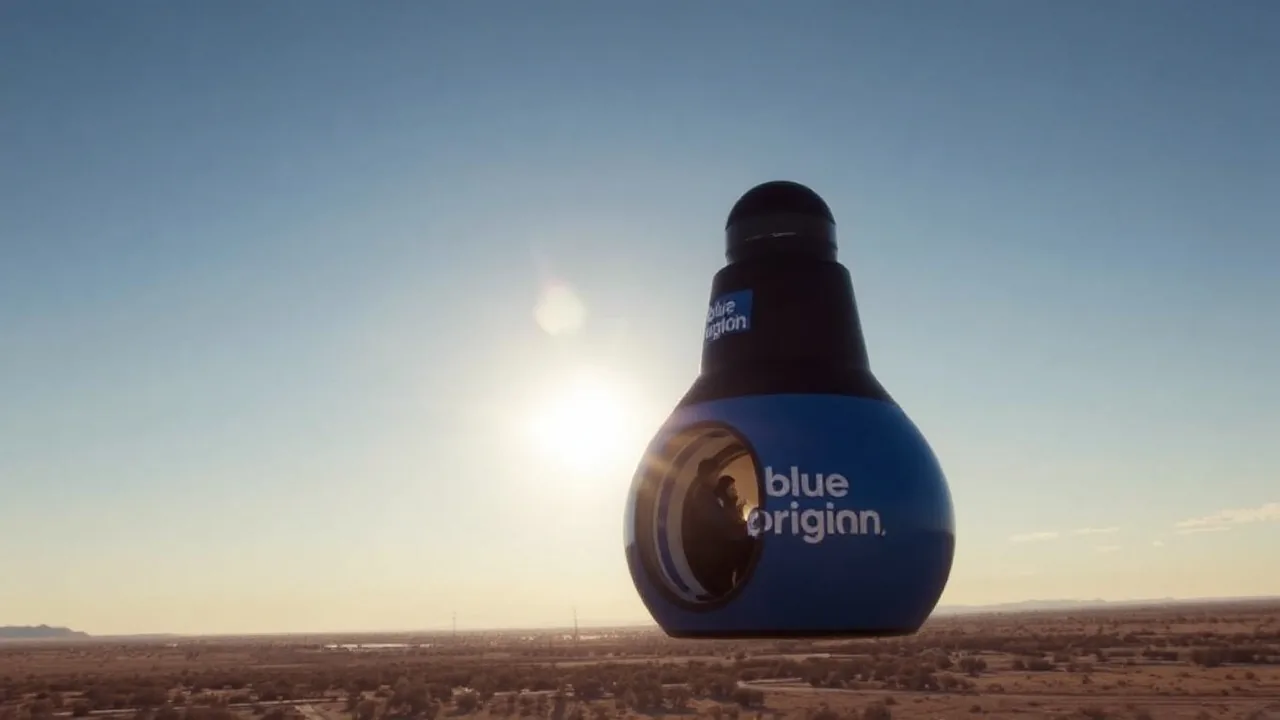
Blue Origin successfully launched its sixth crewed suborbital flight on May 19, 2026, carrying four private space tourists to the edge of the Karman Line. The West Texas-based company, founded by Jeff Bezos in 2000, continues executing its dual-track strategy: short hops for wealthy tourists aboard New Shepard and ambitious orbital missions planned with its heavy-lift New Glenn rocket.
The space tourism sector has matured considerably since Blue Origin's first crewed New Shepard flight in July 2021. Today, the company charges approximately $300,000 per seat, down from initial pricing of $250,000, reflecting broader demand and operational confidence. Each suborbital flight lasts roughly 11 minutes and provides approximately three minutes of weightlessness at apogee before returning to West Texas.
"We're seeing sustained interest from both individual space tourists and institutional clients," said a Blue Origin spokesperson in June 2026. "Our manifest extends well into 2027, and we're ramping production of New Shepard vehicles to meet demand." The company has completed 15 crewed suborbital missions overall, ferrying 60 passengers to date, including celebrities, entrepreneurs, and international space enthusiasts.
Orbital Ambitions and New Glenn
New Glenn, Blue Origin's heavy-lift launch vehicle, remains the cornerstone of its orbital strategy. Standing 348 feet tall with a payload capacity of 45 metric tons to low Earth orbit, New Glenn is designed to compete directly with SpaceX's Falcon 9 and future Starship operations. First flight was initially targeted for late 2024, but development challenges pushed the debut to 2025, with operational cadence ramping through 2026.
The rocket features a reusable first stage with engines powered by methane, a design philosophy aligning with industry trends toward propellant simplicity and cost reduction. Blue Origin has secured contracts with the U.S. Space Force's Space and Missile Systems Center for national security launches, a major validation of New Glenn's capability and reliability.
Orbital missions under New Glenn will serve three distinct markets: national defense payloads, commercial satellite operators, and deep-space exploration. The company is also developing a crewed orbital vehicle, referred to internally as Blue Shepard Extended, though public details remain limited. This platform would enable multi-day orbital stays for both government astronauts and private citizens.
Market Position and Competition
Blue Origin competes in a landscape where SpaceX dominates launch frequency with Falcon 9 and prepares to leverage Starship for heavy-lift missions. Other entrants include Axiom Space, which operates the Axiom Station modules attached to the International Space Station, and emerging providers like Relativity Space and Axiom Space Station. Each competitor targets different customer segments and mission profiles.
Space tourism revenue represents only a fraction of Blue Origin's total business model. Government contracts, satellite launch services, and investment in blue-collar space infrastructure such as orbital refueling stations generate substantially more revenue. Bezos and new CEO Kelly Ortberg, who assumed the role in 2023, have emphasized long-term sustainability over rapid cash burns common in the early 2010s space startup era.
The Federal Aviation Administration continues tightening commercial spaceflight licensing in 2026, requiring increasingly rigorous safety demonstrations and public health reviews. Blue Origin's New Shepard program has maintained a clean safety record across all 15 crewed flights, strengthening its reputation with regulators and customers alike.
Industry analysts project the global private aerospace market will exceed $500 billion by 2030, with space tourism representing $5 to $10 billion of that total. Blue Origin's investments in both suborbital and orbital capabilities position the company to capture meaningful shares across multiple segments rather than betting on a single mission type.
Looking ahead, New Glenn's operational debut and the eventual crewed orbital vehicle will define whether Blue Origin can sustain its growth trajectory. The company is hiring aggressively, with employment exceeding 15,000 across its campuses in Kent, Washington; Van Horn, Texas; and Huntsville, Alabama. Capital expenditures in 2026 alone approach $3 billion, reflecting Bezos's commitment to long-term space infrastructure despite near-term profitability pressures.
Blue Origin's role in shaping commercial spaceflight extends beyond its own missions. The company's advances in Jeff Bezos-backed propulsion, launch cadence optimization, and reusable vehicle operations inform industry standards. Whether through New Shepard's continued crewed flights or New Glenn's eventual operational success, Blue Origin remains a central actor in the privatization of space access during 2026 and beyond.