
China Cave Fossils Reveal Denisovan Life 167,000 Years Ago
New fossil discoveries in China's Bianfu Cave offer unprecedented insights into the lives of Denisovans, an extinct human relative. Finds include teeth, an arm bone, and tools dating back 167,000 years.

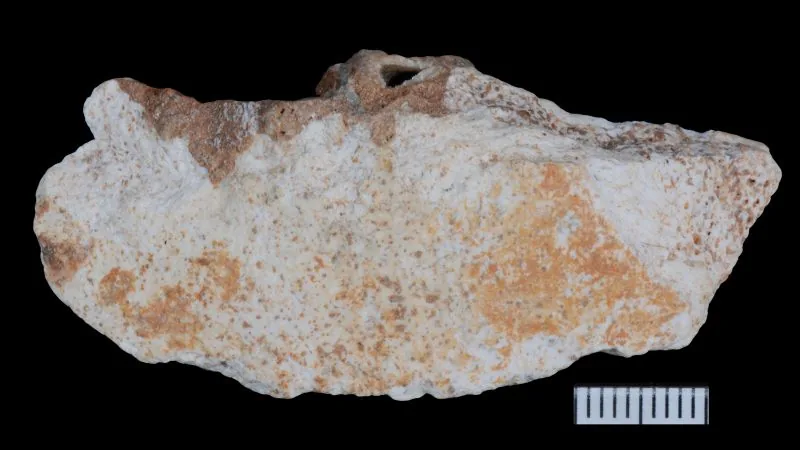
Archaeologists in China's southwestern Yunnan province have unearthed a significant collection of fossilized remains, including teeth, an arm bone fragment, and skull pieces, belonging to Denisovans, an ancient human relative. These discoveries in Bianfu Cave provide a rare glimpse into the lifestyle of these enigmatic hominins, offering insights into their diet, tool use, and environment approximately 167,000 to 134,000 years ago. The findings were detailed in two recent studies published in the journal Nature.
The seven Denisovan fossils, along with stone and bone tools, animal remains, and pollen, were recovered from Bianfu Cave. This site marks a crucial location for understanding human origins, especially as it appears to have been exclusively occupied by Denisovans for a substantial period. Previously, Denisovan fossils were scarce and often found in isolation, making it difficult to reconstruct their way of life. "We are very lucky because this is the first site in south China to have the direct association between Denisovan fossils and rich cultural remains," said Hao Li, a research professor at the Chinese Academy of Sciences’ Institute of Tibetan Plateau Research in Beijing and a coauthor of the studies. "This is very rare."
The discovery is particularly significant because it provides fossils in their original context, allowing for more reliable dating and inference about the group’s habits and behavior. Denisovans were first identified in 2010 from ancient DNA found in a finger bone in Siberia, leading to their nickname. However, piecing together their lives proved challenging due to the limited and disparate nature of previous finds, such as a skull from a well and a jawbone from the seafloor. The Bianfu Cave site offers a more complete picture, supporting the hypothesis that Denisovans lived throughout Asia and inhabited a diverse range of environments, from Siberian mountains to subtropical latitudes.
Denisovan Adaptations and Environment
Researchers meticulously examined 60,000 bone fragments from Bianfu Cave, identifying several that appeared to be hominin. While ancient DNA was not preserved in the warmer Yunnan climate, the team successfully extracted amino acid variants from some remains, confirming three bones and two teeth as Denisovan. The remaining teeth were classified based on their morphology.
One of the studies focused on the analysis of animal bones and stone tools found at the site. Evidence suggests that the Denisovans in Bianfu Cave were skilled hunters, fashioning tools from stone and bone to procure prey like water buffalo, bison-like gaur, and deer. They also extracted marrow from bones for sustenance. "The stone tool technology is stable with continuity, and the hunting strategy is continuous," Li noted, describing the tool technology as an "expedient technology" reflecting a flexible adaptation rather than simplicity.
The new fossil finds also include the first known Denisovan arm bone. While limited information can be gleaned from this fragment, its radius was short, similar to Neanderthals, and the biceps muscle insertion may have indicated greater efficiency in elbow flexion, according to paleoanthropologist Ryan McRae of the Smithsonian National Museum of Natural History, who was not involved in the research. He added, "More interesting is the site itself. It tells us about Denisovan occupation in one location over a sizable span of time while also filling in some geographical gaps in our understanding of Denisovans."
Until recently, detailed physical characteristics of Denisovans remained largely unknown. However, the 2025 discovery and subsequent research on the "Dragon Man" skull, found in Harbin, China, provided a potential face for the species and led to its proposed scientific name, Homo longi. Despite these advances, much about Denisovans, including their appearance, daily lives, and the reasons for their disappearance, remains a mystery. Yunnan, meaning "south of the clouds," is a region rich in biodiversity and likely served as a crucial crossroads for ancient hominins, potentially holding more answers about these extinct human relatives. The province has yielded other significant Stone Age finds, including rare wooden tools dating back 300,000 years, suggesting its hospitable climate and abundant resources made it an attractive environment for ancient populations.