
Enceladus Ocean Microbes: Scientists Eye Saturn Moon for Life
New research suggests microbes could thrive within the subsurface ocean of Saturn's moon Enceladus. Scientists are optimistic about detecting these potential life forms.

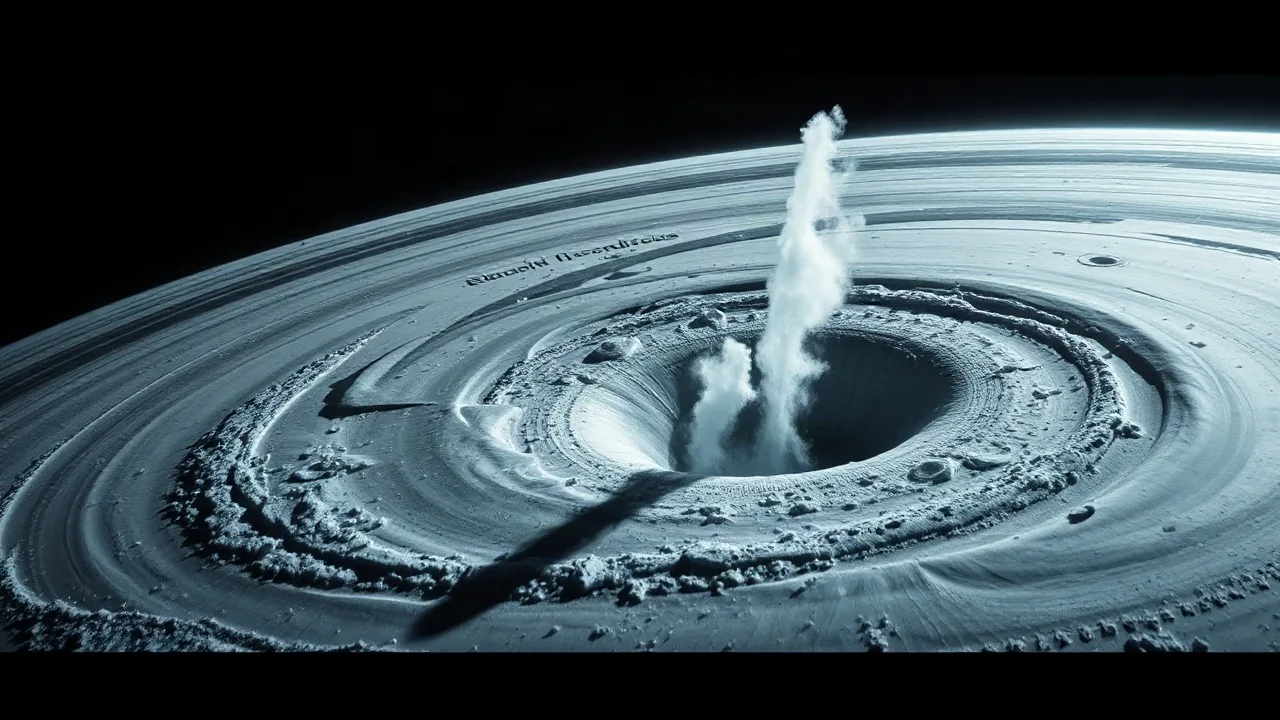
Scientists are increasingly optimistic that Saturn's icy moon Enceladus could harbor microbial life within its vast subsurface ocean. Recent studies, simulating conditions found deep beneath the moon's frozen crust, indicate that terrestrial microbes could not only survive but potentially flourish in Enceladus's watery depths. This development fuels the ongoing quest to find life beyond Earth, with Enceladus emerging as a prime candidate.
The research focused on replicating the extreme conditions of Enceladus's ocean, which is believed to be rich in salts and organic molecules. By exposing Earth-based microorganisms to these simulated environments, researchers observed their resilience and adaptability. This finding supports the hypothesis that if life exists on Enceladus, it likely shares similarities with extremophiles found in Earth's own harsh environments, such as deep-sea hydrothermal vents.
Potential for Detection
While the prospect of life on Enceladus is exciting, the next crucial step is determining how to detect it. The scientific community is exploring various mission concepts and technological advancements that could allow future spacecraft to analyze plumes erupting from Enceladus's surface. These plumes, thought to originate from the moon's ocean, offer a tantalizing opportunity to sample its contents without the need for complex drilling operations.
The Cassini spacecraft, which orbited Saturn from 2004 to 2017, provided invaluable data about Enceladus, including the composition of its plumes. Cassini's instruments detected water vapor, ice particles, salts, and organic compounds, all key ingredients for life as we know it. This data has been instrumental in shaping current astrobiological theories regarding the moon's habitability.
The ongoing analysis of Cassini's final observations continues to yield new insights. For instance, a deeper understanding of the salt grains ejected from Enceladus's ocean suggests a complex chemical environment. Scientists are now working to model how these chemical processes might support life, potentially through chemosynthesis, where organisms derive energy from chemical reactions rather than sunlight.
The search for extraterrestrial life is a monumental undertaking, pushing the boundaries of scientific exploration and technological innovation. Enceladus, with its subsurface ocean and active geysers, represents one of the most compelling targets in this endeavor. Future missions, potentially involving landers or advanced orbiters, could provide definitive answers about whether we are alone in the universe.