
NASA Questions Boeing Starliner's Future Certification for Crewed Missions
NASA's inspector general report raises significant doubts about Boeing's Starliner spacecraft ever achieving certification for human spaceflight due to ongoing technical issues and budget overruns. The future of the program remains uncertain, with limited time before the ISS decommissioning.

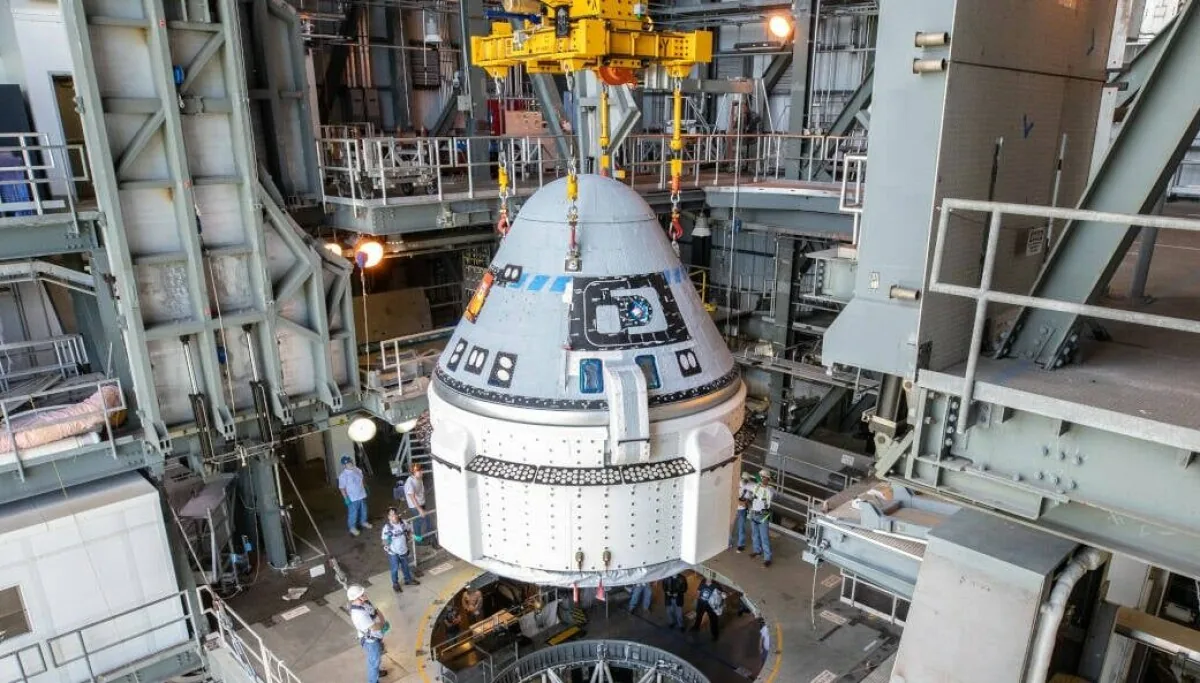
NASA's inspector general has cast significant doubt on the future of Boeing's Starliner spacecraft, questioning its ability to ever achieve certification for human spaceflight. The findings, detailed in a report released Tuesday, scrutinize the agency's Commercial Crew Program (CCP) and highlight persistent, unresolved technical issues plaguing the Starliner capsule and its launch vehicle. With the International Space Station (ISS) slated for decommissioning in 2030, the window for Starliner to prove its worth and complete essential crewed missions is rapidly closing.
The Office of Inspector General (OIG) report specifically noted that Boeing has struggled to obtain human-rating certification for both the Starliner capsule and its Atlas V launch system. This stems from significant problems encountered during two orbital flight tests and one crewed flight test. The OIG pointed to over 11 years of investment and substantial costs, stating that NASA and Boeing have limited time and resources to derive value from their investment in Starliner before the ISS's operational life concludes.
Boeing's Starliner program has been marred by repeated failures and escalating costs. The OIG report detailed three test missions, including one with a crew, each encountering critical technical malfunctions. A software timing error caused the first test flight in 2019 to fail its orbital insertion burn, preventing it from reaching the ISS. The second orbital flight test in May 2022, delayed by issues with stuck oxidizer valves, successfully reached the ISS but still experienced thruster failures and helium leaks. Plans to launch astronauts in 2023 were again postponed due to discovered problems with the parachute system and flammability risks associated with internal wiring tape.
Ongoing Challenges and Budget Concerns
The sole crewed mission attempted by Starliner also proved problematic, leaving NASA astronauts Butch Wilmore and Suni Williams stranded aboard the ISS for an extended period due to safety concerns regarding the capsule's return capability. The OIG identified ongoing helium leaks and propulsion system failures as key unresolved issues as of March 2026, leaving NASA uncertain about when testing will conclude and human-rating certification will be achieved. These persistent problems have led the OIG to question the program's viability and the significant financial investment made.
The OIG report placed partial blame on NASA for its perceived overconfidence in Boeing's design, particularly its reliance on heritage systems, which may have led to unrealistic scheduling for launch and flight tests. Additionally, the agency's underutilization of contract data rights reportedly limited its ability to fully analyze flight simulation failures and ensure crew safety. The report also mentioned potential impacts from staffing constraints driven by past administration efforts to cut costs, which could further hinder oversight.
Specifically, the OIG questioned $127.9 million in payments to Boeing, in addition to $43 million previously questioned in a 2019 report, due to the uncertain mission outcomes. The report underscores the considerable financial commitment to a program facing substantial technical hurdles and a shrinking timeline, raising questions about the future of Boeing Starliner and its role in NASA's crewed spaceflight endeavors. The future of NASA's Commercial Crew Program, which also relies on SpaceX's Crew Dragon for ISS transport, now appears heavily dependent on resolving the Starliner's long-standing deficiencies or potentially increasing reliance on its competitor.