
NASA Stock Investment: Why Space Industry Growth Matters Now
Investors are looking for ways to tap into space exploration, but there is no direct NASA stock. Instead, aerospace contractors and space-focused companies offer the real investment path in a booming space economy.

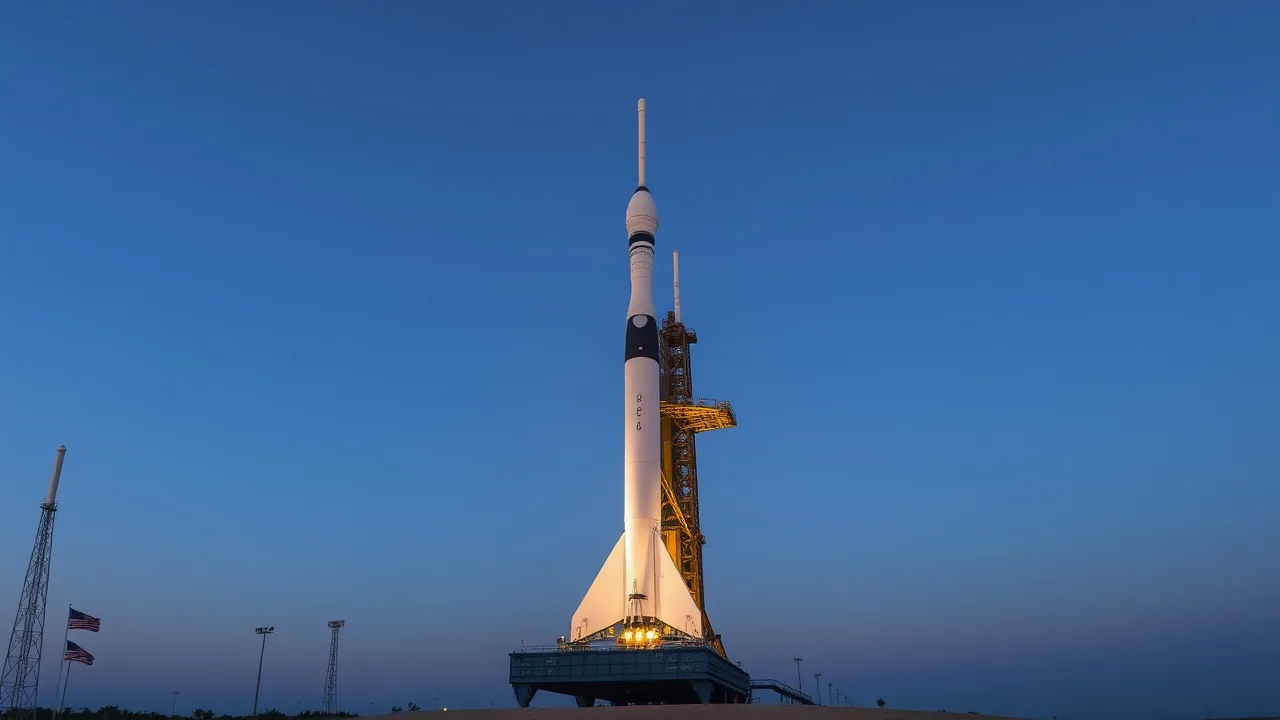
When investors search for NASA stock, they are asking the wrong question. The National Aeronautics and Space Administration, a U.S. federal agency established in 1958, does not issue publicly traded shares. Instead, the real investment opportunity lies in the private companies that contract with NASA and drive the broader space industry forward.
The confusion is understandable. NASA's annual budget has grown to $25.4 billion for fiscal 2024, and the agency has become a magnet for commercial partnerships. Through contracts worth billions of dollars each year, NASA fuels innovation and creates tangible returns for investors willing to look at the right companies.
SpaceX, Blue Origin, Axiom Space, and dozens of other aerospace firms have captured investor attention by securing NASA contracts and building the infrastructure for sustained space exploration. These companies, not NASA itself, offer the equity stakes that traders and long-term investors seek.
The Real Path to Space Investment
The largest opportunity in aerospace investment comes from the primary contractors that NASA relies on. SpaceX has become the most valuable venture-backed aerospace company, with a valuation exceeding $210 billion as of late 2024. The company operates the Falcon 9 rocket and Dragon spacecraft, both integral to NASA's mission architecture.
Blue Origin, backed by Amazon founder Jeff Bezos, has received over $10 billion in funding and holds major NASA contracts for lunar lander development and rocket engine production. Axiom Space, which is building commercial modules for the International Space Station, raised $325 million in a Series B funding round in 2023.
Beyond these high-profile startups, traditional aerospace giants also benefit from NASA funding. Lockheed Martin, Boeing, and Northrop Grumman secure multi-billion-dollar NASA contracts annually. Lockheed Martin's NASA-linked business alone generates over $4 billion in annual revenue, making it a more direct play on federal space spending.
According to Morgan Stanley aerospace analyst Kristine Liwag, "The space economy is expanding faster than most sectors, driven by both government mandates and commercial demand. NASA's shift toward public-private partnerships means investors now have more entry points than ever before."
Public-Private Partnerships Reshape the Space Sector
NASA's strategy has shifted markedly over the past 15 years. Rather than building and operating spacecraft directly, the agency now contracts with private companies through programs like Commercial Crew Program and Commercial Cargo Program. This model reduces government overhead and accelerates innovation.
The Commercial Crew Program, which began regular human spaceflight from U.S. soil in 2020 via SpaceX's Crew Dragon, represents a watershed moment. NASA pays per seat, with contracts valued at roughly $55 million per astronaut. Over the next five years, NASA expects to spend roughly $14 billion on crew transportation alone.
Investment opportunities have multiplied as NASA has expanded partnerships. The agency now funds:
- Commercial lunar lander development through multiple contractors
- Space station modules and expansion projects
- Satellite servicing and orbital infrastructure companies
- In-situ resource utilization technology for sustained moon missions
- Advanced propulsion systems and deep-space exploration vehicles
These initiatives create a ripple effect across the supply chain. Smaller companies that manufacture components, provide services, or develop software see their own valuations and revenue grow in tandem.
Why the Space Economy is Accelerating
The space economy reached $469 billion globally in 2023, according to the Space Foundation, and growth is accelerating. Within that figure, commercial space revenues jumped 17 percent year-over-year. Government spending on space, including NASA's budget, accounts for roughly one-third of the total.
Three major drivers explain this expansion. First, launch costs have plummeted. SpaceX's Falcon 9 costs roughly $60 million to $70 million per launch, versus $450 million in the space shuttle era. Lower costs open new business models, from satellite constellations to space tourism.
Second, geopolitical competition is fueling investment. The United States views space dominance as critical to national security. Congress has consistently approved NASA budget increases, and private contractors benefit from government procurement policies that favor domestic suppliers. China and other nations are investing heavily in space capabilities, spurring U.S. strategic focus.
Third, commercial demand is real and expanding. Satellite internet providers like SpaceX's Starlink now serve millions of customers. Earth observation companies sell imagery to governments and enterprises. Space manufacturing and tourism are transitioning from concepts to business reality.
For retail and institutional investors seeking exposure to this growth, the path forward is clear: look beyond the nonexistent NASA stock ticker and focus on the listed companies and private ventures that execute NASA contracts and build the future of future of space operations. The real returns will come from those who build, launch, and operate in orbit, not from government agencies that fund the mission.