
SpaceX's Falcon 9 Launches 27 Starlink Satellites from California
A SpaceX Falcon 9 rocket successfully launched 27 Starlink satellites from Vandenberg Space Force Base in California on Tuesday morning. The mission marks another step in expanding the global satellite internet constellation.

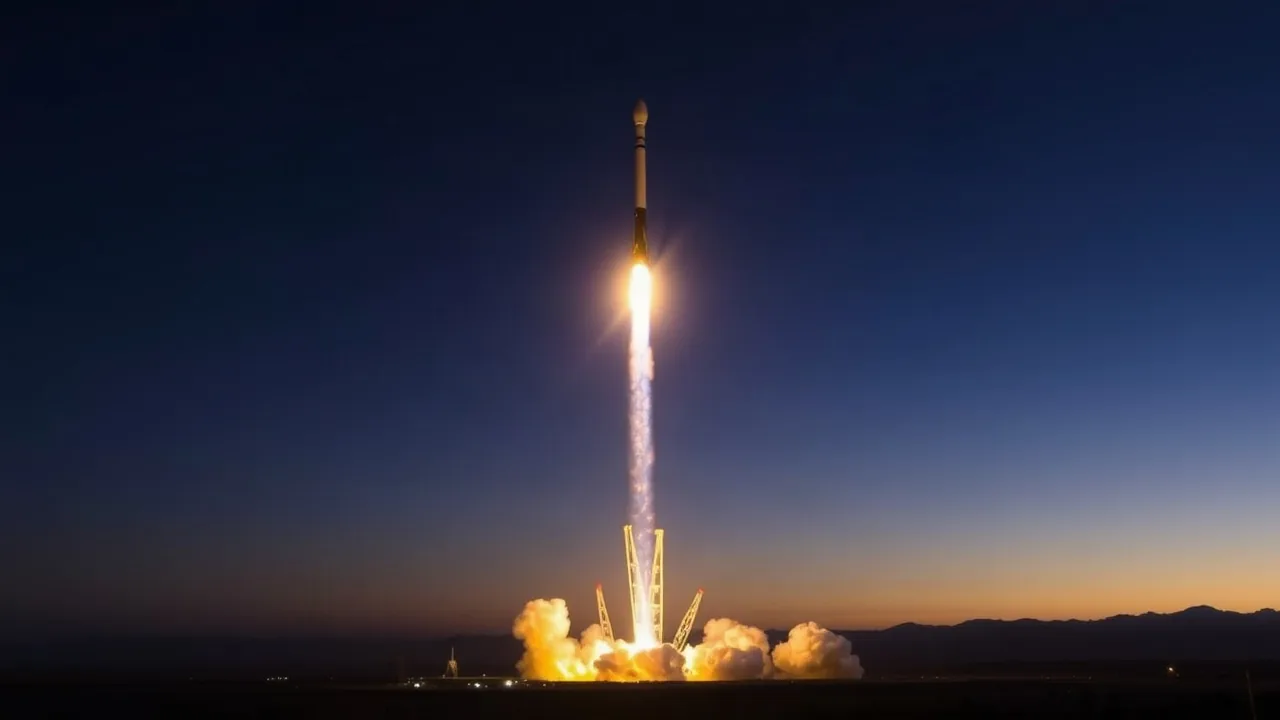
A SpaceX Falcon 9 rocket lifted off from California early Tuesday morning, carrying 27 Starlink internet satellites into orbit. The launch occurred from Vandenberg Space Force Base at 1:44 a.m. Pacific Time, adding to the rapidly growing constellation designed to provide global broadband internet coverage.
The mission, designated Starlink Group 6-41, deployed the satellites approximately 34 minutes after liftoff. This launch continues SpaceX's ambitious deployment schedule for its Starlink network, which aims to blanket the Earth with internet connectivity, particularly in underserved regions. The company has been launching Starlink satellites almost weekly this year, utilizing its reusable Falcon 9 rockets to reduce costs and increase launch cadence.
Expanding the Constellation
The Starlink project, spearheaded by entrepreneur Elon Musk's SpaceX, has been a cornerstone of the company's commercial operations. As of October 2026, the constellation comprises thousands of satellites, with ongoing launches aiming to enhance coverage, reduce latency, and increase bandwidth. The satellites operate in low Earth orbit, communicating with ground stations to relay internet signals to users equipped with Starlink dishes.
SpaceX utilizes the first stage of its Falcon 9 rocket for these launches, which then returns to Earth for vertical landings on autonomous droneships stationed in the Pacific Ocean or back on land. This reusability is a key factor in the economic viability of deploying and maintaining such a massive satellite network. The successful recovery of the booster on Tuesday's mission allows for its refurbishment and future use, further contributing to SpaceX's launch efficiency.
The growing number of satellites in orbit has also drawn attention from astronomers and other space-faring entities concerned about potential light pollution and space debris. SpaceX has stated it is working on mitigating these issues, including implementing de-orbiting procedures for satellites that reach the end of their operational life. The company also maintains a dedicated webpage tracking its Starlink launches and overall satellite count, emphasizing transparency.
This latest launch from the West Coast underscores SpaceX's commitment to its Starlink vision and its capability to execute frequent, complex missions. The deployment of these 27 satellites will contribute to the ongoing efforts to bridge the digital divide and offer competitive internet services worldwide.