
Who Owns SpaceX: The Structure Behind the Space Leader
Elon Musk holds majority control of SpaceX through a complex ownership structure involving venture capital, employee stock, and institutional investors. Understanding the company's equity breakdown reveals how the private aerospace firm operates independently from public markets.

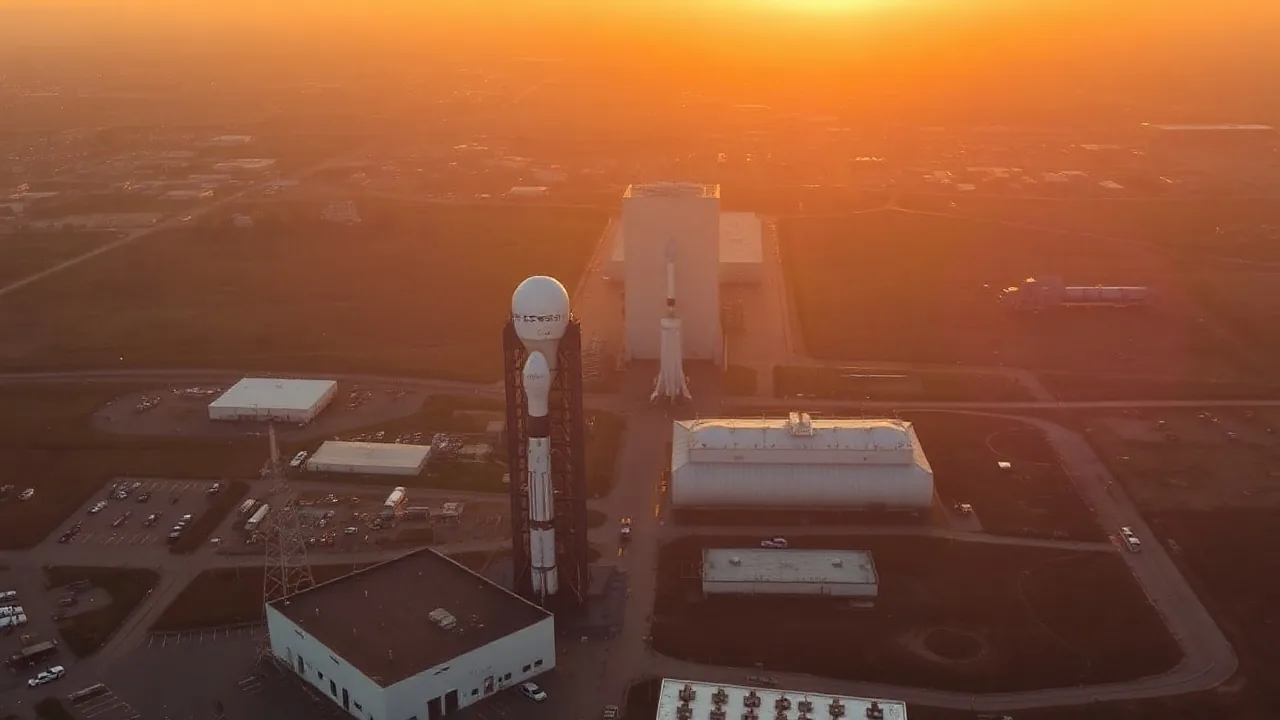
Elon Musk owns and controls SpaceX through a majority stake accumulated since founding the company in 2002, making him the primary decision-maker at the commercial spaceflight enterprise. As of June 2026, Musk's personal holdings represent roughly 54 percent of the company, a position that gives him unilateral authority over strategic direction and business operations despite pressure from other shareholders.
The ownership structure reflects decades of capital raises and strategic investments. SpaceX has completed multiple funding rounds since its inception, bringing in venture capital firms, institutional investors, and high-net-worth individuals who collectively hold the remaining equity stake. The company has never pursued a public listing, remaining private throughout its history and avoiding the disclosure requirements that come with stock market registration.
According to a 2025 equity analysis by Morgan Stanley aerospace analyst Adam Jonas, "SpaceX's private structure allows Musk to pursue long-term capital-intensive missions like Mars colonization without quarterly earnings pressure." This arrangement has proven critical to the company's ability to fund experimental launch systems and absorb the costs of repeated test failures.
Venture Capital and Institutional Holdings
Multiple venture capital firms and institutional investors have purchased stakes in SpaceX through private fundraising rounds. Sequoia Capital, one of Silicon Valley's most prominent VC firms, participated in early rounds during the company's struggle for survival in the 2008-2009 period. Google and Fidelity also took substantial minority positions, signaling confidence in the commercial space industry's long-term viability.
The most recent major fundraising event occurred in 2022, when SpaceX raised $2 billion at a $127 billion valuation. This round brought in new institutional capital and raised the stakes for existing shareholders. Other significant holders include:
- Draper Fisher Jurvetson (DFJ), an early venture backer
- Baillie Gifford, the Scottish asset manager
- Ontario Teachers' Pension Plan
- Multiple family offices and high-net-worth individuals
Employee stock ownership forms another critical ownership component. SpaceX has granted equity compensation to thousands of engineers, technicians, and managers across its facilities in Texas, Florida, California, and Washington. These holdings typically vest over four years and represent deferred wealth accumulation for workers betting on the company's future value.
Control and Strategic Implications
SpaceX's ownership structure stands apart from traditional aerospace companies like Boeing or Lockheed Martin, which answer to public shareholders. The private model enables Musk to make aggressive decisions about technology development, pricing strategy, and long-term vision without fear of hostile takeover or activist investor intervention.
Musk's voting control means he sets compensation policy, research budgets, and corporate direction unilaterally. He has used this authority to pursue vertical integration, building rockets and spacecraft in-house rather than outsourcing components. The approach contrasts sharply with traditional defense contractors who rely on distributed supply chains and subcontractor relationships.
The private aerospace model also shapes SpaceX's client relationships. The company contracts with NASA, the U.S. Space Force, and commercial satellite operators, but maintains independence from government ownership. This arrangement allows SpaceX to develop proprietary reusable rocket technology and retain commercial intellectual property, a critical advantage in the emerging space economy.
Internal decision-making reflects Musk's consolidated authority. He personally oversees engineering reviews, major contract decisions, and public communications about company direction. Critics argue this concentration creates succession risk if Musk were unavailable, while supporters contend it enables the rapid decision-making necessary for competitive advantage.
Valuation and Future Liquidity Events
The $127 billion valuation from 2022 remains the most recent public benchmark for SpaceX's worth, though the company's increased government contracts and expanded Starship testing have likely driven substantial unrealized gains. A secondary market for SpaceX shares exists through platforms like EquityZen and Forge, where employees and early investors occasionally sell stakes at valuations reaching $180 billion or higher in 2025-2026 transactions.
Speculation about a potential public offering has circulated for years, but Musk has repeatedly dismissed the prospect. In interviews throughout 2024 and 2025, he stated that going public would distract from the company's core mission of enabling Mars settlement. The absence of IPO plans means minority shareholders remain locked into private equity holdings with limited exit options beyond secondary market sales.
The business structure also enables tax and regulatory flexibility unavailable to public companies. SpaceX operates subsidiaries for different business lines, including Starlink for satellite internet and SpaceX for launch services, allowing capital allocation and financial reporting customized to each division's needs.
Understanding SpaceX's ownership hierarchy illuminates how the company has navigated the transition from startup to industry leader without the constraints of public accountability. Musk's majority control and the company's private status have created a unique entity capable of pursuing transformative but unprofitable goals while competing for lucrative government and commercial contracts. This structure will likely shape aerospace industry dynamics for decades.