
SpaceX Aims for 10-Hour Starship Orbit on Next Major Test Flight
SpaceX is preparing for Starship's most ambitious test yet, aiming for a 10-hour orbital flight. This mission will assess critical systems needed for future deep-space exploration.

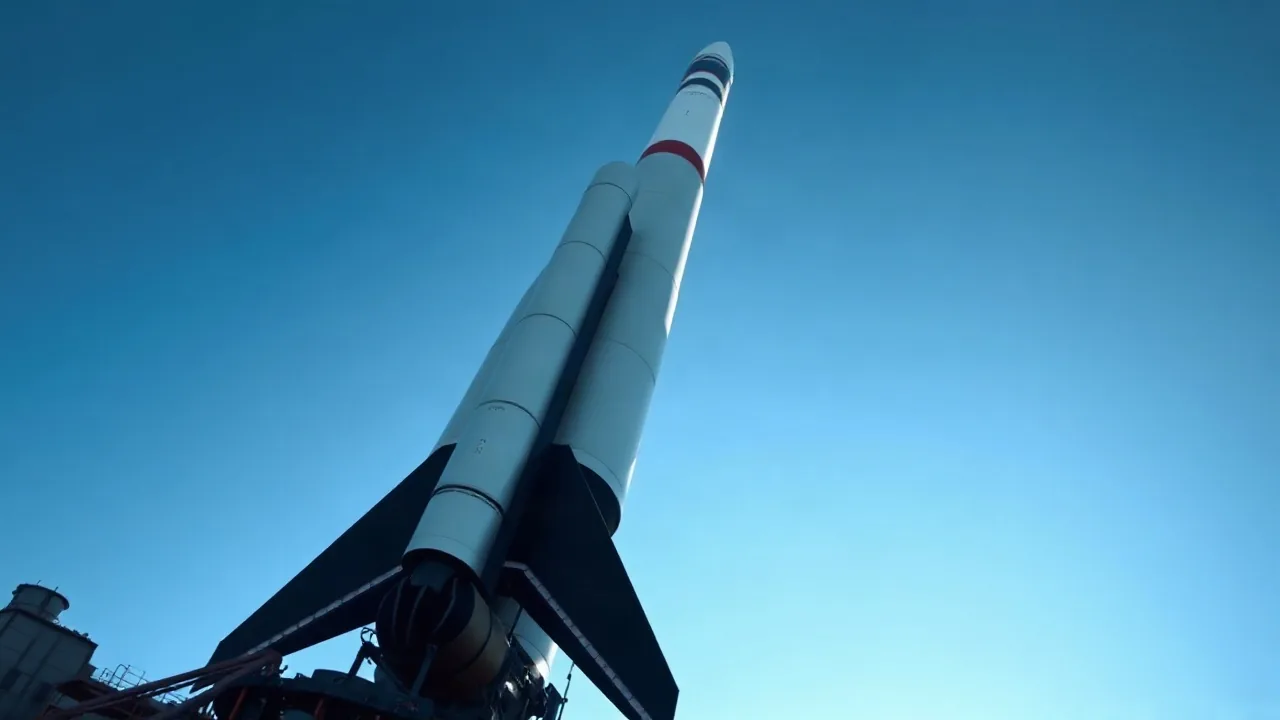
SpaceX is set to launch its colossal Starship rocket for its most extensive test flight to date, with the ambitious goal of keeping the vehicle in space for approximately 10 hours. The launch window is currently open, marking a significant step in the development of the reusable spacecraft designed for missions to the Moon, Mars, and beyond. This upcoming flight, the fourteenth integrated test of the Starship system, will push the boundaries of its capabilities, evaluating its performance during sustained orbital operations and atmospheric re-entry.
The previous tests have progressively gathered data, with earlier flights focusing on achieving orbital velocity and demonstrating controlled re-entry. This iteration aims to validate longer-duration systems and maneuvers crucial for deep-space voyages. Engineers at SpaceX will be closely monitoring a vast array of telemetry as Starship completes its journey, including orbital insertion, potential in-orbit demonstrations, and the challenging re-entry sequence over the Pacific Ocean. The success of this mission is paramount for the company's ambitious timeline for lunar missions and crewed flights to Mars.
Assessing Starship's Long-Duration Capabilities
Achieving a 10-hour flight duration is a critical milestone for Starship. It moves beyond short-duration tests to prove the reliability of its life support systems (if crewed), power generation, and thermal management under prolonged space exposure. This extended flight profile allows SpaceX to gather invaluable data on how the vehicle withstands the harsh environment of space for a significant period, information that is vital for planning crewed missions. "Each flight test is an opportunity to learn and improve," a SpaceX spokesperson stated previously, emphasizing the iterative nature of the development process. This 10-hour objective represents a substantial leap in that learning curve, moving from brief orbital milestones to sustained operational feasibility.
The Starship program, spearheaded by billionaire entrepreneur Elon Musk, has seen rapid development cycles. While previous launches have demonstrated progress, some have ended prematurely during ascent or re-entry. However, the data collected from these attempts, even the unsuccessful ones, has been instrumental in refining the design and operational procedures. This next flight aims to build upon those lessons, validating advancements made in areas such as propulsive landing capabilities for the Super Heavy booster and precise atmospheric re-entry trajectories for the Starship upper stage.
The significance of Starship extends beyond its potential for interplanetary travel. SpaceX also envisions utilizing the rocket for rapid point-to-point travel on Earth, dramatically reducing transit times between continents. Furthermore, its immense payload capacity is expected to revolutionize satellite deployment and the construction of large orbital infrastructure. The successful completion of a 10-hour orbital flight would significantly bolster confidence in these broader applications and accelerate the timeline for their realization. The eyes of the aerospace world will be on Boca Chica, Texas, as this groundbreaking vehicle embarks on its most demanding mission yet, a critical step in humanity's push toward becoming a multi-planetary species.