
SpaceX Starship Achieves New Milestones in Deep Space Mission
SpaceX's Starship program continues advancing toward interplanetary travel, with recent test flights demonstrating critical technologies for Mars missions and lunar cargo delivery.

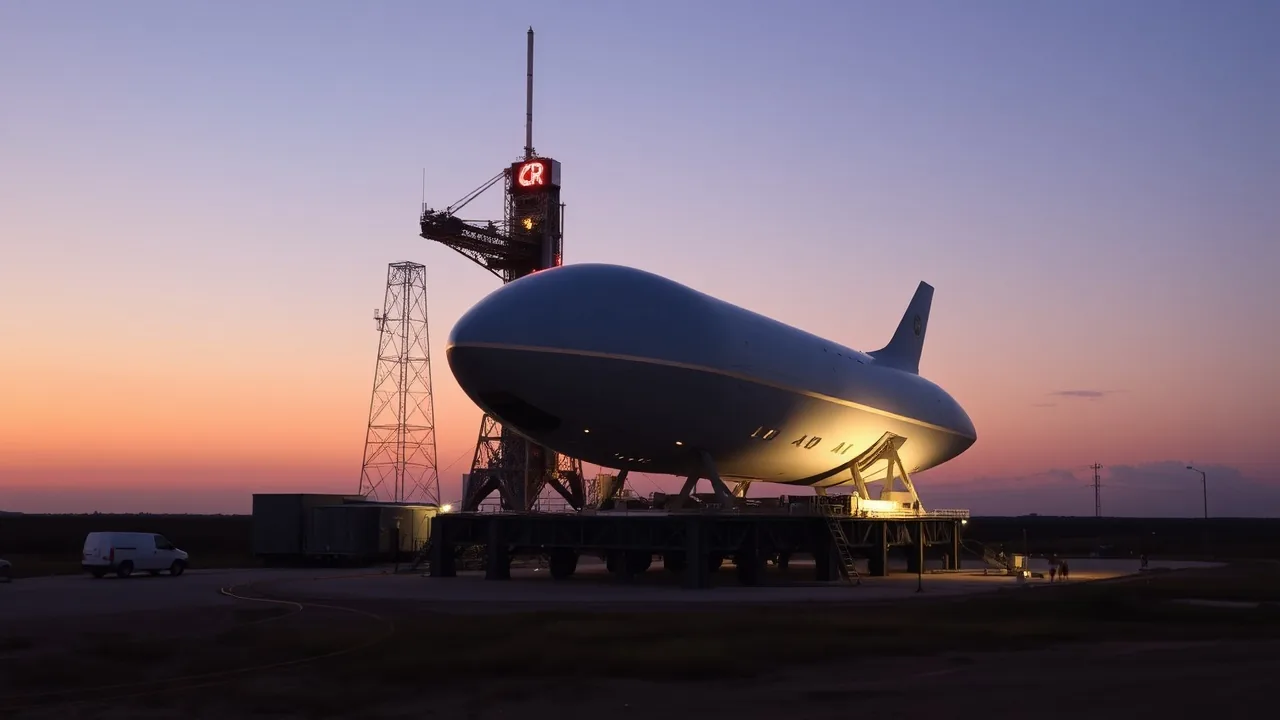
SpaceX conducted its latest integrated flight test of Starship in late 2024, moving the company closer to operational deep space missions. The fully stacked vehicle, standing 120 meters tall, performed booster catch procedures and tested upper-stage capabilities essential for reaching beyond Earth orbit.
The program represents a fundamental shift in how humanity approaches SpaceX Starship development. Unlike traditional single-use rockets, Starship is designed for complete reusability, with both its Super Heavy booster and upper stage intended for rapid turnaround launches.
"Starship is the most powerful rocket ever built, and achieving full and rapid reusability is critical for making life multiplanetary," SpaceX President Gwynne Shotwell said in October 2024, outlining the company's trajectory for the next phase of testing.
Technical Breakthroughs Driving Interplanetary Travel Forward
Recent test flights have validated several systems central to long-duration missions. The upper stage successfully demonstrated in-space engine reignition, a capability required for orbital refueling and trajectory adjustments needed for trips to Mars or the Moon.
SpaceX has installed heat-shield tiles across Starship's exterior, preparing the vehicle for atmospheric reentry at speeds exceeding 27,000 kilometers per hour. This thermal protection system must survive extreme conditions during return from deep space missions.
- Booster catch mechanisms tested with structural loads approaching flight conditions
- Upper-stage fuel transfer systems validated in zero-gravity environments
- Avionics and flight control software refined through successive test campaigns
- Landing legs strengthened to support heavier payloads during lunar missions
The progression reflects lessons learned from six integrated flight tests conducted since April 2023. Each iteration revealed engineering challenges that SpaceX engineers addressed through component redesigns and software updates.
Mars and the Role of Mars Colonization Plans
Elon Musk has positioned Starship as the foundation for establishing a sustainable human settlement on Mars. The vehicle's 250-ton payload capacity far exceeds competing launch systems, enabling transport of habitats, life support equipment, and supplies across the 54-million-kilometer journey.
NASA selected Starship as the lunar lander for its Artemis program, tasking the vehicle with delivering astronauts to the Moon's south polar region beginning in 2026. This contract, worth up to $2.9 billion, represents formal validation of Starship's capabilities for space exploration missions.
Multiple Starships will operate in concert to establish Mars base camps. Four spacecraft would be required for a typical mission architecture, two carrying 150 tons of cargo each and two transporting crew, according to SpaceX presentations from 2023. Orbital refueling permits Starship to reach Mars with full payload, a critical advantage for colonization timelines.
The company has not announced specific dates for crewed Mars launches, though internal planning documents suggest initial missions could occur within the 2030s. Uncrewed cargo flights are expected to precede human arrival by several years.
Reusable Rockets and Economics of Space
Starship's reusability fundamentally changes the economics of spaceflight. A single Starship vehicle could launch dozens of times over its operational life, reducing the per-kilogram cost of reaching orbit from thousands of dollars to hundreds.
Industry analysts at Morgan Stanley estimated in 2023 that full Starship reusability could lower launch costs to $10 million per flight by 2030. This price point would make space tourism, orbital manufacturing, and large-scale satellite deployments economically viable.
Current competitors, including Blue Origin's New Glenn and United Launch Alliance's Vulcan, are not designed for the same level of reusability. SpaceX's Falcon 9 has demonstrated booster reuse for years, recovering and reflying first stages more than 100 times, yet Starship aims to extend this capability to the upper stage.
Recovery of the Starship booster occurs at the launch site within minutes of separation, minimizing refurbishment time. The upper stage lands on water or land after completing its mission, with nets positioned to catch the vehicle mid-air during test campaigns.
Challenges Ahead for Aerospace Innovation
Despite progress, Starship faces regulatory and technical hurdles. The Federal Aviation Administration has imposed restrictions on Starship launches from the Texas coastal facility, limiting flights to address wildlife and environmental concerns. SpaceX submitted enhanced environmental mitigation plans in late 2024 to address these constraints.
Starship's raptor engines, three of which power the upper stage, operate at among the highest pressures of any rocket engine. Reliability at this scale remains unproven across dozens of consecutive flights. Ground testing at SpaceX's Boca Chica facility continues validating engine durability and performance margins.
Orbital refueling infrastructure does not yet exist. SpaceX must develop tanker variants of Starship and demonstrate reliable propellant transfer in orbit before the vehicle can unlock its maximum range potential. Ground-based testing of fluid management systems is ongoing.
International competition adds pressure to accelerate timelines. China is developing its own heavy-lift vehicles, and other nations are investing in lunar exploration programs. SpaceX's schedule for Starship operational status will influence broader space industry trajectories and commercial opportunities for years to come.