
SpaceX Starship Orbital Flight Carries High Stakes for Future Space Travel
SpaceX is preparing for the first full orbital flight test of its Starship rocket system. The ambitious mission carries significant implications for the company's future and the broader space industry.

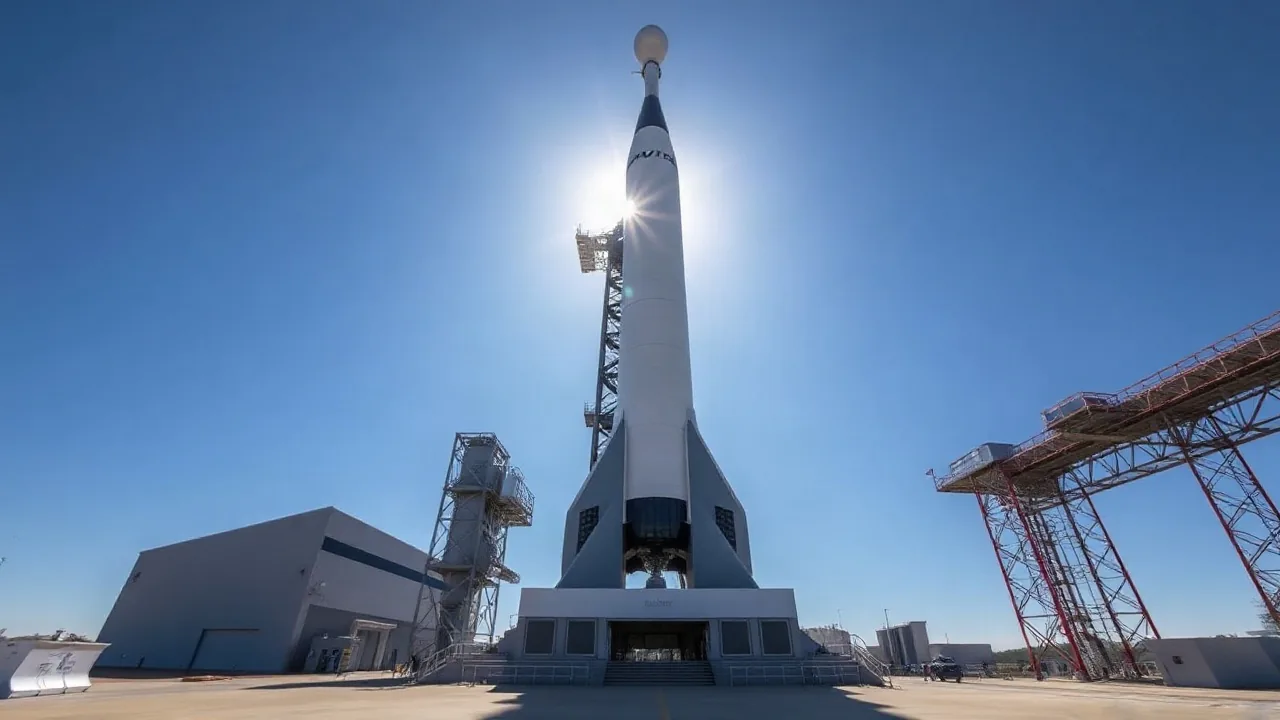
SpaceX is poised to conduct the first-ever full orbital flight test of its colossal Starship rocket system from its Starbase facility in Boca Chica, Texas. This milestone mission, slated for September 27, 2026, represents a critical juncture for the Elon Musk-led company, with immense technological and financial stakes riding on its success. The Starship program aims to revolutionize space transportation, enabling ambitious projects like lunar colonization and Mars missions.
The combined Starship and Super Heavy booster stack stands taller than the Statue of Liberty, representing the most powerful launch vehicle ever developed. Previous test flights have focused on suborbital trajectories and system integration, with varying degrees of success. This latest attempt is designed to push the entire vehicle, including its upper stage Starship, into orbit for the first time, followed by a controlled descent and splashdown in the Pacific Ocean. SpaceX engineers have implemented numerous upgrades based on data from prior tests, focusing on propulsion, structural integrity, and flight control systems.
Testing Advanced Propulsion and Reusability
A primary objective of this mission is to validate the performance of Starship's advanced Raptor engines during sustained orbital burn. The vehicle's design hinges on complete reusability, a capability SpaceX believes is essential for making interplanetary travel economically viable. The Super Heavy booster is intended to return to Earth and land vertically shortly after separation, while the Starship upper stage will continue its journey to orbit. Both components are designed to be refurbished and relaunched, drastically reducing the cost of space access.
"This is a pivotal moment for us," stated a SpaceX spokesperson in a pre-launch briefing. "Every test flight provides invaluable data. We've incorporated lessons learned from previous flights to enhance performance and reliability. Success today isn't just about reaching orbit; it's about paving the way for routine access to space and ultimately, humanity becoming a multi-planetary species."
The Starship program is not without its challenges. The sheer scale of the vehicle and the complexity of its systems present significant engineering hurdles. Successful orbital insertion and recovery of both stages would mark a monumental achievement, potentially accelerating timelines for NASA's Artemis program, which envisions using Starship as a lunar lander, and private ventures aiming for orbital tourism and asteroid mining. Conversely, failure could lead to significant delays and require a costly redesign of certain components. The regulatory landscape also presents ongoing considerations, with agencies like the Federal Aviation Administration monitoring launches closely for safety and environmental impact.
The broader implications extend beyond SpaceX. The success of Starship could signal a new era of heavy-lift capability, enabling larger satellite constellations, ambitious scientific missions, and potentially, the construction of large orbital infrastructure. It also intensifies competition within the burgeoning private space sector, driving innovation and pushing established players to adapt. As the world watches this unprecedented launch attempt, the future of space exploration, and perhaps even humanity's reach beyond Earth, hangs in the balance.