
Yellowstone Lake Sediments Show 15,000 Years of Fire and Geothermal Activity
New research analyzing sediment cores from Yellowstone Lake has uncovered a detailed 15,000-year history of the region's hydrothermal activity and wildfire patterns, offering insights into long-term ecosystem dynamics.

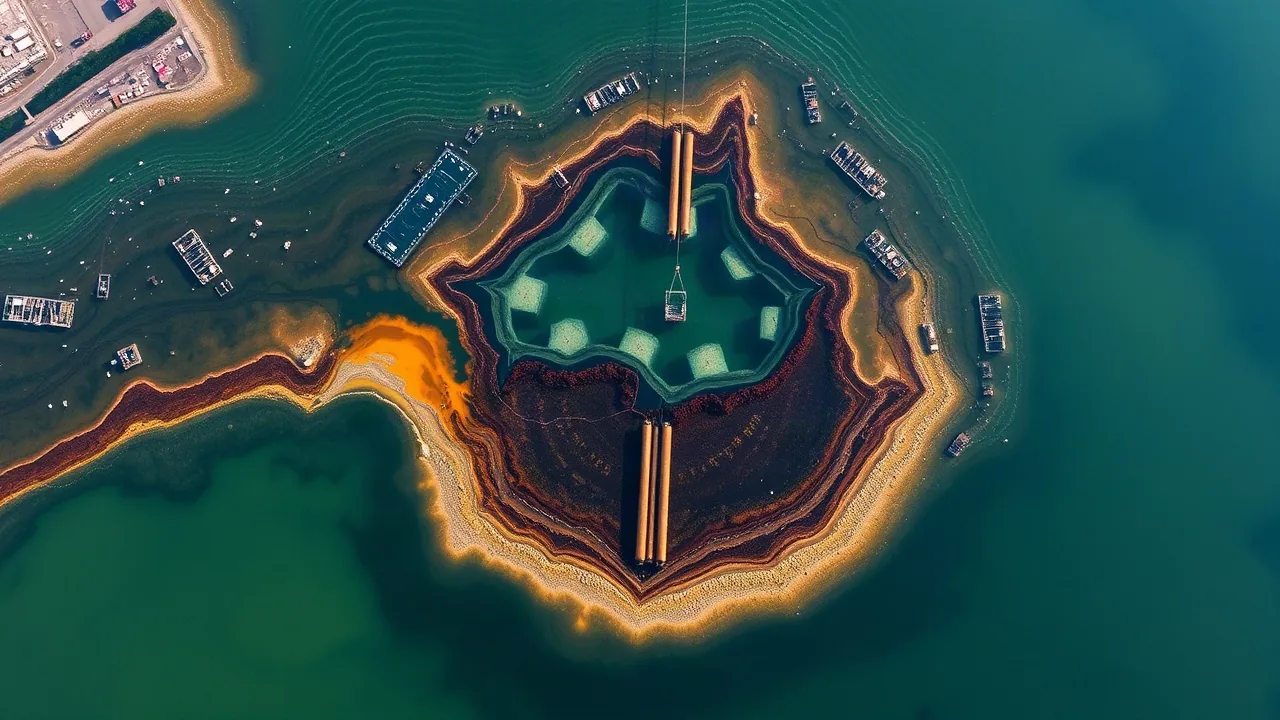
Scientists have unearthed a remarkable 15,000-year chronicle of geological and ecological events locked within the sediments of Yellowstone Lake, a key feature of the iconic Yellowstone National Park. The study, published in the journal Geology, utilized sediment cores to reconstruct a detailed timeline of past hydrothermal activity, including volcanic eruptions and geyser cycles, alongside patterns of wildfire occurrences across the surrounding landscape.
The research team, led by Dr. Anya Sharma of the University of Colorado Boulder, extracted sediment cores from various depths within the lakebed. These layers act as archives, preserving microscopic evidence of environmental conditions over millennia. By analyzing the composition of these layers—including ash deposits, charcoal fragments, and specific mineral content—researchers could identify distinct periods of intense geothermal events and significant wildfire seasons.
This deep dive into the past provides crucial data for understanding the long-term stability and behavior of the Yellowstone Caldera system. "These sediments are like a high-resolution historical record," explained Dr. Sharma. "They allow us to see how frequently and intensely major events like large wildfires and significant shifts in hydrothermal activity have occurred over thousands of years, providing a baseline against which we can compare current trends."
Understanding Yellowstone's Dynamic Past
The findings indicate that the region has experienced substantial variability in both hydrothermal processes and wildfire regimes throughout the Holocene epoch. Periods of heightened geothermal activity, evidenced by specific mineral signatures and increased sedimentation rates, often correlated with increased wildfire frequency. This suggests a complex interplay between subsurface heat flow and surface vegetation cover, where geothermal features might influence moisture levels and fuel availability.
For instance, the study identified several distinct ash layers, directly attributable to past volcanic eruptions within the Yellowstone supervolcano system, some of which date back over 10,000 years. Alongside these volcanic markers, the presence of widespread charcoal fragments painted a picture of recurring, and at times devastating, wildfires that swept through the lodgepole pine forests characteristic of the area. The research highlights that large, landscape-altering fires were not uncommon in the region's distant past, even before significant human influence.
The context provided by this ancient record is invaluable for modern park management and broader scientific understanding of large volcanic and geothermal systems. It helps scientists refine models predicting future activity and potential hazards associated with the Yellowstone supervolcano. Furthermore, understanding the natural cycles of wildfire and recovery in such an ecosystem offers insights into ecological resilience and the long-term impacts of climate change on forest health and biodiversity.
The Yellowstone Lake sediments analysis represents a significant advancement in paleoenvironmental reconstruction for this geologically active region. It underscores that the dramatic landscapes and powerful natural forces observed in Yellowstone today are part of a much longer, dynamic history. Future research will likely focus on refining the dating of these events and correlating them with other paleoclimate records to gain an even more comprehensive understanding of how this unique ecosystem has evolved.