
DeepMind Unveils Magic Pointer for Intuitive AI Interaction
Google's DeepMind has introduced "Magic Pointer," an AI-powered tool designed to understand context and user intent, streamlining interactions with various applications.

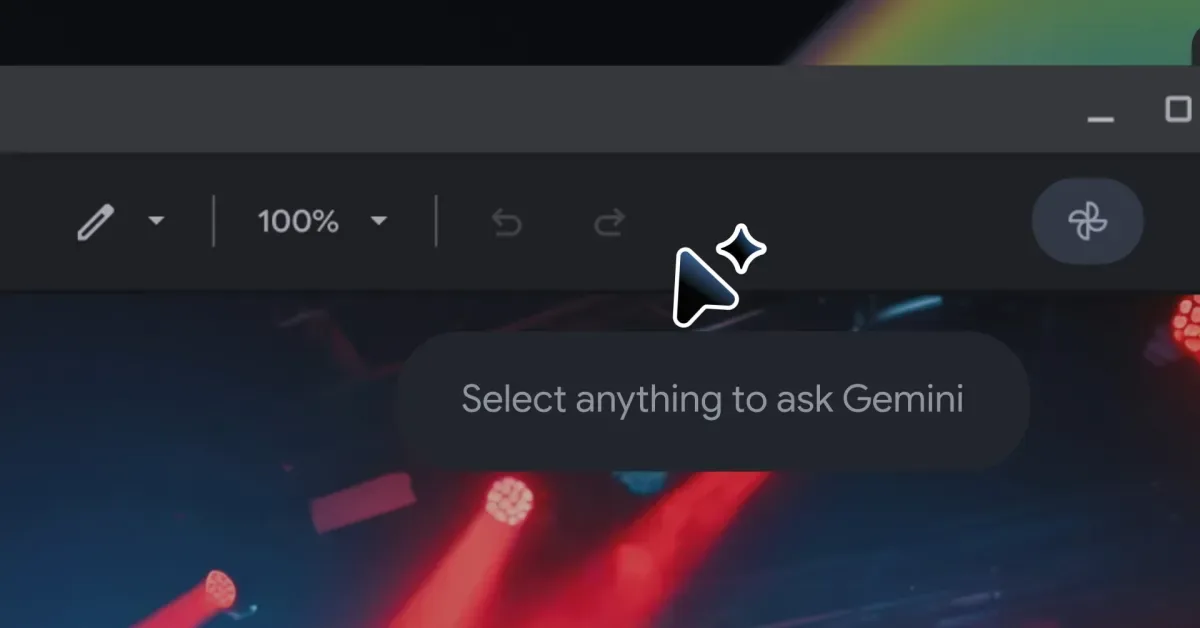
Google's DeepMind research division has detailed a new AI-enabled pointer technology called "Magic Pointer," designed to revolutionize how users interact with digital content by understanding context and user intent. The system aims to bridge the gap between AI tools and everyday applications, allowing for more intuitive and seamless command execution without disrupting user workflows.
The core concept behind Magic Pointer is to equip an AI with the ability not only to recognize what a user is pointing at but also to grasp why it's relevant to them. This addresses a common user frustration where AI tools often exist in separate windows, requiring users to manually transfer information. Instead, DeepMind envisions AI that proactively meets users within their current applications.
"Our goal is to address a common frustration: because a typical AI tool lives in its own window, users need to drag their world into it. We want the opposite: intuitive AI that meets users across all the tools they use, without interrupting their flow," a DeepMind spokesperson explained. This means users could, for instance, point at an image of a building and simply request "Show me directions," with the AI understanding the context and fulfilling the request without further input.
The technology aims to replace cumbersome, text-heavy prompts with simpler, more natural interactions. By capturing visual and semantic context around the pointer, the AI can effectively "see" and comprehend what is important to the user. This integration of context, pointing, and potentially speech allows for complex requests to be made using natural shorthand.
AI-Powered Interaction Examples
DeepMind has demonstrated several practical applications for the Magic Pointer. Users could theoretically point to a PDF document and ask for a bullet-point summary that can be directly pasted into an email. Another example involves hovering over a table of statistics and requesting it be converted into a pie chart. Highlighting a recipe might prompt the AI to automatically double all the ingredients upon request. In one compelling demo, a paused frame from a travel video could be used to generate a booking link for a restaurant featured in the scene.
Google has made two AI-enabled pointer demos available for users to try in AI Studio: one for editing images and another for finding places on a map. Furthermore, the company announced that this capability will soon be integrated into Gemini within the Chrome browser. This upcoming feature will allow users to interact with webpages by pointing to specific elements and asking Gemini questions or making requests related to that part of the page.
The integration with Gemini in Chrome promises to offer new ways to engage with online content. Users might be able to select multiple products on an e-commerce page and ask Gemini to compare them, or use the pointer to visualize where a new piece of furniture, like a couch, would fit within a room depicted on a webpage. This advancement signifies a significant step towards more integrated and context-aware artificial intelligence.