
2011 Tsunami Caused Fish Hybridization, But Species Limits Persisted
A study found that the 2011 Japanese tsunami led to temporary hybridization in stickleback fish populations. However, genetic analysis revealed that species boundaries largely reasserted themselves.

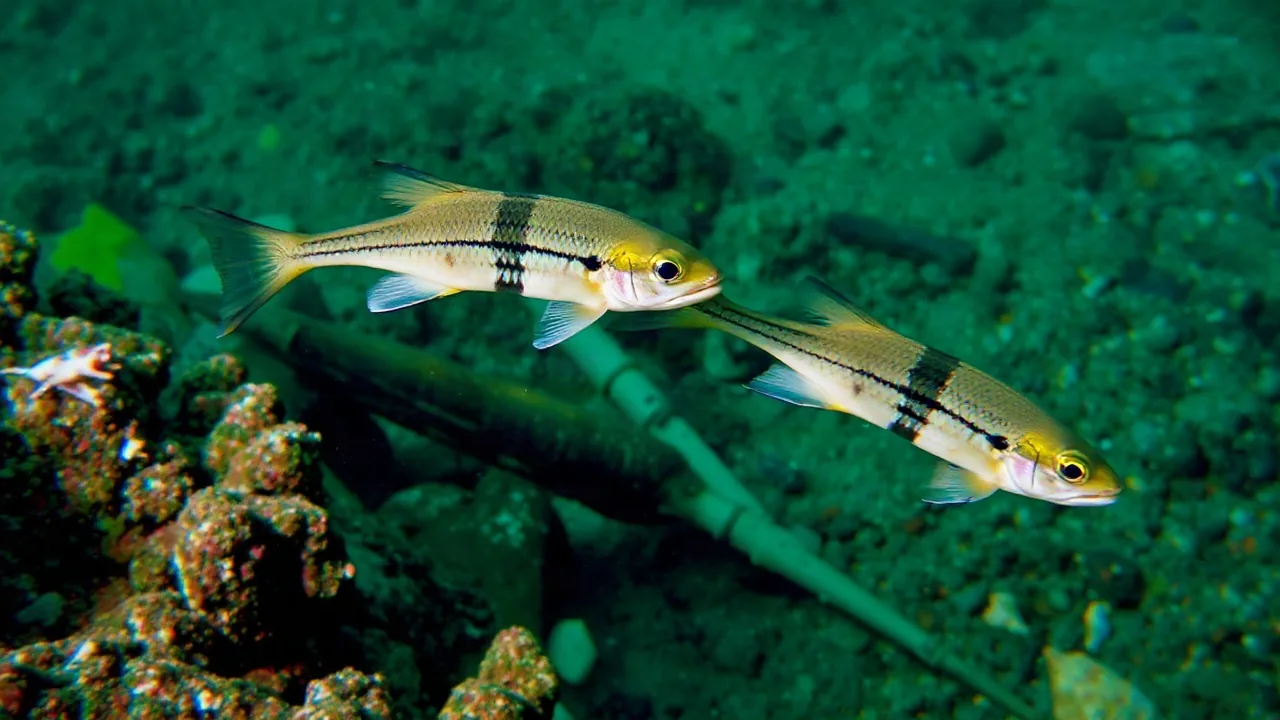
The devastating 2011 Great East Japan Earthquake and subsequent tsunami triggered a unique genetic event in stickleback fish populations, leading to hybridization between closely related species. However, new research published in Nature indicates that despite the initial mixing, the distinct boundaries between these species largely remained intact over time.
Scientists examined the genomes of stickleback fish from populations affected by the tsunami. The natural disaster, which caused widespread destruction along Japan's northeastern coast, created new connections between previously isolated marine and freshwater environments. This allowed different species of stickleback, particularly those inhabiting different water salinities, to come into contact and interbreed.
The study identified evidence of genome-wide purging, a process where a population rapidly sheds genetic material acquired through hybridization. This suggests a strong natural selection pressure favoring the original species' genetic makeup over the mixed genomes. While the initial hybridization events were documented, the long-term genetic stability of the distinct species proved resilient.
Genetic Resilience Amidst Environmental Upheaval
The research team, led by Dr. Masato Naka, analyzed the genetic data from hundreds of stickleback individuals. They focused on identifying regions of the genome that showed signs of introgression—the transfer of genetic material from one species to another through repeated backcrossing to a hybrid ancestor. The findings confirmed that hybridization did occur in the aftermath of the 2011 disaster, a period of significant environmental disruption.
Dr. Naka stated in a press release, "Our findings are fascinating because they show that even under extreme environmental conditions, such as those created by the massive tsunami, natural selection can rapidly reinforce existing species boundaries. The genetic integrity of the stickleback species was largely preserved."
Stickleback fish are a diverse group of small, bony fish found in various aquatic habitats across the Northern Hemisphere. They are particularly well-studied by evolutionary biologists due to their rapid adaptation to different environments, often leading to the formation of distinct ecotypes or species. This adaptability, however, also means they can sometimes hybridize when opportunities arise.
The 2011 tsunami not only reshaped coastlines but also temporarily altered the ecological conditions for many species. The mixing of marine and freshwater habitats created an unprecedented scenario for these fish. The researchers hypothesize that the hybrid offspring may have faced fitness disadvantages in either the purely marine or purely freshwater environments, leading to the strong selective pressure that favored the original species' genetic lines.
This event provides a valuable case study in evolutionary biology, demonstrating the interplay between environmental catastrophes and genetic processes. It highlights that while natural disasters can create opportunities for genetic exchange, the inherent genetic differences and selective pressures that define species can be remarkably robust, reasserting themselves even after significant disturbance. The study offers insights into the mechanisms that maintain biodiversity in the face of rapid environmental change.